
Across the U.S., a growing number of small businesses are moving out of garages, spare bedrooms, and storage units into micro warehouse space. The shift is not just about square footage. It is about having a place where a business can actually operate.
Micro warehouse space fills the gap between self storage and traditional industrial space. It gives small businesses a private, functional unit where they can store inventory, use equipment, and run day to day operations.
In commercial real estate, this type of space is often referred to as micro bay or small bay industrial. Micro warehouse space is typically the smallest format of flex warehouse space, combining storage and active workspace in a single unit.
This guide explains what micro warehouse space is, why it is growing, and which types of businesses are using it.
What Is Micro Warehouse Space?
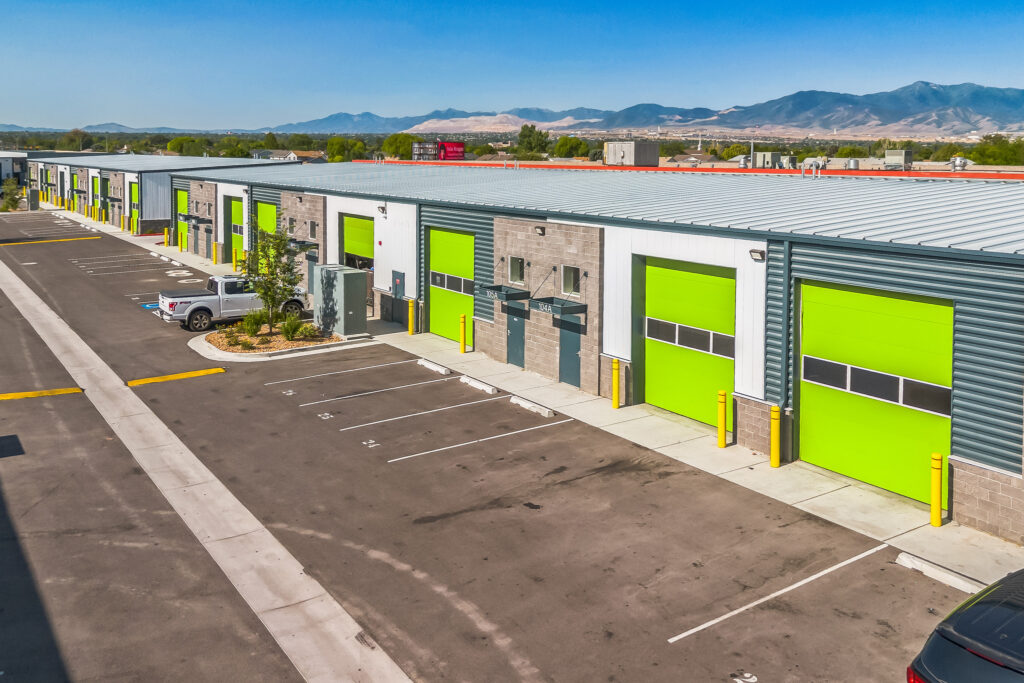
Micro warehouse space is a small, private industrial unit designed for active business use. These units are self contained, include drive up access, and are zoned for light industrial use, which allows businesses to operate legally inside the space.
Most micro warehouse units fall within the smaller end of the small bay industrial category. Depending on the market, they are often well under 5,000 square feet and are used by businesses that need workspace, not just storage.
The defining physical features are:
- Private unit with dedicated access
- Drive up roll up door for vehicles and deliveries
- Concrete floors built for equipment and materials
- Commercial electrical capacity
- Zoned for light industrial use
This is what separates micro warehouse space from self storage, which only allows passive storage, and from traditional industrial space, which typically requires larger footprints and long term commitments.
At its core, micro warehouse space gives small businesses something they cannot get at home or in storage: a place to operate.



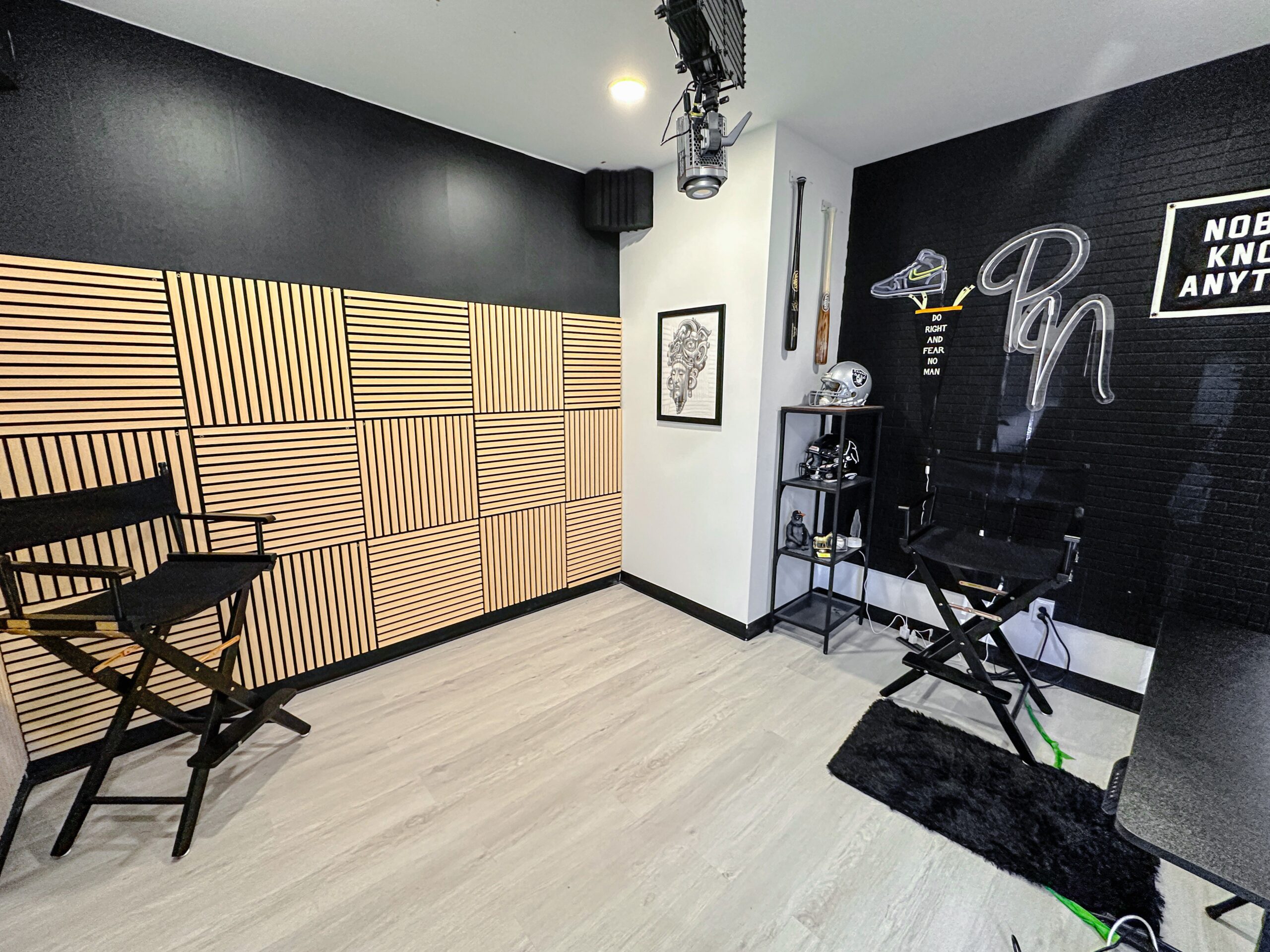

WorkBay Tenant Spaces
What Is Micro Bay Space?
Micro bay space is the term more commonly used in commercial real estate to describe the same type of small industrial unit.
Micro bay industrial typically refers to units under 5,000 square feet within multi tenant industrial buildings. These units are designed for small operators who need a combination of storage and active workspace.
In practice, micro warehouse space and micro bay space often describe the same product. The difference is mostly in language. Business owners tend to use “micro warehouse,” while developers and brokers more often use “micro bay” or “small bay industrial.”
Understanding both terms helps when comparing options across different providers and markets.
Why Micro Warehouse Space Is Growing in 2026
Micro warehouse space is growing because small businesses need commercial space that matches how they actually operate.
Ecommerce growth
As online sales increase, small sellers quickly outgrow spare bedrooms and garages. Receiving inventory, storing products, and managing returns requires dedicated space.
Trades operating at higher volume
Contractors are carrying more tools, materials, and equipment than before. A garage or vehicle is not designed to support daily operations at scale, especially when zoning and insurance are considered.
Uneven growth cycles
Small businesses do not grow in a straight line. Seasonal demand, project based work, and inventory fluctuations make large long term leases difficult to justify.
Zoning and legitimacy
Many home based businesses face restrictions on inventory, equipment use, and customer visits. Micro warehouse space solves this by providing pre zoned industrial space where business activity is allowed.
6 Types of Small Businesses Using Micro Warehouse Space
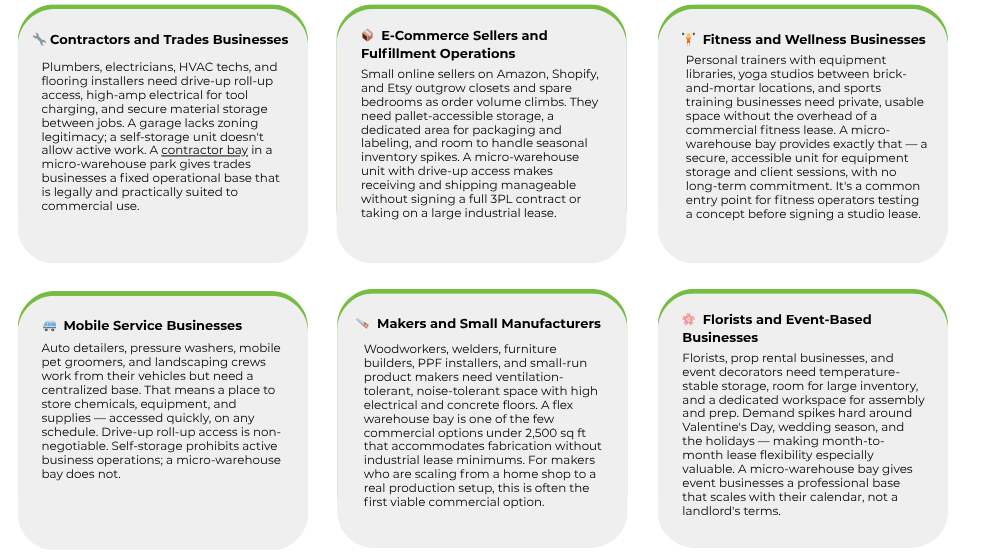
The businesses using micro warehouse space in 2026 share one common problem. They have outgrown informal space but are not ready for a full industrial lease.
Contractors and Trades Businesses
Plumbers, electricians, HVAC technicians, and flooring installers need a central base for tools, materials, and daily dispatch. Garages are not zoned for commercial use, and storage units do not allow active work. A micro warehouse unit provides drive up access, electrical capacity, and a legitimate place to operate.
E-Commerce and Direct-to-Consumer Sellers
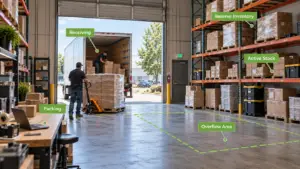
Small online sellers on platforms like Amazon, Shopify, and Etsy often hit a point where home based fulfillment no longer works. Micro warehouse space gives them room for shelving, packing stations, and receiving shipments, allowing them to run a real fulfillment operation.
Mobile Service Businesses
Auto detailers, pressure washers, and landscaping crews work from their vehicles but still need a base for equipment and supplies. Micro warehouse space provides a central location to store materials, load vehicles, and operate legally.
Makers and Small Manufacturers
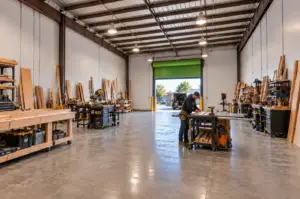
Woodworkers, fabricators, and small product makers need space that can handle tools, materials, and production. Micro warehouse units offer concrete floors, power, and fewer restrictions than most commercial spaces at this size.
Florists and Event Based Businesses
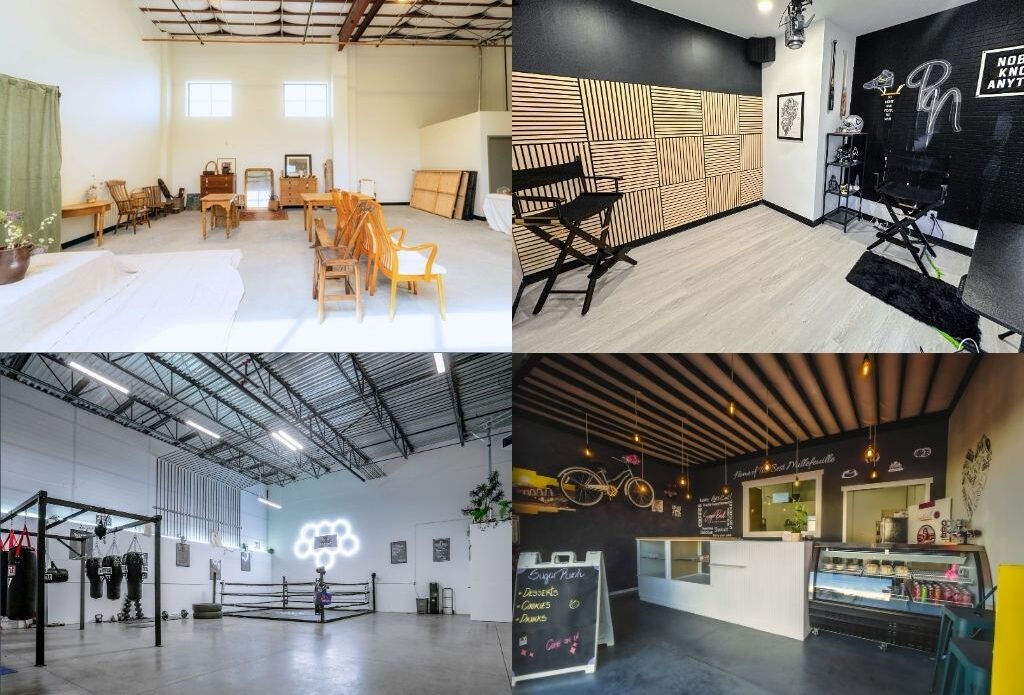
Florists and event businesses manage large, seasonal inventory and require space for preparation and storage. Micro warehouse space allows them to handle peak demand periods without committing to a large facility.
Fitness and Wellness Businesses
Independent trainers and small training operations use micro warehouse space to store equipment and run sessions. It provides a private, flexible alternative to leasing a full commercial gym space.
What to Look for in a Micro-Warehouse Unit
Five features separate a legitimate micro-warehouse unit from a self-storage unit with a roll-up door. Evaluate any prospective space against all five before signing. For a full breakdown of what’s included at WorkBay facilities, see our amenities page.
- Drive up access. A roll up door with direct vehicle access is essential for loading, receiving, and daily operations.
- Electrical capacity. Look for at least 100 amp service per unit. Many business operations require more power than residential circuits can provide.
- Pre-zoned for light industrial use. This is the defining legal difference between a micro-warehouse bay and a storage unit. Pre-zoned industrial means you can legally operate a business, store commercial inventory, and perform hands-on work, without applying for a conditional use permit. Verify this before signing.
- Lease structure. Short term options are common in this segment and better match how small businesses grow.
- Unit size range. Most businesses start between 500 and 1,500 square feet. Having the ability to scale within the same property is important.
Who Micro-Warehouse Space is Not For
Micro warehouse space is not the right fit for every business.
Businesses needing dock-high shipping. Micro-warehouse bays typically have grade-level roll-up doors, not dock-high loading bays. If your operation depends on semi-truck freight at dock height, small-bay industrial may not be the right format.
Heavy manufacturing. Units in the 500–2,500 sq ft range are designed for light industrial use — not heavy equipment, large-scale fabrication, or industrial processes that generate significant noise, emissions, or structural load. Heavy industrial is a different product category.
Retail-first businesses. If your business model depends on walk-in customer traffic, a warehouse park is not the right location. These facilities are built for operational tenants, not retail foot traffic.
Office-heavy companies. Teams that spend most of their time at a desk are better served by coworking or traditional office space. Private industrial bays are built for businesses that need the physical operational space, not just a work surface.
How WorkBay Fits the Micro Warehouse Trend
Workbay builds private industrial units designed specifically for small businesses that need the functionality of a warehouse without the size or long term commitment.
- Units from 500 to 2,500 sq ft across Utah, Arizona, Texas, and Florida
- Drive-up roll-up doors and high-power electrical in every unit
- Pre-zoned for light industrial use — active business operations permitted
- Month-to-month leases, with move-in typically in 2 to 14 days
To see current availability in your market, visit our locations page.
Find micro-warehouse space near you.
Available units in Utah, Arizona, Texas, and Florida — move-in ready in days, not months.
See Available Units →Frequently Asked Questions
Micro warehouse space refers to small, private industrial units designed for active business use. These units include drive up access, roll up doors, and zoning that allows commercial operations. They are used by businesses that need workspace, not just storage.
Pricing varies by market, size, and features. Micro warehouse space typically costs more than storage units and less than traditional industrial space because it includes commercial zoning, electrical capacity, and operational functionality.
Common users include contractors and trades businesses, ecommerce sellers, mobile service operators, makers, event businesses, and fitness operators. These businesses all need a place to operate, not just store inventory.
No. Storage units only allow passive storage. Micro warehouse space is zoned for industrial use, which allows businesses to operate, use equipment, receive deliveries, and run day to day operations.