
1. Determine What You Actually Need
Start by getting clear on how the space will be used day to day. Size matters, but square footage alone does not tell the full story. Think about your current inventory volume, how many SKUs you carry, whether you are storing tools or equipment, and whether you expect overflow within the next year. A unit that looks large enough on paper can still feel cramped once shelving, pallets, or workstations are in place.
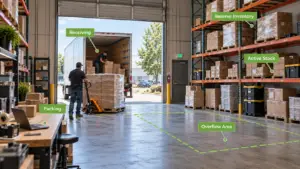
Next, map your workflow. Are you only storing inventory, or are you packing, staging, assembling, or repairing inside the unit too? Does one person work there occasionally, or is it an active operating space every day? Operational requirements matter just as much: drive up access, roll up door clearance, ceiling height for racking, and power for equipment can all determine whether a space works.
Most small businesses underestimate how much space they will need at first. Choose a unit that gives you room to operate cleanly and absorb some growth instead of moving again in a few months.
2. Choose the Right Location
Choose location based on operations, not convenience. A contractor may need a warehouse close to recurring job sites. An e-commerce business may care more about fast access to carrier routes and major roads for pickups. A service business often needs a central point within its service radius so crews can load and go efficiently.
Ask yourself where your suppliers deliver from, where your customers or jobs cluster, and which routes your team uses most often. Many people start with searches like “warehouse space for rent near me,” but those results can include everything from national aggregators to outdated listings. Use location as a filter, not the only decision factor.
A unit that is slightly farther away but has the right access, layout, and lease structure is usually a better operational fit than a closer space that creates friction every day.
3. Understand the Types of Warehouse Space Available
Not all warehouse space is the same. Understanding the main types available helps narrow the search before you start touring.
Small Warehouse Space
Private units in the 500 to 2,500 sq ft range built for small business operations. Ideal for inventory storage, staging, packing, and light work.
Flex Warehouse Space
Combines storage and active workspace in one unit. A strong fit for businesses that need to both store materials and work on site.
Traditional Industrial
Typically much larger and designed for high volume, long term operations. Usually not the right fit at the small business stage.
4. Compare Features That Matter for Your Operation
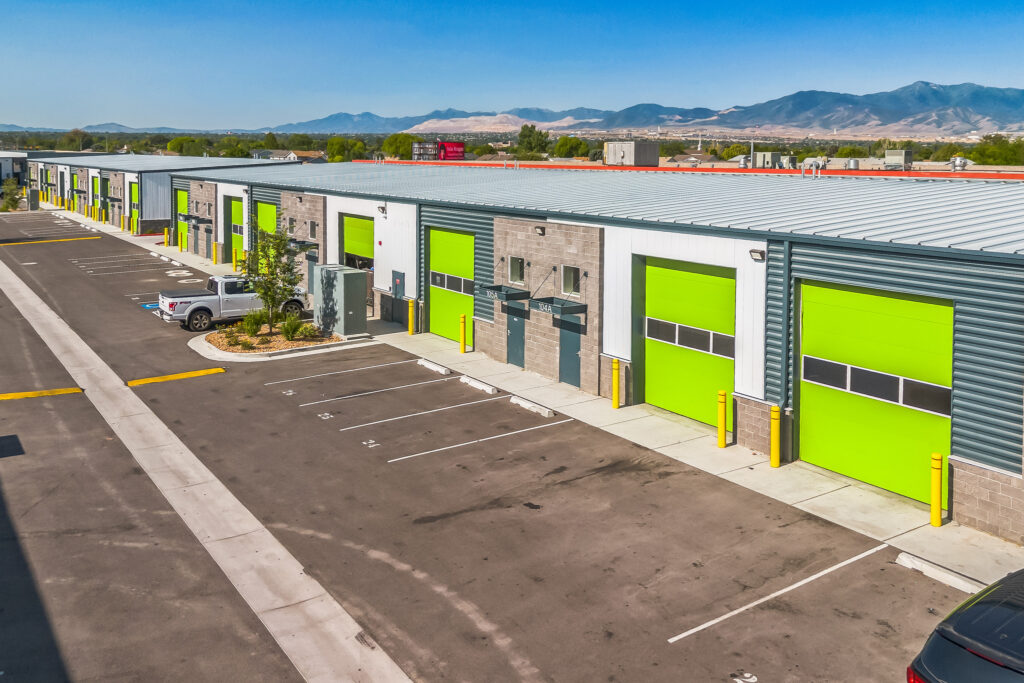
Compare spaces using the features that affect daily operations, not just the square footage in the listing. Start with access. Can a vehicle pull directly up to the unit? Is the roll up door large enough for your deliveries, equipment, or pallets? If your business depends on regular loading and unloading, access design can change how efficiently the space works.
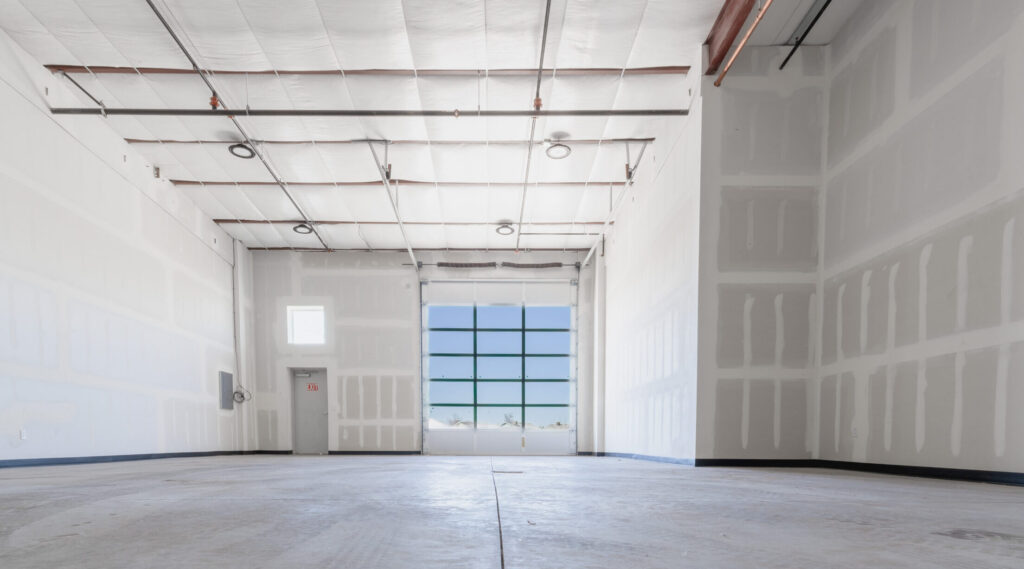
Then confirm infrastructure: power capacity, lighting, and whether there is enough room inside the unit for both storage and active work. Also verify access hours and security. If your team starts early, finishes late, or works weekends, restricted access can become a real operational problem.
Warehouse Tour Checklist
- Roll up door size
- Drive up access
- Electrical service
- Interior layout
- Lighting quality
- Access hours
- Security features
- Ceiling height
5. Look for Lease Flexibility
Look closely at the lease structure before you get too far into the search. Traditional industrial leases often require multi year commitments, which can become a long term liability if your business changes faster than expected or the space turns out to be the wrong fit.
Month to month warehouse rental matters. Flexible leasing gives you room to scale up, scale down, or relocate without getting trapped in a space that no longer works operationally. For many small businesses, lease flexibility is not a bonus feature. It is a core part of choosing the right space.
WorkBay offers month to month leasing as standard on all units, with no long term commitment required.
6. Tour the Space Before You Decide
Tour every space before signing anything. Listings and photos rarely show the details that matter most once you move in: ceiling clearance, functional layout, neighboring activity, parking, noise, traffic flow, and whether the unit is truly move in ready.
When you tour, evaluate the space as if you are already operating from it. Can a vehicle pull up directly to the door? Can the door open fully with inventory inside? Where is the electrical panel, and what capacity does it support? What are neighboring units being used for, and could that affect your operation? Is there enough room for crew parking or customer access if needed?
These answers are easy to gather in person and can prevent months of frustration after move in.
Common Mistakes to Avoid
Choosing based on size alone
Square footage does not tell you whether a space will actually support your workflow.
Evaluate layout, access, and infrastructure alongside square footage.
Ignoring workflow
A space that forces constant reorganization creates friction every single day.
Think through how inventory enters, where it is stored, and how it leaves.
Underestimating how quickly you will fill the unit
Many businesses are back searching for a new space within a few months.
Plan for near term growth so you are not forced into another move almost immediately.
Signing a long term lease without a clear growth plan
Long term commitments can become liabilities fast if your business evolves.
Ask about terms and notice periods early, and prioritize flexibility.
Find Your WorkBay Unit Today
Private small warehouse units from 500 to 3,000 sq ft with month to month leasing, 24/7 drive up access, and move in ready infrastructure across Utah, Arizona, Texas, and Florida.
Browse Available Units Tour a LocationFrequently Asked Questions
Search for “small warehouse for rent” plus your city name, then narrow your options by size, access, infrastructure, and lease flexibility before scheduling tours.
The right warehouse size depends on your inventory volume, workflow, and whether you need dedicated workspace inside the unit. A good rule of thumb: choose more space than you need today to account for near term growth.
Check roll up door access, power capacity, lighting, ceiling height, parking, security, access hours, and whether the interior layout supports your actual workflow.
Yes. Many small bay and flex warehouse facilities offer month to month lease options, which give growing businesses more room to adapt without taking on a long term commitment. WorkBay offers month to month leasing as standard on all units.