

Is your laptop currently perched on the edge of the kitchen table? Are you tired of apologizing for background noise during client calls? If your creative business has outgrown its makeshift setup, you’re not just feeling cramped—you’re starting to feel the limits of your growth.
For many creatives, the idea of renting space feels like adding another expense. In reality, the right workspace is one of the most powerful tools you can invest in. It directly affects your focus, your professionalism, and your ability to do your best work. A graphic designer trying to look credible on a client call from a bedroom quickly learns that their environment is part of the brand.
The good news? Your options go far beyond working from home or committing to an expensive long-term studio. From coworking spaces to shared studios to flexible WorkBay space, there’s a solution that fits both your budget and your craft. Let’s break it down, here’s your options:
1. Home Office — Start Simple, Stay Flexible
The home office is the default for a reason: it’s ‘free.’ But this space can also become a source of significant tax savings. With the home office tax deduction, you may be able to write off a portion of your housing expenses, like rent. The key is that the space must be used exclusively for your business. Properly setting up your home art studio this way means your business helps pay for your home.
Benefits:
- Low startup cost — no commercial lease to sign.
- Maximum flexibility — work on your own schedule.
- Comfortable environment — familiar surroundings can reduce stress.
Challenges:
- Lack of separation between work and personal life.
- Limited space for equipment, materials, or meetings.
- Isolation from collaborators or clients.
Home offices are a great launching pad, but as your business grows — especially if you need space for physical products or in-person collaboration — you’ll want to look at other options.

2. Coworking and Shared Office Spaces — Community and Collaboration
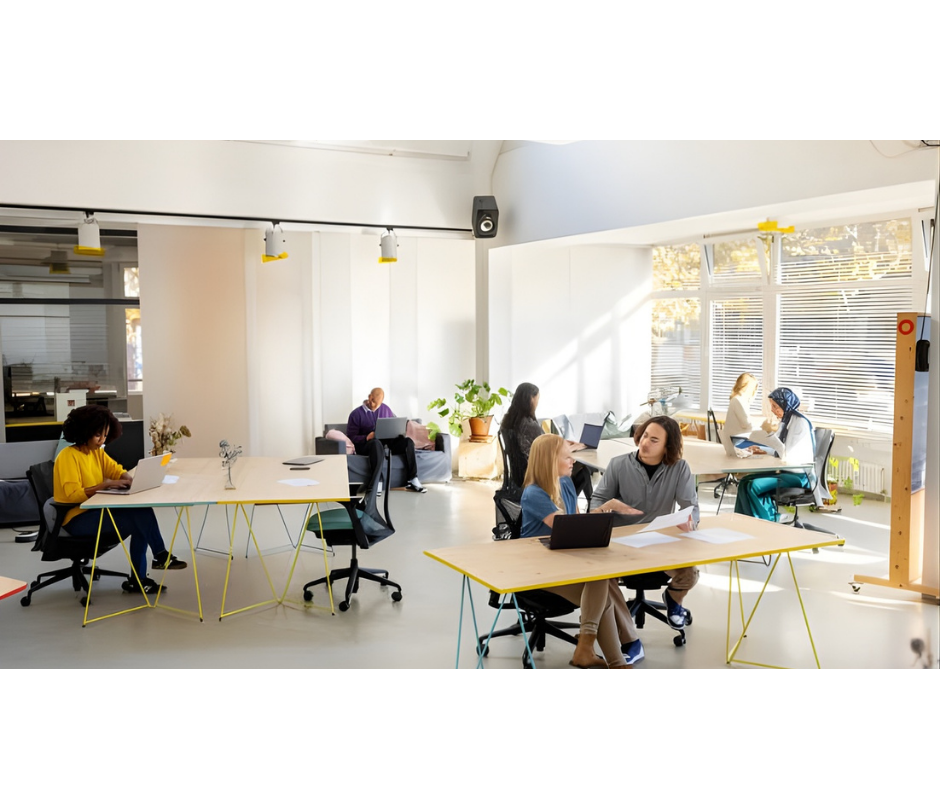
Coworking spaces blend the structure of an office with the energy of community. They offer dedicated desks, private offices, meeting rooms, and shared amenities.
These flexible work environments are especially powerful for small teams, independent creatives, and businesses that benefit from networking and collaboration.
Why Creatives Love Coworking:
- Flexible memberships — pay only for what you need.
- Professional setting without the cost of traditional leases.
- Built-in networking with others from different industries.
- Meeting rooms and business amenities like Wi-Fi, printers, and event spaces.
These spaces can energize creative work, offering both structure and community, making them ideal for designers, writers, consultants, and small teams that want “office energy” without the corporate commitment.
3. Traditional Office or Studio — Professional but Structured
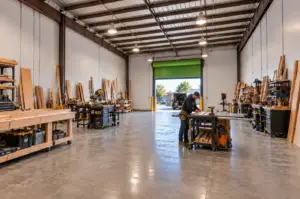
For many creatives, the real work happens away from a computer. If your business involves pottery, woodworking, or culinary arts, a desk won’t cut it. This is where specialized shared workspaces come in, often called maker spaces or shared-use studios. They provide the heavy-duty infrastructure that a home office or standard coworking space can’t.
Think of them as a coworking hub for your craft. Instead of desks, members get affordable access to professional-grade equipment—like kilns, laser cutters, or commercial kitchens. This provides an instant workshop space and surrounds you with a community of fellow artisans who can offer feedback, share techniques, and even collaborate on projects.
The shared model is perfect for testing a business idea without a huge upfront investment in tools. It’s the leanest way to turn a hands-on hobby into a profession.
Pros:
- Dedicated professional environment.
- Room for branding and customization.
- Clear physical boundaries between work and life.
Cons:
- Higher long-term cost.
- Rigid lease terms.
- Less flexibility for scaling up or down quickly.
A traditional office or studio suits teams or creatives with growing client rosters who need a polished, professional space.

4. Small Business Spaces & Flex Spaces — The New Frontier
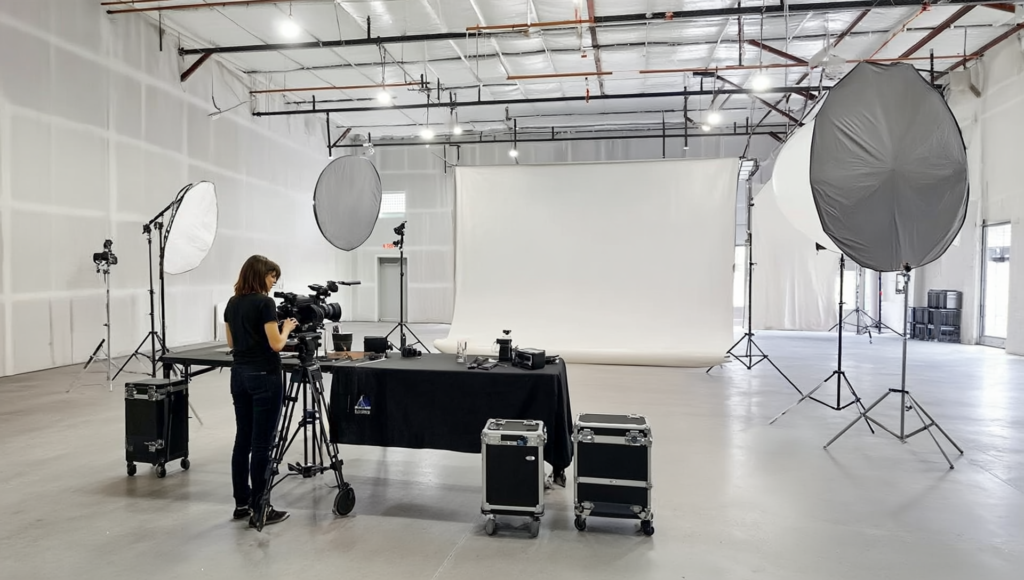
For many creative entrepreneurs — especially those producing physical work, prototypes, products, or content — a new workspace category is emerging as a smart hybrid between office, studio, and warehouse: small business flex spaces.
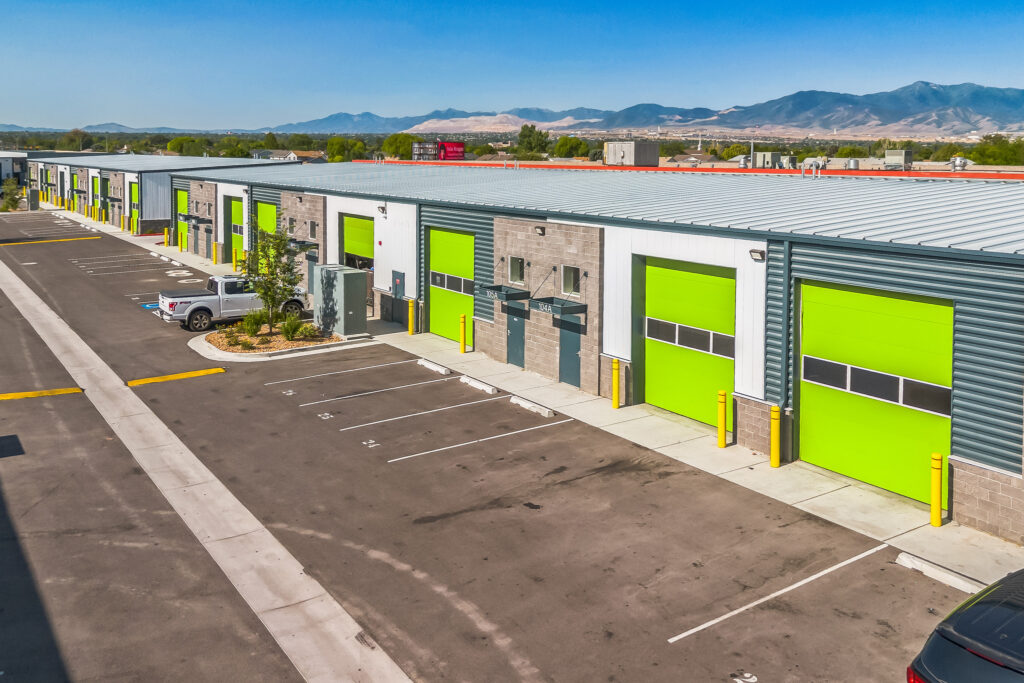
One great example is WorkBay flex space explanation — adaptable units that break the mold of traditional office rental. They’re designed from the ground up to fit how you work, not force you into a one-size-fits-all box.
What is Flex Space?
Flex spaces are versatile commercial units that can serve as:
- A workspace and studio for creative projects
- A production and assembly area for physical products
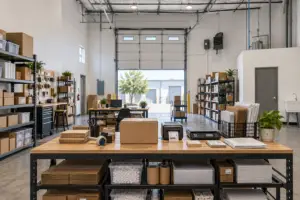
- A storage and fulfillment space for inventory
- A hybrid office + workshop tailored to your business layout
Why Flex Space Works for Creative Businesses:
Adaptable Layouts
Unlike traditional leases, flex spaces let you design how you use the space — whether that’s dividing it into a studio, showroom, office rows, workbenches, or storage zones.
Fast Move-In and Flexible Terms
Many providers, including WorkBay, make spaces move-in ready within days, without months of buildout or bureaucratic delays. Flex leases often offer month-to-month options or short terms, so you aren’t locked down.
Scales With Your Business
As your creative business expands — more inventory, more collaborators, more equipment — you can grow into larger units or reconfigure your existing space. Flex spaces are built with that adaptability in mind.
Professional Presence
Having a dedicated business address and secure, customizable workspace elevates your brand and can improve client perceptions — especially compared with working out of a garage or spare room.
A 4‑Point Framework to Choose the Right Workspace
When comparing options, keep your decision simple by focusing on what truly matters to your work.
Budget – What is your maximum all‑in monthly cost?
Brand – How important is it for clients to see a private, professional, or branded space?
Logistics – What do you physically need? Natural light, quiet rooms, power, ventilation, or storage?
Community – Do you thrive around others, or do you need deep, uninterrupted focus?
Your non‑negotiable will usually stand out. A podcaster may prioritize sound control. A maker may need space and power. A consultant may care most about client experience.
Whether you’re considering coworking, a shared studio, or a WorkBay flex space, asking the right questions puts you in control.
Conclusion — Match Space to Purpose
There’s no single best workspace for every creative business — but there is the right one for your goals, your workflow, and your growth stage.
- Home offices are brilliant for early experiments and low costs.
- Coworking spaces boost community and structure without commitment.
- Traditional offices or studios offer polished environments for teams.
- Small business flex spaces like WorkBay’s units give adaptability, scalability, and real work functionality under one roof.
You’re not just renting square footage—you’re choosing the environment where your ideas become reality. Choose a space that supports how you work today and where you’re headed next.
By understanding how your business works — not just what it does — you can choose a workspace that accelerates your creativity, supports your clients, and fuels your future.