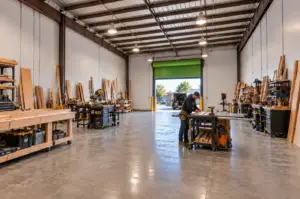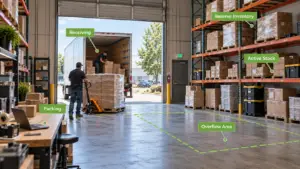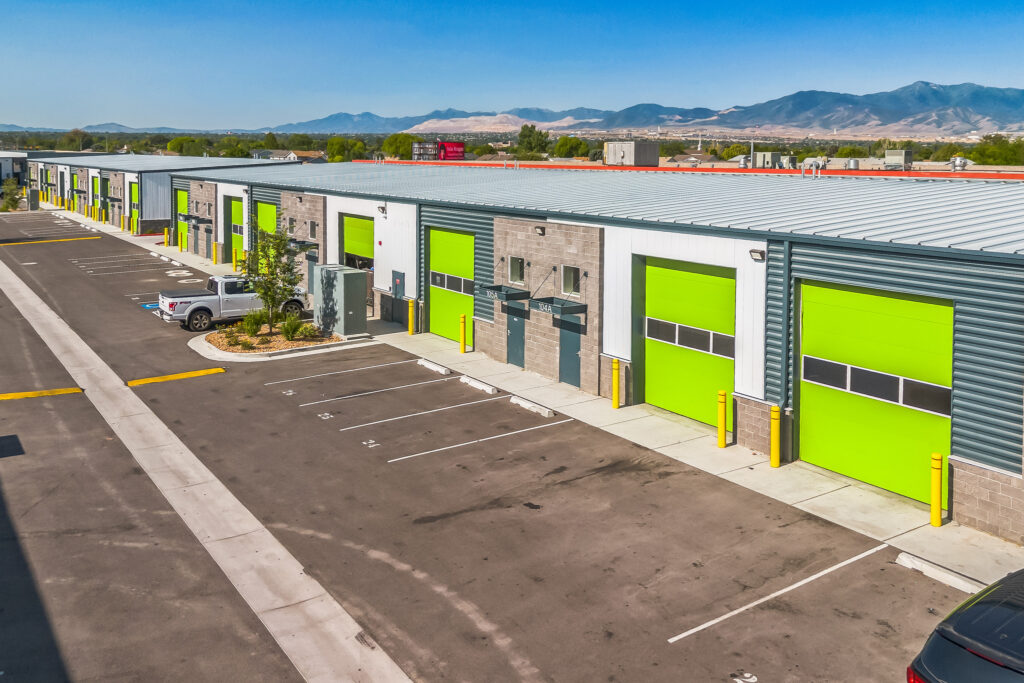

At first, the garage works because it is simple. The tools are close. The truck is outside. Materials can stack along the wall, and the workday can start without a commute.
Then, slowly, the garage starts working against you.
You spend the first part of the morning moving boxes just to reach the saw. A supplier delivery sits in the driveway because there is nowhere clean to put it. Tools disappear under materials from three different jobs. The truck stays half loaded overnight because unloading it would take too long. A neighbor asks how many vehicles are going to be parked outside this week.

That does not always mean it is time to rent warehouse space. Sometimes it means you had a rough month, took on a messy project, or need to reorganize.
But sometimes it means the business has outgrown the house.
The question is not, “Am I busy?” The better question is, “Is my current workspace starting to cost me time, work, credibility, or control?”
That is what this small business workspace calculator is designed to help you figure out. It is not a pricing tool. It is not a commitment. It is a practical check on whether your garage is still helping your business run, or whether it has become part of the problem.
The 7 Signs It’s Time to Rent Warehouse Space
The clearest sign that you should rent a warehouse is when your workspace is actively costing you business, through missed jobs, damaged materials, wasted time, or a setup that no longer looks professional.
In our experience across WorkBay parks, the move from garage to bay usually does not happen because of one dramatic moment. It happens because several small frictions start showing up again and again.
The Garage to Bay Calculator looks at seven practical signals. Answer each honestly. Your score will tell you where you stand.
Garage to Bay Calculator
7 quick yes or no questions. No email required.
These questions are intentionally simple. You should not need a spreadsheet to know whether your workspace is starting to break down. If the same issues keep showing up in your week, the pattern is probably worth paying attention to.
What Your Score Means
Ready
If you answered yes to five or more questions, your garage is probably doing more than feeling crowded. It is likely holding the business back in a consistent way.
That does not mean you need the biggest space you can find. It means you should look at what a right sized business bay could solve. If missed jobs, disorganization, neighbor friction, or vehicle overflow are becoming normal, it may be time to rent warehouse space and compare your current setup with a more functional one.
Next step: Find a WorkBay near you and schedule a tour.
Consider
If you answered yes to three or four questions, you may be approaching the tipping point.
The garage might still work on good weeks, but the friction is building. This is the stage where planning helps. You may not need to move tomorrow, but you do want to understand what staying too small could cost you in time, missed work, mistakes, or stress.
Next step: Read about the hidden costs of staying in the garage.
Wait
If you answered yes to two or fewer questions, the garage may still be the right fit for now.
That is a good outcome. Moving too soon can create pressure your business does not need yet. If your current space is still organized, manageable, and not limiting your work, keep using it while it works.
Next step: Bookmark this page. Come back in 6 months, or sooner if your workload changes.

What to Do Next
Your score is not a verdict. It is a planning signal.
If you scored Ready, the next step is to see space in person. A tour gives you a better feel for what moving out of the garage would actually change: where tools could go, how materials could be staged, how vehicles could load, and whether the setup fits the way your business operates. Start with Find a WorkBay near you, then schedule a tour at a park that makes sense for your route and customer base.
If you scored Consider, do not ignore the pattern. This is the right time to look at the decision before it becomes urgent. When you are forced to move because the garage finally stops working, you have fewer options and less patience. Start by reading about the hidden costs of staying in the garage, then revisit this calculator after a busy month.
If you scored Wait, respect that result. A workspace move should solve real problems, not create new ones. Keep an eye on the seven signs above. If you start turning down work, storing materials in your vehicle, losing tools, or dealing with complaints, your score may change quickly.
The best workspace decision is the one that matches your business as it actually operates, not the version you feel pressured to grow into.
How the Calculator Was Built
This small business workspace calculator was built from WorkBay’s experience operating 23+ parks and seeing thousands of business owners make the transition from home based operations into dedicated workspaces. In our experience, the strongest signals are practical ones: missed jobs, overflow, disorganization, team needs, customer expectations, and residential friction.
For readers still researching what type of space might fit, our guide to flex warehouse space explains how flexible business space can support storage, light operations, and day to day work under one roof.
About WorkBay. WorkBay builds small business spaces for contractors, tradespeople, ecommerce sellers, makers, and growing operators across Utah, Arizona, Texas, and Florida. Month to month flexibility. Move in ready. Built for businesses that make, fix, and build things.