You’ve outgrown the driveway. The “one more job” in your home garage turned into steady work, repeat customers, and a calendar that’s packed. Now you need a real Fort Worth shop space.
This guide walks you through the exact steps to open (or legitimize) a small auto repair shop in Fort Worth. From planning and permits to finding a garage shop for rent in Fort Worth, we’ll walk you through setting up an efficient layout and estimating startup costs.
What you’ll walk away with:
- A step-by-step launch plan you can follow this week
- A practical checklist for startup costs, permits, and space requirements
- A “choose the right space” section with common mistakes to avoid
- Layout and workflow examples for a small-bay shop
Step 1: Validate Demand in Fort Worth (Don’t skip this)
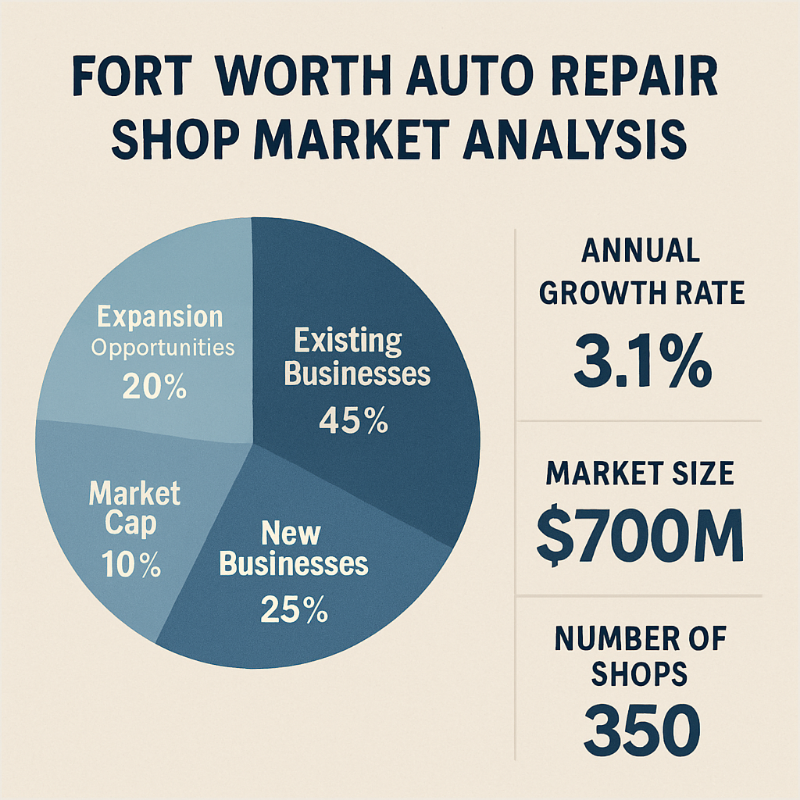
You don’t need a 30-page market report. You need proof your shop can stay booked.
Quick ways to validate demand locally:
- Search: “brake repair Fort Worth,” “AC repair Fort Worth,” “diagnostics Fort Worth” and note how many shops show up + their reviews.
- Scan Nextdoor/Facebook community groups for recurring requests (mobile mechanic, brake jobs, inspection help, “any honest mechanic?” posts).
- Identify what you’ll be known for:
- Fast turn basics (brakes, batteries, alternators, starters)
- Diagnostics + electrical
- Fleet/light commercial vehicles
- After-hours/weekend repair (huge opportunity)
Action step: Write your “top 5 services” and your “ideal customer” in one sentence each. That becomes your offer and your marketing.
Step 2: Pick a Simple Shop Concept That Fits a Small Bay
A small bay can be extremely profitable if you design your workflow around it.
Small-bay shop models that work well:
- General repair + diagnostics (highest flexibility)
- Brakes + suspension focus (repeatable jobs, predictable times)
- Mobile-to-bay upgrade (keep mobile calls but use the bay for bigger work)
- Appointment-only shop (control chaos and reduce lot clutter)
Rule of thumb: In a small bay, you win by reducing downtime. No more waiting on parts, hunting tools, awkward parking, and messy scheduling.
Step 3: Build a Lean Business Plan (1 page is fine)
You’re not writing this for school. You’re writing it so you don’t guess at pricing and expenses.
Your one-page plan should include:
- Services + average ticket (example: $350 average repair order)
- Jobs per week you can realistically handle (example: 15–25)
- Monthly overhead estimate (rent, insurance, software, trash/waste, tools)
- Pricing strategy (labor rate, parts markup, diag fee)
- Your break-even point (how many jobs to cover overhead)
Example (simple math):
If overhead is $6,500/month and your gross profit per job averages $220, you need ~30 jobs/month to cover overhead (about 8 jobs/week).
Step 4: Estimate Startup Costs for a Small Mechanic Shop
Startup costs can swing wildly depending on equipment, the space you choose, and how fast you want to scale.
Common startup cost buckets
- Shop space costs: deposit, first month, utilities setup, signage
- Equipment/tools: lift (if you add one), jacks/stands, diagnostic tools, compressor
- Software: invoicing/shop management + accounting
- Legal/admin: business registration, permits, insurance
- Initial inventory: fluids, filters, common parts, shop supplies
- Marketing: Google Business Profile setup, basic website, local ads
Startup cost checklist (copy/paste)
- Buffer fund (at least 60 days of overhead if possible)
- Deposit + first month rent
- Insurance down payment
- Core tools + specialty tools for your top services
- Diagnostic scanner subscription (if applicable)
- Compressor/air tools (or confirm what you already own)
- Shop supplies (oil drain, absorbent, gloves, towels, brake cleaner)
- Signage + business cards
- Shop software + payment processing
- Waste/wastewater plan (know your disposal process)
Step 5: Secure Funding (Without Overcomplicating It)
Options most small shops use:
- Personal savings + reinvested cash flow (start lean, grow fast)
- Bank/SBA loan (best rates if you have documentation and a plan)
- Equipment financing (helps if you’re buying a lift/compressor)
- 0% intro APR card (use carefully, pay off aggressively)
Action step: Before you borrow, decide what must be financed (e.g., lift) vs. what can be purchased after 60 days of cash flow.
Step 6: Handle Licenses, Permits, and Insurance Early
This step prevents painful delays once you find the right space.
General items to plan for:
- Business registration (LLC or other structure)
- General liability insurance
- If hiring: workers’ comp planning
- Any local requirements tied to signage, occupancy, or specific operations
Pro tip: Ask prospective landlords/property managers what’s required for your use case before you sign—especially around operations, parking, and waste handling.
Step 7: How to Choose the Right Space for Your Business
This is where many new shop owners get stuck—or sign the wrong lease.
What “right” looks like for a small-bay auto shop in Fort Worth
Use this as a practical scorecard when you tour a garage bay for rent in Fort Worth:
Access + workflow
- Roll-up door size fits your typical vehicles
- Easy in/out for towing and customer drop-off
- Enough dedicated parking stalls (for customer cars, your car, and work-in-progress)
Utilities + comfort
- Reliable power for tools and equipment
- Internet availability (for diagnostics, invoicing, customer communication)
- Heating/ventilation plan (tech comfort matters more than people admit)
Basics that save your day
- Bathroom on-site
- Utility sink (fluids, handwashing, cleanup)
- Lighting that doesn’t make precision work miserable
- Fire safety features (fire alarm and clear safety expectations)
Lease reality
- Clear rules about repairs, maintenance, and improvements
- Reasonable term length for a first location
- Expectations around exterior appearance/signage
Common mistakes to avoid
- Choosing the cheapest space that adds hidden costs (poor lighting, no bathroom, no sink, no parking = daily headaches)
- Underestimating parking needs (customers + cars waiting on parts = conflict fast)
- Ignoring layout constraints (where will parts go? where do cars queue?)
- Signing a long lease before you’ve stabilized demand
- Forgetting customer experience (drop-off, communication, cleanliness)
Step 8: Find a Garage Shop for Rent in Fort Worth (Fast)
When you’re searching “auto repair shop for rent Fort Worth” or “garage shop for rent Fort Worth,” your goal is to tour quickly and compare spaces with a consistent checklist.
Where to look:
- Commercial listings (Crexi/LoopNet-type sites)
- Local brokers who know light industrial
- Word-of-mouth (other mechanics, parts suppliers, tow operators)
Tour questions to ask (bring this with you):
- What’s included in rent vs. what’s separate (utilities, CAM, etc.)?
- Any restrictions on operating hours or noise?
- Parking rules—what’s guaranteed to you?
- What changes can you make to the unit (shelving, signage, minor improvements)?
Step 9: Auto Shop Layout for a Small Bay (Simple, Efficient, Safe)
A small bay can run like a machine if you design it for speed.
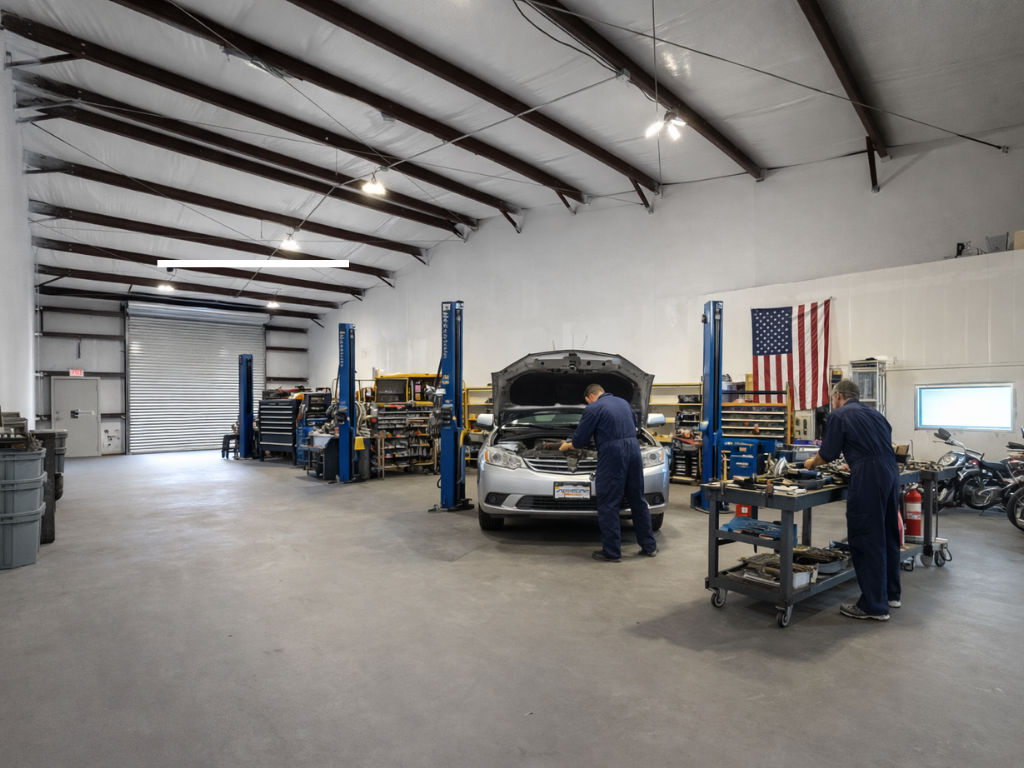
A proven small-bay layout (example)
Zone 1: Work bay (the money zone)
- Keep the bay clear; everything should be reachable in 2–3 steps
- Hang frequently used tools on the wall or roll cart
Zone 2: Parts + fluids
- Shelving for common items (filters, fluids, brakes)
- Dedicated spot for incoming parts so they don’t “disappear”
Zone 3: Admin/customer
- Small desk/tablet area for estimates and invoices
- One clean spot for customers (even if it’s minimal)
Small-bay efficiency checklist
- Clear pathway from door → bay → tool storage
- Tool cart staged for your top 5 services
- Dedicated “waiting on parts” area
- Good lighting over work area
- Clearly labeled fluids/chemicals storage
- Trash/cleanup station easy to access
Step 10: Set Up Tools, Tech, and Systems on Day 1
Shops lose money when systems are sloppy.
Minimum tech stack:
- Invoicing + estimates (shop software or simple system you’ll actually use)
- Online payments
- Customer texting/communication
- Google Business Profile (this is huge for local SEO)
Action step: Set a standard process:
- Customer request → 2) Diagnostic fee set → 3) Written estimate → 4) Approval → 5) Job completion → 6) Follow-up review request
Step 11: Marketing Your Fort Worth Auto Shop (Local + Practical)
You don’t need fancy branding. You need to show up when someone searches for a mechanic in Fort Worth.
Start here:
- Create/optimize your Google Business Profile
- Ask every happy customer for a review (text them the link)
- Post before/after photos weekly
- List your services clearly (brakes, AC, diagnostics, etc.)
Easy local offers that work:
- First-time customer inspection discount
- Free scan with repair approval (be careful with scope creep)
- Fleet discounts for small businesses
A Local Option for Fort Worth Shop Space: WorkBay (Willard)
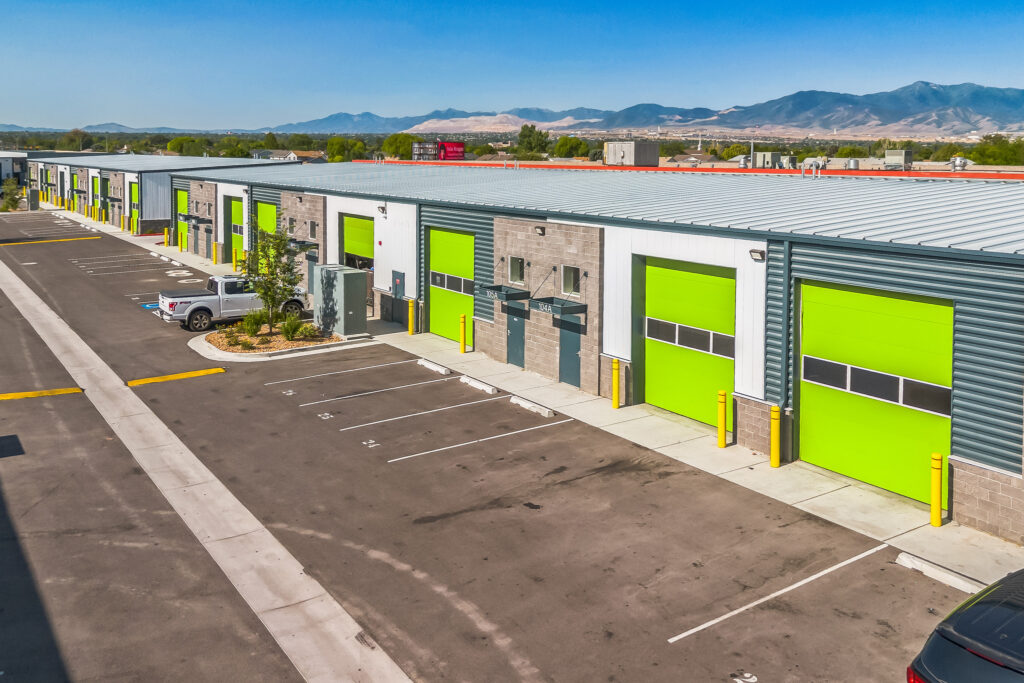
If you’re looking for a garage bay for rent in Fort Worth that’s built for small business owners, WorkBay’s Willard location offers small warehouse units that work well for a lean auto shop setup—especially if you’re stepping up from driveway work and want a dedicated, professional space.
At Willard, you’ll find practical features shop owners care about, including:
- 10’x10’ roll-up doors
- Heating
- Man door access
- Bathroom + sink
- Lighting
- Power + internet availability
- Fire-alarm
- Dedicated parking stalls
You can learn more about the Willard space here: WorkBay Willard.
Quick Launch Checklist (Fort Worth Auto Shop)
Use this to keep momentum and avoid overwhelm.
Planning
- Define top 5 services + ideal customer
- Set labor rate + diagnostic fee + parts markup plan
- Build 1-page business plan + break-even math
Space
- Tour 3–5 options for Fort Worth shop space
- Score each space with the criteria checklist
- Confirm parking, utilities, access, and lease terms
Legal + admin
- Business registration path selected
- Insurance quotes requested
- Permits/occupancy questions asked before signing
Operations
- Layout plan + zones defined
- Tool organization system set
- Invoicing + payment system ready
Marketing
- Google Business Profile live
- Review request process ready
- Basic website/landing page + phone number set
Conclusion: Your Roadmap to a Real Fort Worth Auto Shop
Opening an auto repair shop in Fort Worth is absolutely doable—especially if you start lean, choose the right space, and build repeatable systems before you try to scale.
If you’re ready to get out of the driveway and into a dedicated garage shop for rent in Fort Worth, WorkBay at Willard can be a practical next step for a small-bay setup. Check availability and see the Willard location here: WorkBay Willard.