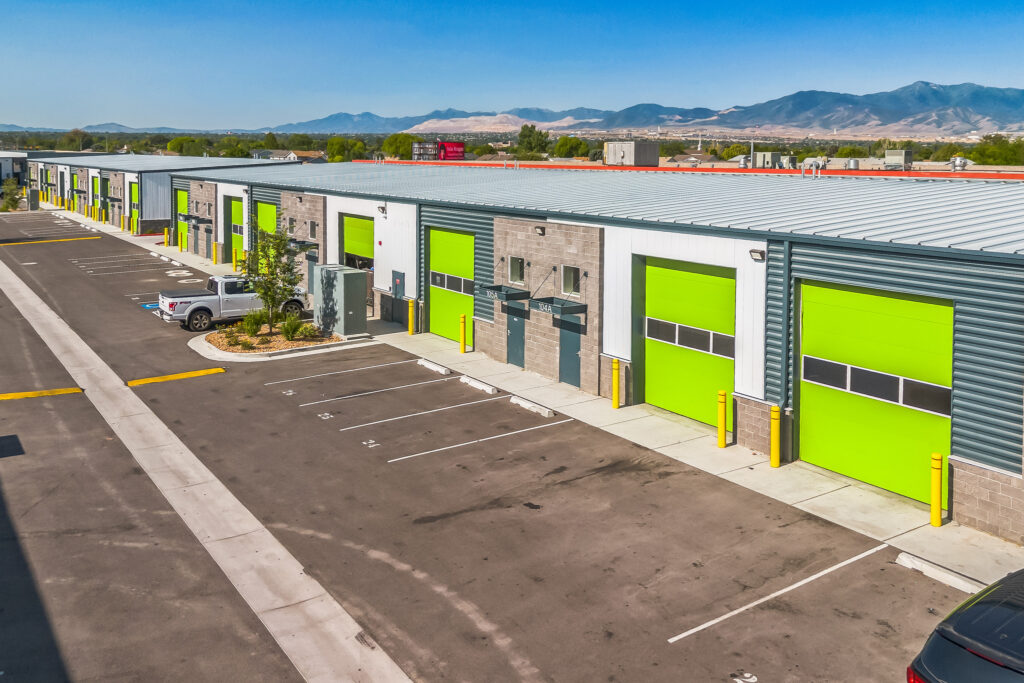
Creating a successful business doesn’t always start with a big budget or a corporate office. For many small business owners and side hustlers, it starts at the kitchen table, in the garage, or in a spare bedroom.
Whether you’re running an online shop, a mobile service business, or a growing local brand, success comes down to a few core things:
- A clear plan
- A real understanding of your customer
- Smart money decisions
- The right space to operate and grow
This guide walks through practical steps you can take now—and what to think about as you move from “side hustle” to “real business,” including how to choose the right warehouse or workspace when you’re ready.
Step 1: Build a Simple Strategic Plan You’ll Actually Use
Strategic planning doesn’t have to mean a 40-page document. For small businesses, a one-page plan you use is more powerful than a complex plan you ignore.
Start with three simple questions
- What problem do you solve?
- Example: “I help local contractors store tools and materials safely and close to job sites.”
- Example: “I bake custom cakes for events when people don’t want generic grocery store options.”
- Who exactly are you serving? (Don’t say “everyone.” Get specific)
- Local makers who sell at markets
- Contractors and tradespeople
- Small e-commerce brands that need storage and shipping space
- How do you make money?
- Products (what? at what price?)
- Services (packages, monthly retainers, one-time fees?)
Write these down. This becomes the foundation for every decision you make.
Set 90-day goals instead of vague dreams
Replace “I want to grow my business” with goals like:
- “Book 10 new recurring clients in the next 90days.”
- “Move inventory out of my house and into a small warehouse by the end of the quarter.”
- “Increase monthly revenue from $2,000 to $4,000 by adding two new service packages.”
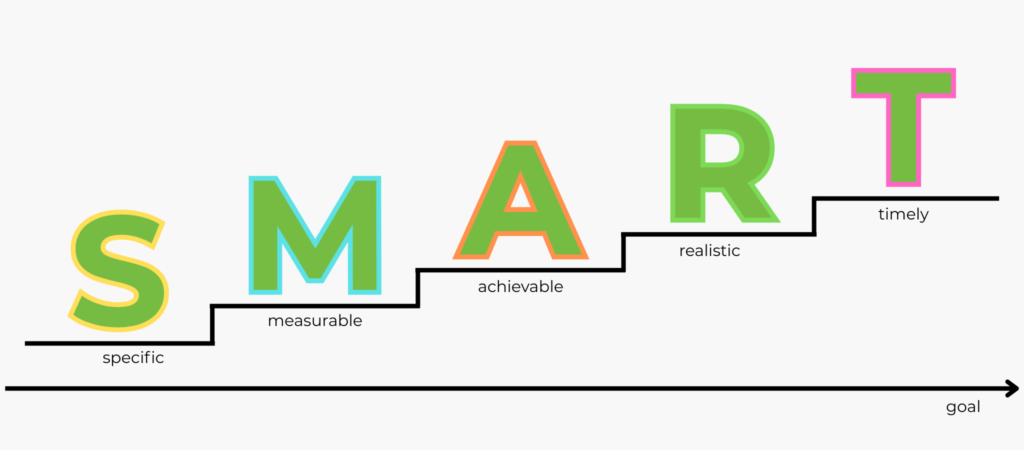
>> Use the SMART framework (Specific, Measurable, Achievable, Relevant, Time-bound) to tighten each goal.
Plan for risks and resources
For small businesses, the main risks are usually:
- Cash flow (not enough money coming in vs. going out)
- Burnout (you doing everything yourself)
- Space (running out of room or working in a space that slows you down)
Write down:
- Top 3 risks for your business
- How you’ll handle each (emergency fund, backup suppliers, flexible warehouse space, part-time help, etc.)
Step 2: Craft a Lean Business Plan (That Doesn’t Take Months)
A business plan doesn’t have to be intimidating. Think of it as a roadmap that keeps you from guessing every day.
Include these key sections
- Executive summary (1–2 paragraphs)
- What you do
- Who you serve
- How you make money
- Your growth goal for the next 12 months
- Market and customer snapshot
- Who are your customers?
- Where do they currently buy from?
- Why would they switch to you?
- Offer & pricing
- Core products/services
- Price ranges
- Any bundles or packages
- Operations plan
- Where you work (home, shared space, warehouse, mobile)
- How you fulfill orders or deliver services
- What tools, equipment, or space you need
- Simple financial plan
- Startup costs (equipment, space, licenses, website, etc.)
- Ongoing monthly expenses (rent, tools, software, marketing)
- Revenue goals and break-even point
Tip: If your business relies on inventory, equipment, or vehicles, your space costs (like a small warehouse) should be a visible line item—not an afterthought.
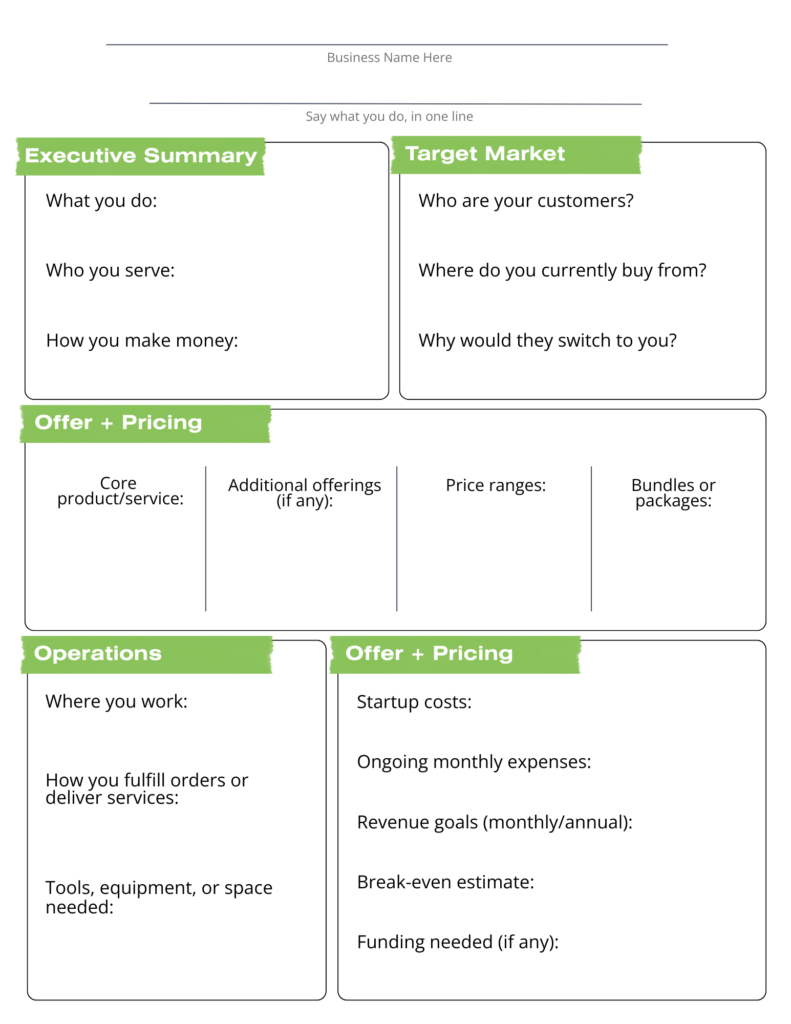
>> Download this free simple business plan template to get started
Step 3: Choose the Right Space for Your Business (Home vs. Warehouse vs. Office)
Your space can either support your growth or hold you back. Many small businesses start from home—but as you grow, that may not be the best (or most professional) option.
Signs you’ve outgrown your home setup
- Inventory is taking over your living room, garage, or hallway
- You can’t keep things organized or find what you need quickly
- You’re turning down orders because you don’t have storage or production space
- You need a more professional place to meet clients, vendors, or inspectors
- Your neighbors or HOA are starting to complain about noise, traffic, or deliveries
If any of these feel familiar, it might be time to look at a small warehouse or flexible workspace.
What to look for in a small warehouse or workspace
When evaluating a space for your business, consider:
- Location
- Is it close to your home or main customer base?
- Easy access to highways or main roads for deliveries and service calls?
- Size & layout
- Enough room for current inventory and equipment—plus some growth
- Open floor plan you can customize for storage, production, and maybe a small office
- Ability to add shelving, worktables, or light build-outs
- Access & security
- 24/7 access if you work early mornings, evenings, or weekends
- Secure entry, good lighting, and cameras or onsite security
- Roll-up doors or loading access if you move large items or pallets
- Parking & loading
- Adequate parking for you, employees, and occasional customers
- Room for vans, box trucks, or delivery vehicles
- Lease flexibility
- Shorter lease terms or options to scale up to larger spaces as you grow
- Clear rules about signage, customer visits, and business operations
Choosing the right space is a business decision, not just a real estate one. The right small warehouse can help you:
- Work more efficiently
- Store more inventory safely
- Look more professional to customers and partners
Step 4: Use Innovation That Fits a Small Business (Not Just Big Companies)
You don’t need a huge tech budget to be “innovative.” For small business owners, innovation is about doing things smarter, not necessarily “more high-tech.”
Here are practical, modern approaches:
- Use simple automation tools
- Schedule social media posts in batches
- Use online booking tools for appointments
- Set up automated email follow-ups or reminders
- Leverage digital marketing
- Claim and optimize your Google Business Profile
- Create a simple website or landing page with clear calls-to-action
- Use social media to show behind-the-scenes content from your warehouse or workspace
- Make your space work harder
- Organize your warehouse with zones: receiving, storage, packing/production, and shipping
- Use labels and simple inventory tools (even spreadsheets or low-cost apps)
- Set up a small photo area for product shots or content creation
Innovation is about constantly asking:
“How can I save time, reduce mistakes, or create a better customer experience with the tools I have?”
Step 5: Put Profitable Strategies and Growth Methods in Place
“More sales” isn’t the only path to success. Many small businesses grow by becoming more profitable, not just busier.
Ways to increase profit (without doubling your workload)
- Raise prices strategically
- Offer “good, better, best” packages
- Add rush fees or after-hours rates
- Charge for premium add-ons
- Add complementary products or services
- A detailer adds monthly maintenance plans
- A baker offers dessert tables or corporate snack boxes
- A maker offers custom branding or packaging
- Improve your operations
- Store raw materials and finished products efficiently in your warehouse
- Create standard checklists for common tasks or services
- Batch your work (e.g., all prep in the morning, deliveries in the afternoon)
- Form partnerships
- Partner with nearby businesses in the same industrial/warehouse complex
- Cross-promote with photographers, event planners, contractors, etc.
Think of growth in stages:
- Consistent income from a small, focused offer
- Better systems and space to support higher volume
- Expansion into new offers, locations, or bigger spaces
Step 6: Smart Strategies for Product & Retail-Based Businesses
If you sell products—online or in person—your space, inventory, and customer experience are everything.
Make Your Inventory Work for You
- Keep fast-moving items easy to access in your warehouse
- Use simple labeling and shelving to reduce pick/pack mistakes
- Track what sells well and what sits on the shelf
Create a “Mini Storefront” if it Makes Sense
Even in a small warehouse, you may be able to:
- Set up a clean, branded area to meet customers or wholesalers
- Offer local pickup to save on shipping
- Host occasional open houses, small events, or vendor days (if allowed in your lease)
Real-World Strategy Examples
- Personalized marketing: Segment your customers (wholesale vs. retail, one-time vs. repeat) and send tailored offers.
- Faster fulfillment: Keep packing materials and shipping supplies organized in one dedicated area.
- In-store or in-warehouse tech: Use a simple point-of-sale (POS) system or tablet for orders, invoices, and payments.
Step 7: Lead Like a Real Business (Even if It’s Just You… for Now)

Leadership, culture, and resilience matter, even in a “tiny” business.
Lead Yourself First
- Set work hours, even if flexible
- Protect time for planning, not just reacting
- Take one half-day a month to review numbers, space needs, and strategy
Build a Simple, Positive Culture
If you have contractors, part-time help, or a small team:
- Clearly explain expectations and standards (punctuality, safety, customer care)
- Create easy-to-follow procedures—especially around how your warehouse or workspace is used
- Treat people like partners, not just help
Stay Resilient
Business will have slow months, surprise expenses, and tough clients. Resilience looks like:
- Keeping some cash reserve for emergencies
- Having backup suppliers or equipment plans
- Having a flexible space that can grow or adjust with you
Step 8: Measure What Matters: KPIs, Feedback, and Continuous Improvement
You can’t improve what you don’t measure.
Simple KPIs for Small Businesses
Start with a short list:
- Monthly revenue
- Monthly profit (after all expenses, including rent/space)
- Average order value or average job size
- New customers per month
- Repeat customers per month
If you use a warehouse or dedicated space, also track:
- How much inventory you’re turning over each month
- Time from order to shipment or completion
- Number of orders/jobs you can complete in a week from your current space
Use Feedback as a Free Consulting Service
- Ask customers: “What made you choose us?” and “What could we do better?”
- Ask employees/contractors: “What slows you down in our current setup?”
- Look for patterns (space constraints, unclear processes, communication issues)
Then make small, steady improvements:
- Reorganize your warehouse layout based on actual workflow
- Adjust pricing or offers based on what customers value most
- Double down on the marketing channels that actually bring in revenue
Conclusion: Build a Business That Fits Your Life—and Has Room to Grow
Creating a successful small business isn’t about doing everything at once. It’s about:
- Understanding your customer
- Setting clear, realistic goals
- Choosing tools and spaces that support the way you work
- Improving a little bit each month
As your side hustle turns into a real business, your needs will change—especially your space. Moving from your home into a small warehouse or flexible workspace can be a powerful step:
- You reclaim your home
- You work more efficiently
- You’re ready for larger orders, more equipment, or a small team
Start where you are. Clarify your plan, choose the right space when the time comes, and keep improving. That combination—strategy, space, and steady action—is what turns a small idea into a successful business.