Too small means clutter, bottlenecks, and constant reshuffling. Too big means paying for space you do not use. The good news is that most businesses need less warehouse space than they think, because sizing right is more about workflow than raw square footage.
This guide covers size ranges by business type, the factors that change the answer, and a simple way to decide how much flex warehouse space you need for your operation.
Quick Reference by Business Type
These are starting ranges, not fixed rules. The right warehouse size depends on how you store inventory, how you move through the space, and whether you are using the unit for active operations or overflow.
| Business Type | Typical Size Range |
|---|---|
| Small business (general) | 500 to 2,000 sq ft |
| Ecommerce seller | 500 to 1,500 sq ft |
| Contractor / trades | 1,000 to 2,500 sq ft |
| Retail / inventory business | 1,000 to 3,000 sq ft |
| Service business with equipment | 500 to 1,500 sq ft |
Key Factors That Determine Warehouse Size
Your total space requirement is more than just shelf count. These four factors change the number significantly.
Inventory Volume
The more active SKUs you carry, the more space you need for both storage and access. A business with 100 SKUs on shelves has very different requirements than one receiving palletized inventory every week.
- How many unique products do you stock at once?
- Do you receive full pallets or individual case quantities?
- How quickly does your inventory turn over?
Workflow and Operations
Storage is only part of the footprint. If you pack orders, label shipments, stage freight, charge tools, or have crew members working in the unit, you need space beyond inventory. One packing station takes 50 to 100 sq ft. Staging and aisle clearance can add 200 to 400 sq ft more.
- Do you pack, label, and stage shipments in the same space?
- Do employees or crew members work in the unit?
- Do you need space for assembly, fabrication, or equipment use?
Storage Method
Shelving uses vertical space efficiently but still needs clear aisles. Pallet racking needs room for forklift access. Bulk floor storage uses the most footprint because inventory spreads outward instead of upward. Ceiling height decides how far up you can go, so measure volume, not just square feet.
- Are you storing on shelves, pallets, or the floor?
- Do you need wide aisles for carts, forklifts, or crew movement?
- Can you use vertical height, or do you need open floor area?
Growth Plans
Sizing only for today often means moving again within a year. A better rule is to size for the next 12 to 18 months, especially if you expect seasonal spikes, new SKUs, or more team members.
- Will your inventory volume grow in the next 12 to 18 months?
- Do you have busy seasons that temporarily double your needs?
- Would a flexible lease reduce the risk of choosing the wrong size?
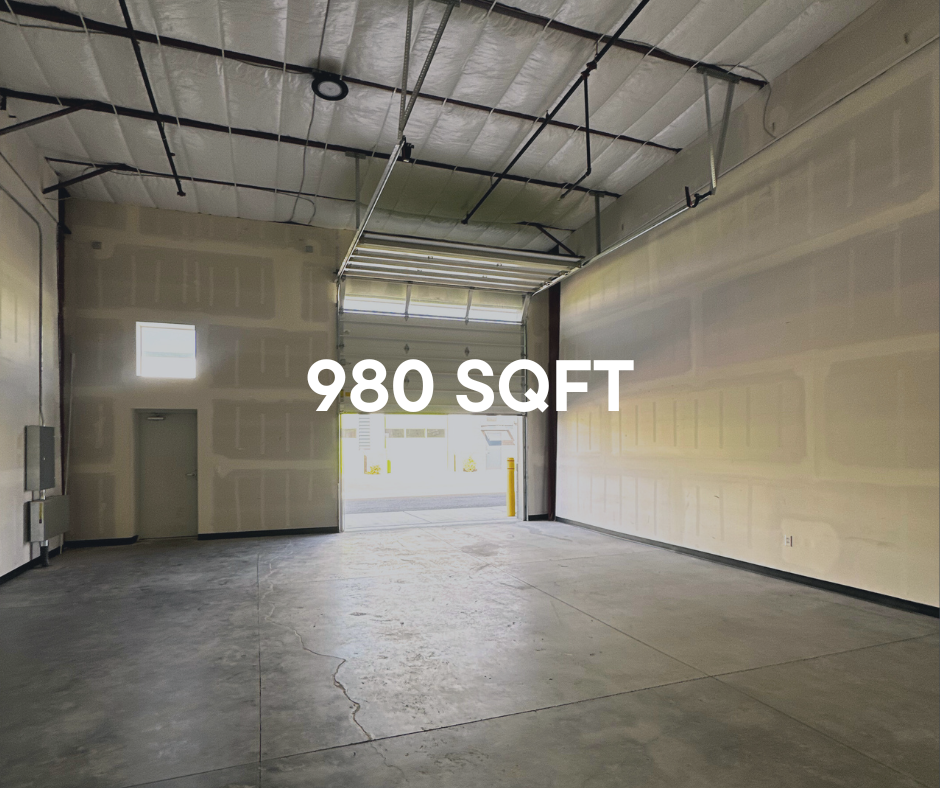
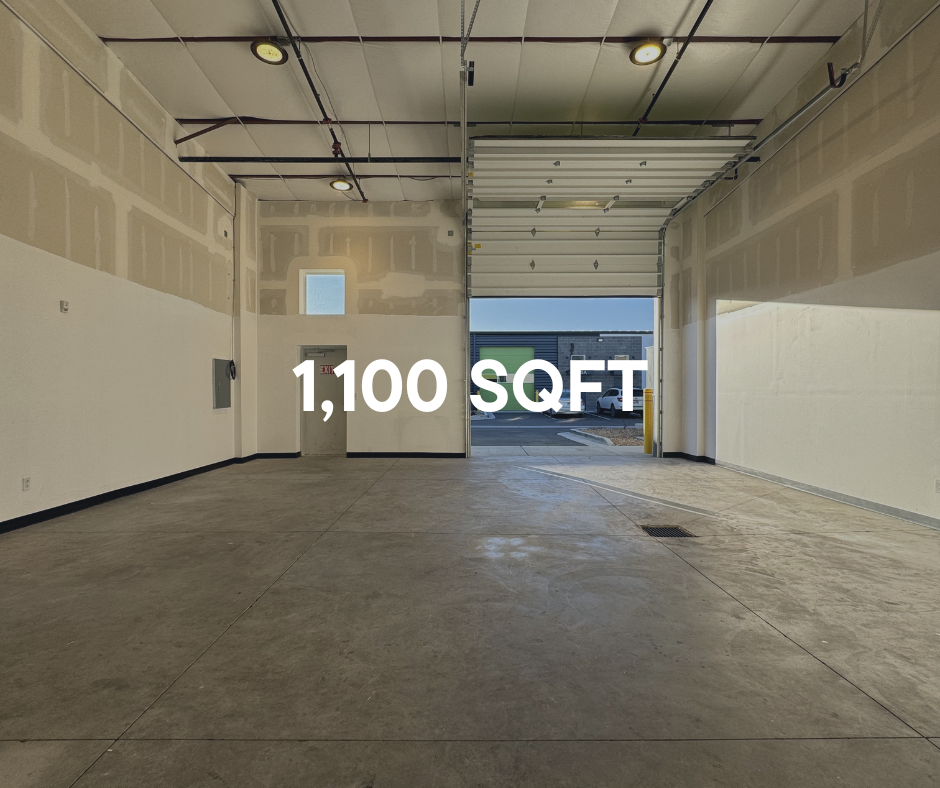
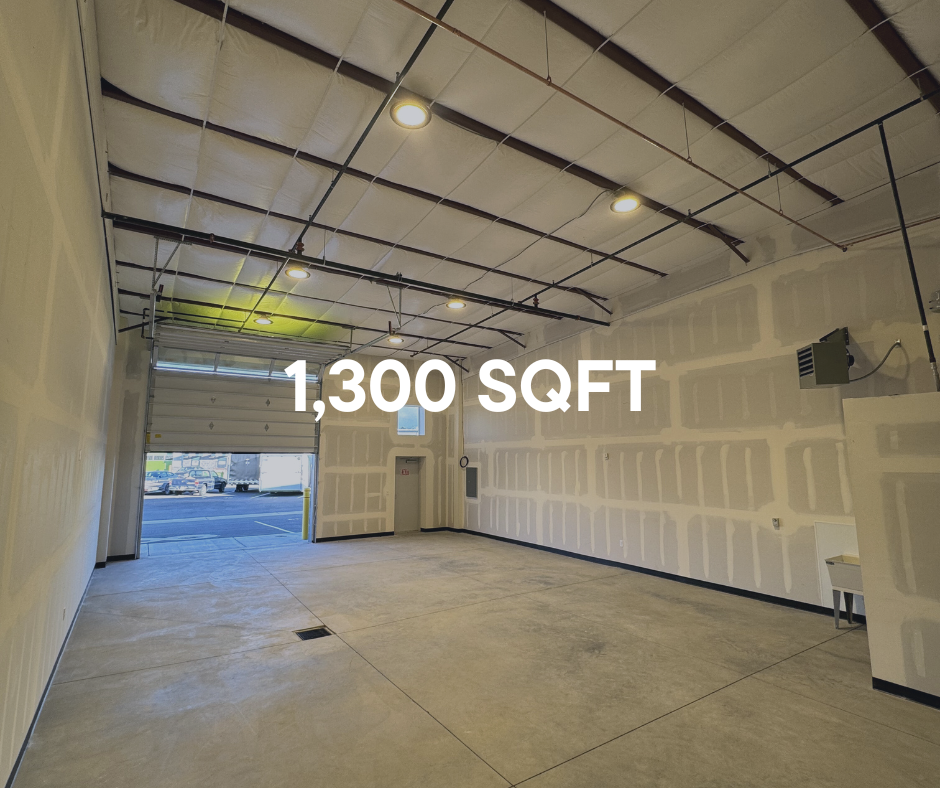
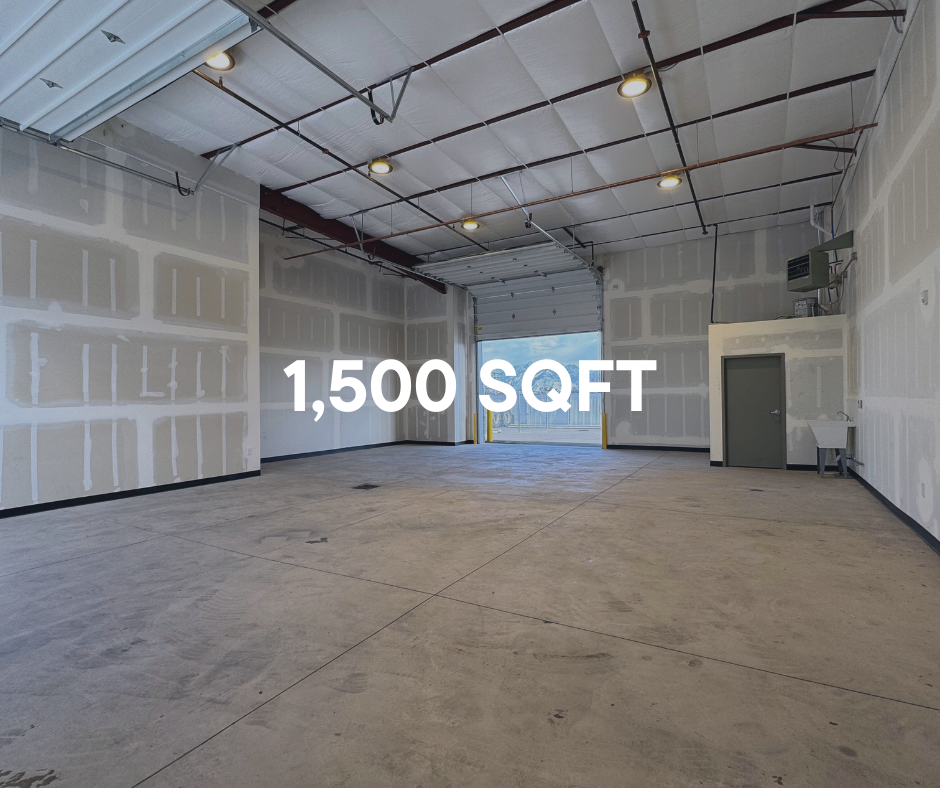
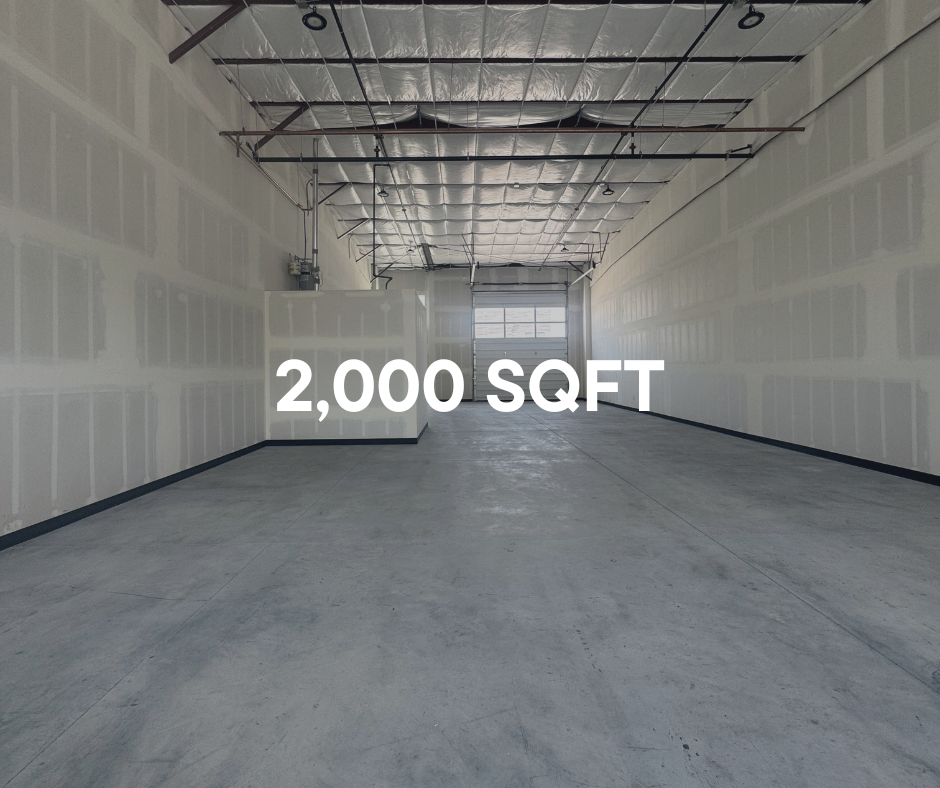
Warehouse Size by Business Type
Each business category has a different footprint driven by how it stores, stages, and moves inventory through the day.
Ecommerce Sellers
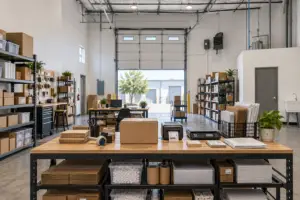
500 to 1,500 sq ftA solo seller with 50 to 200 active SKUs can usually operate in 500 to 800 sq ft with standard shelving, one packing station, and room for outbound staging. Once your catalog grows, palletized receiving becomes normal, or a second person joins the workflow, 1,000 to 1,500 sq ft becomes more realistic.
Contractors and Trades Businesses
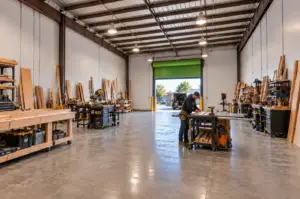
1,000 to 2,500 sq ftContractors usually need more floor space than inventory businesses because they are storing tools, charging equipment, staging materials, and managing vehicle access. A solo electrician or plumber with one truck often fits in 1,000 to 1,200 sq ft, while a crew based operation with multiple vehicles usually needs 1,500 to 2,500 sq ft.
Retail and Inventory Businesses
1,000 to 3,000 sq ftRetail, wholesale, and inventory led businesses often need the most space because receiving and staging take up real square footage. If you receive two to three pallets per week, plan for at least 400 to 600 sq ft of dedicated receiving and staging space in addition to your inventory footprint.
Food Prep and Packaged Food Businesses
600 to 1,500 sq ftFood prep, meal prep, and packaged food operations need room to lay out ingredients, pack efficiently, and meet commercial kitchen requirements. A solo operator can often start in 600 to 800 sq ft, while a growing meal prep or baking business with multiple prep stations and cold storage typically moves into the 1,000 to 1,500 sq ft range.
Service Businesses with Equipment
500 to 1,500 sq ftService businesses usually need secure storage plus room to prep before the day starts. A solo mobile detailer, landscaper, or event vendor can often run efficiently in 500 to 800 sq ft, while teams with trailers or larger equipment typically move into the 1,000 to 1,500 sq ft range.
Fitness and Training Businesses
800 to 2,000 sq ftFitness, training, and instruction businesses need open floor space for movement, equipment, and clients. A solo trainer or small studio can often start in 800 to 1,200 sq ft, while a growing operation running classes and one on one sessions typically needs 1,500 to 2,000 sq ft.
Barbers and Creators
500 to 1,200 sq ftBarbers, stylists, and multi lane creators need a clean, professional space that flexes between client work, content production, and education. A solo creator can often start in 500 to 800 sq ft, while those building beyond the chair into teaching, filming, or product typically move into the 1,000 to 1,200 sq ft range.
Real World Size Examples
These scenarios show how typical small businesses land on a specific square footage based on inventory, workflow, and team size.
Rule of thumb: Start at the lower end of your estimated range and leave yourself about 20 percent room to grow. Oversizing is expensive, while undersizing becomes disruptive only when you cannot adapt.
Common Mistakes When Choosing Warehouse Size
Most sizing mistakes fall into one of five patterns. Here is what to watch for before you commit to a unit.
You will probably grow into the unit faster than expected. Size for 12 to 18 months of projected volume, not only what is on hand today.
Inventory storage is only part of the footprint. Packing, staging, aisle clearance, and movement can add 200 to 400 sq ft to what you actually need.
Extra square footage costs money every month. It is usually smarter to start with the right size and keep flexibility to scale rather than paying for unused space.
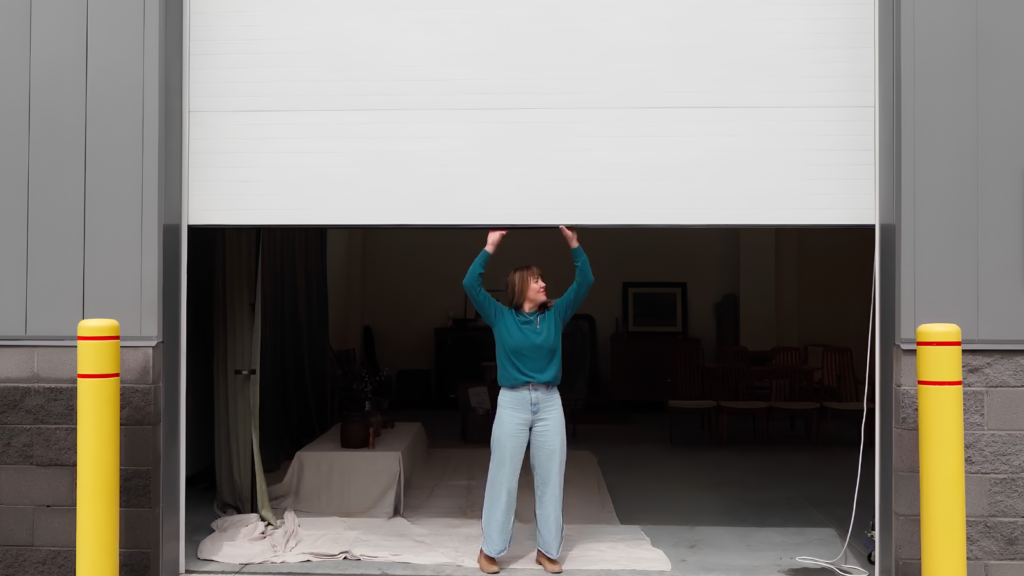
A unit can be the right size and still fail operationally if your truck cannot fit, deliveries are awkward, or door clearance is wrong. Always confirm access before you sign.
If your business doubles around peak season, average volume is the wrong planning number. Running out of room during your busiest months is the worst time to move.
How to Choose the Right Warehouse for Your Business
Estimate your inventory footprint: count active SKUs, storage method, and average depth per SKU.
Add workflow space: allow 200 to 400 sq ft for packing, staging, and movement beyond raw storage.
Size for growth: add 20 to 30 percent to your current estimate for the next 12 to 18 months.
Confirm access requirements: make sure door height, width, and layout work for your largest vehicle or deliveries.
Check zoning: confirm the unit supports business use, deliveries, and active operations if needed.
Choose a flexible lease: month to month terms reduce the cost of getting the size estimate slightly wrong.
Find the Right Warehouse Space
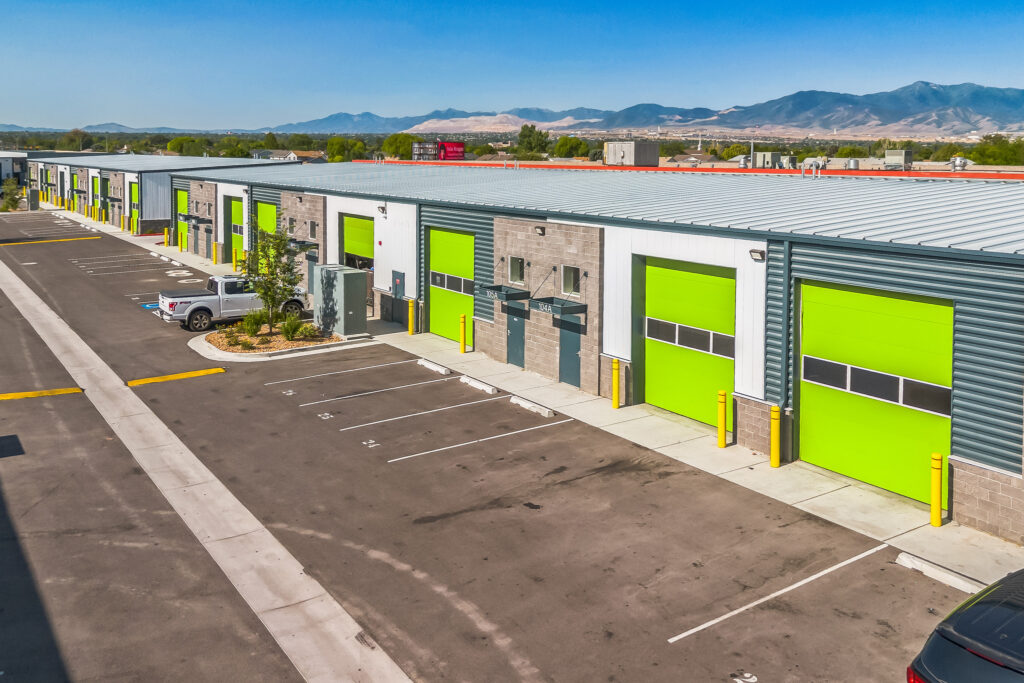
WorkBay offers private flex warehouse units from 500 to 2,500 sq ft across Texas, Arizona, Utah, and Florida, with month to month leasing, drive up access, and commercial zoning standard.
Frequently Asked Questions
A small warehouse is generally an industrial or flex space unit under 5,000 sq ft. For most small businesses, the most common range is 500 to 2,500 sq ft.
Most small businesses estimate inventory footprint by multiplying the number of pallets or shelving bays by their space requirement. A standard pallet position needs about 20 sq ft including aisle clearance, while a standard shelving bay usually needs 12 to 16 sq ft. Always add workflow and staging space on top of that.
Yes. With month to month leasing, moving into a larger unit is typically much easier than with a traditional industrial lease and often only requires notice plus larger unit availability. WorkBay’s flex lease structure is designed specifically for this.
Yes, 1,000 sq ft is enough for many small business operations. It usually works well for a solo ecommerce seller with 200 plus active SKUs, a single truck contractor, or a service business with moderate equipment storage. It can become tight if you receive frequent pallets, run a team, or have major seasonal spikes.