
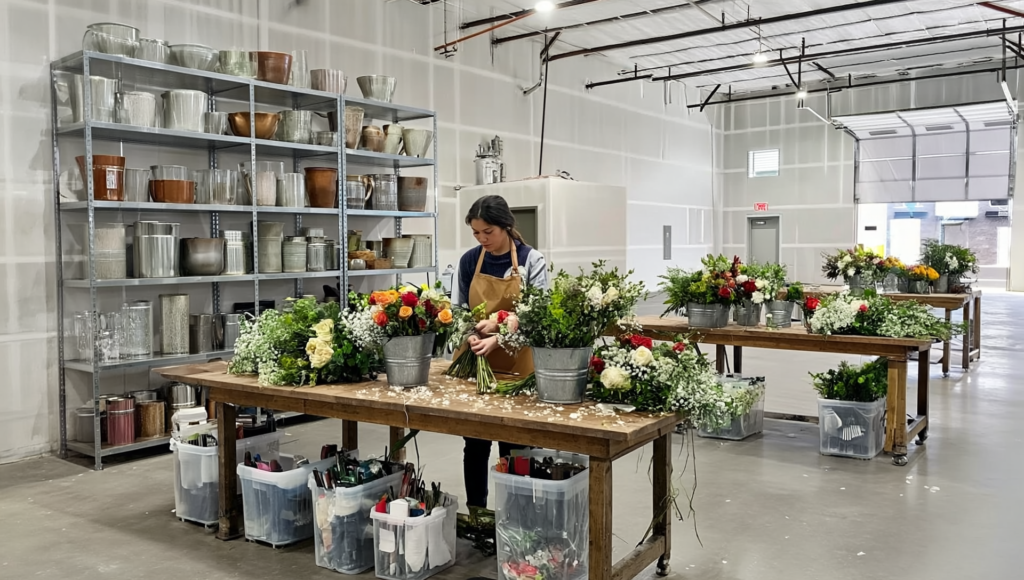
The garage is full. Buckets line the wall. Floral foam, ribbon spools, vases, and partially labeled event bins have taken over the spare bedroom. A 200 stem centerpiece order is due Saturday morning, and every surface in the house is doing double duty.
For a growing florist, this is the moment when the business starts to feel bigger than the space around it. The orders are real. The clients are real. The brand is starting to look professional online. But behind the scenes, the operation is still squeezed into rooms that were never meant to handle flowers, supplies, tools, staging, and delivery prep at the same time.
That is why florist storage is not just about finding a place to put extra inventory. It is about creating room to work like the professional business you are building.
The Short VersionFlorists use warehouse bays for bulk flower storage, arrangement staging, and delivery vehicle access, giving them space that a home garage or small storage unit cannot reliably provide.
What Florists Actually Need in a Professional Space
A working florist does not just need square footage. She needs a space that supports the way flowers actually move through the business, from receiving and conditioning to arranging, staging, loading, and delivery.
First, there is temperature management. Cut flowers are sensitive, and the window between fresh and past prime can be short. A garage that gets hot during a Texas summer is not a dependable place to stage stems before a wedding or corporate event. Every florist has to think seriously about the environment where flowers sit between delivery, design, and installation. When touring any professional workspace, confirm what conditions are available and what setup would support your flower care process.
Water access matters too. Conditioning fresh stems, filling buckets, washing tools, rinsing containers, and cleaning up after prep all require a workflow built around water. For a florist handling volume orders, this is not a nice to have. It is part of the job. Availability can vary by location and setup, so it is something to ask about directly when you tour a local WorkBay park.
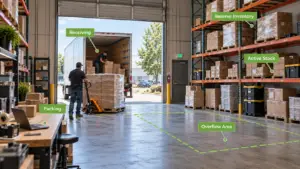
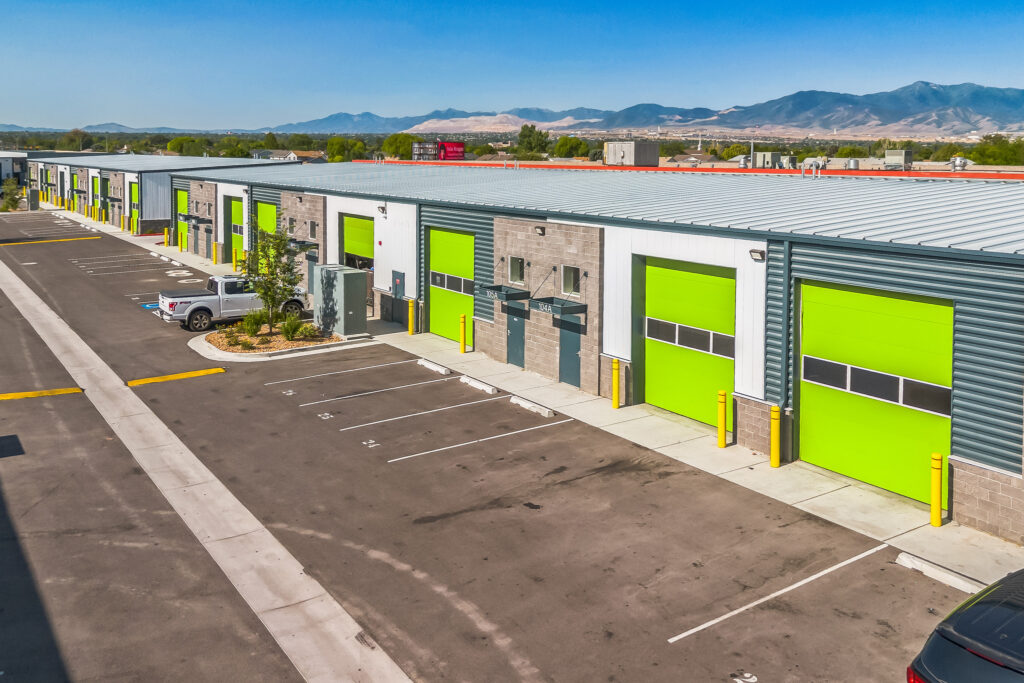
Vehicle access is another major requirement. A florist loading a delivery van at 5 a.m. for a Saturday wedding does not want to haul arrangements across a parking lot, through a hallway, or into a shared elevator. Ground level bay access changes the rhythm of the day. You can bring the van to the bay, load in order, and keep delicate arrangements moving with fewer handoffs.
Then there is staging room. Large event orders need space to breathe. Centerpieces, installations, ceremony florals, bouquet boxes, and reception pieces all need to be organized before they leave. When everything is stacked on top of everything else, mistakes happen. A professional florist workspace gives each order a place to sit, be checked, and be loaded.
Finally, florists need secure inventory space. Vases, compotes, candles, frames, hardgoods, foam, ribbon, tools, packaging, and specialty containers represent real money. When those supplies are spread between a house, garage, vehicle, and borrowed storage, it becomes harder to know what you have, what is missing, and what needs to be reordered.
The right space helps a florist protect the business she has already built, while giving her room to take on what comes next.
How Florists Set Up their Studio Space
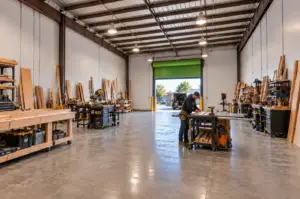
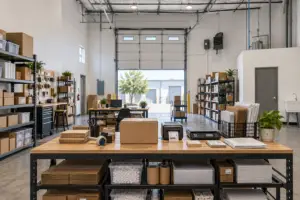
A florist workspace gives florists a flexible base for the parts of the business that need more room than a home setup can provide. Think of it less like a blank storage unit and more like a small operational hub, shaped around the way orders move from intake to delivery.
Before a florist moves in, the space is open. That is the point. It can become what the business needs, without forcing the workflow into a retail storefront or a shared studio calendar. A typical setup breaks the bay into four working zones:
ZONE 01Conditioning
Where fresh stems land first. Buckets grouped by variety, event, or timing so product never spreads into every corner of the bay.
ZONE 02Arrangement
The working heart of the studio. A sturdy work surface with clippers, tape, wire, ribbon, foam, and mechanics within reach.
ZONE 03Staging
Finished pieces organized by event, route, or installation timing. Ceremony pieces, reception florals, and bouquets ready to load.
ZONE 04Storage
Hardgoods kept out of the work area. Vases, compotes, frames, packaging, candles, and seasonal supplies labeled and accessible.
See It in Person Book a tour at your nearest WorkBay park. Book a Tour →Planning Around Peak Season in a Florist Warehouse
Florists do not grow in a straight line. The calendar has peaks, rushes, and pressure points.
Peak Windows for Florists Valentine’s DayFebruary Mother’s DayMay Spring WeddingsApril to June Prom SeasonApril to May Corporate EventsYear round Holiday InstallsNovember to DecemberDuring those windows, the business can feel completely different from a slower month. One week, the home setup feels manageable. The next, every bucket, table, shelf, and vehicle is full.
That is where a flexible florist warehouse setup can make sense. You may not need a full retail storefront all year. You may not want to build the business around the biggest week you might ever have. But you do need a professional space that can absorb the real volume you are already seeing. Check out: Month to Month Warehouse Rentals: Are They Worth It?
A florist warehouse gives you a base that fits the way seasonal businesses operate. You can organize supplies before the rush hits. You can stage event work without turning the house into a production floor. You can keep tools, hardgoods, and packaging in one place, instead of spreading the operation across closets, garages, and vehicles.
Just as important, the space is consistent. You are not rotating in and out of a shared space or rebuilding your workflow every time you have a big order. Your tables, shelves, labels, bins, and staging areas can stay where they belong.
That consistency matters when you are conditioning flowers early in the morning before an event. It matters when a client adds pieces late in the week. It matters when you are trying to train help for peak season and need the space to make sense to someone besides yourself.
For a florist building a serious business, the goal is not always to get the biggest possible space. It is to find the right amount of space for where the business actually is, with room to grow into the next season.
When Florist Studio Rental Is Not Enough
A florist studio rental can be helpful for design days, styled shoots, workshops, or occasional project work. But as volume grows, the limits of a temporary or shared setup become more obvious.
A florist with regular weddings, recurring corporate clients, market prep, and seasonal demand needs more than a pretty room for arrangements. She needs operational control.
She needs to know where the vases are. She needs to keep supplies organized from one event to the next. She needs space that can hold unfinished work, finished work, and tomorrow’s product without asking permission or racing the clock.
That is one reason many florists start looking beyond traditional studio rental and toward a dedicated workspace. The appeal is not just privacy. It is continuity.
Your supplies can stay shelved. Your tools can stay in place. Your bins can stay labeled. Your staging process can become repeatable. Over time, that repeatability turns into fewer mistakes, faster prep, and a more professional experience for clients.
Brand image is not only what appears on Instagram. It is also the feeling behind the scenes when a client drops by, a planner asks for a last minute change, or a team member comes in to help prep for the weekend.
A professional base helps the business feel like the business it has already become.
Not Just Florists: Other Creative Pros Who Use WorkBay
Florists are not the only creative professionals who outgrow the home setup before they are ready for a traditional storefront.
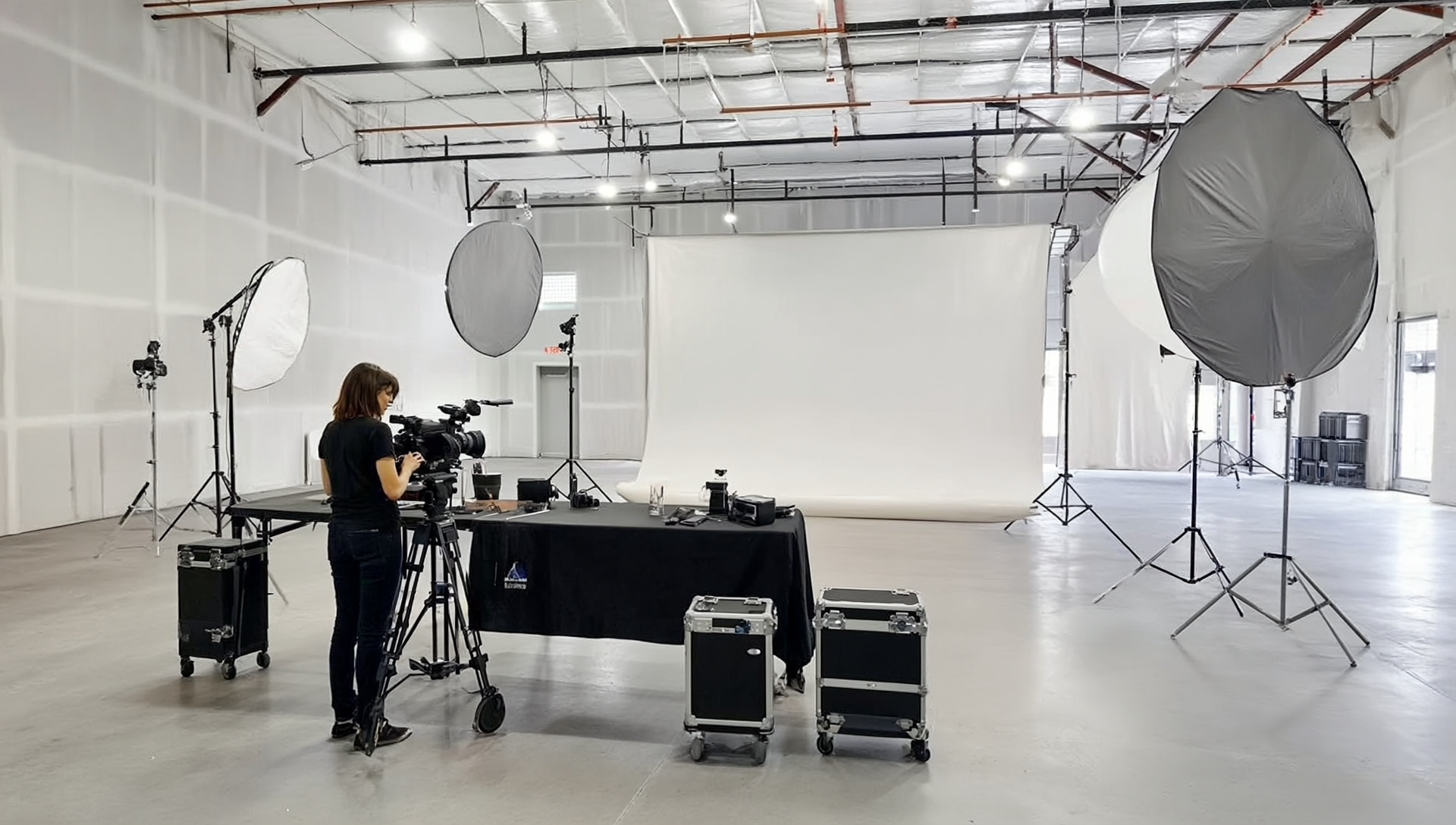
Photographers
Need room for gear, props, backdrops, packaging, and shoot staging away from the living room.
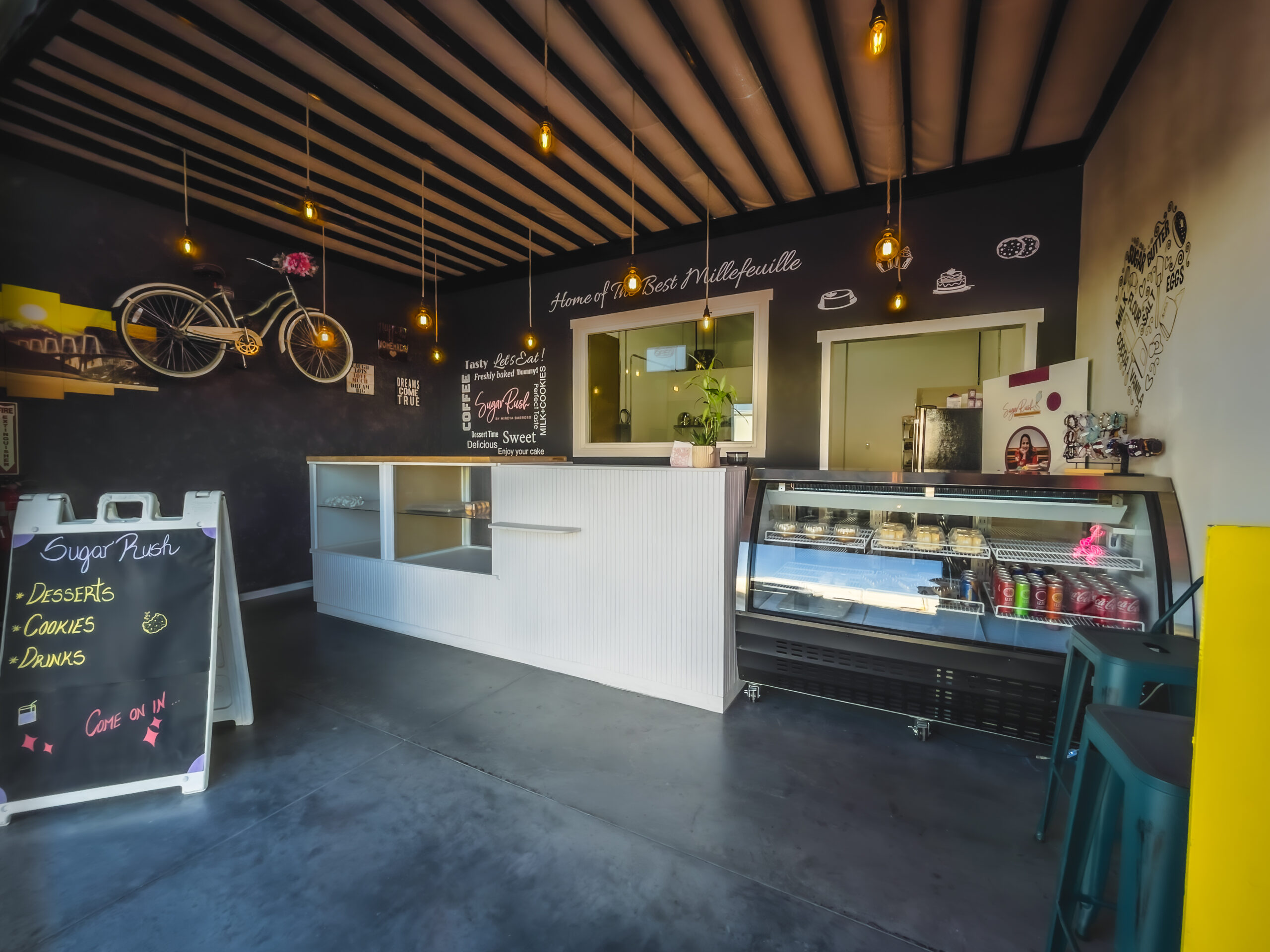
Bakers and Food Producers
Reach a point where the business side needs more storage, organization, and loading space than a home can support.
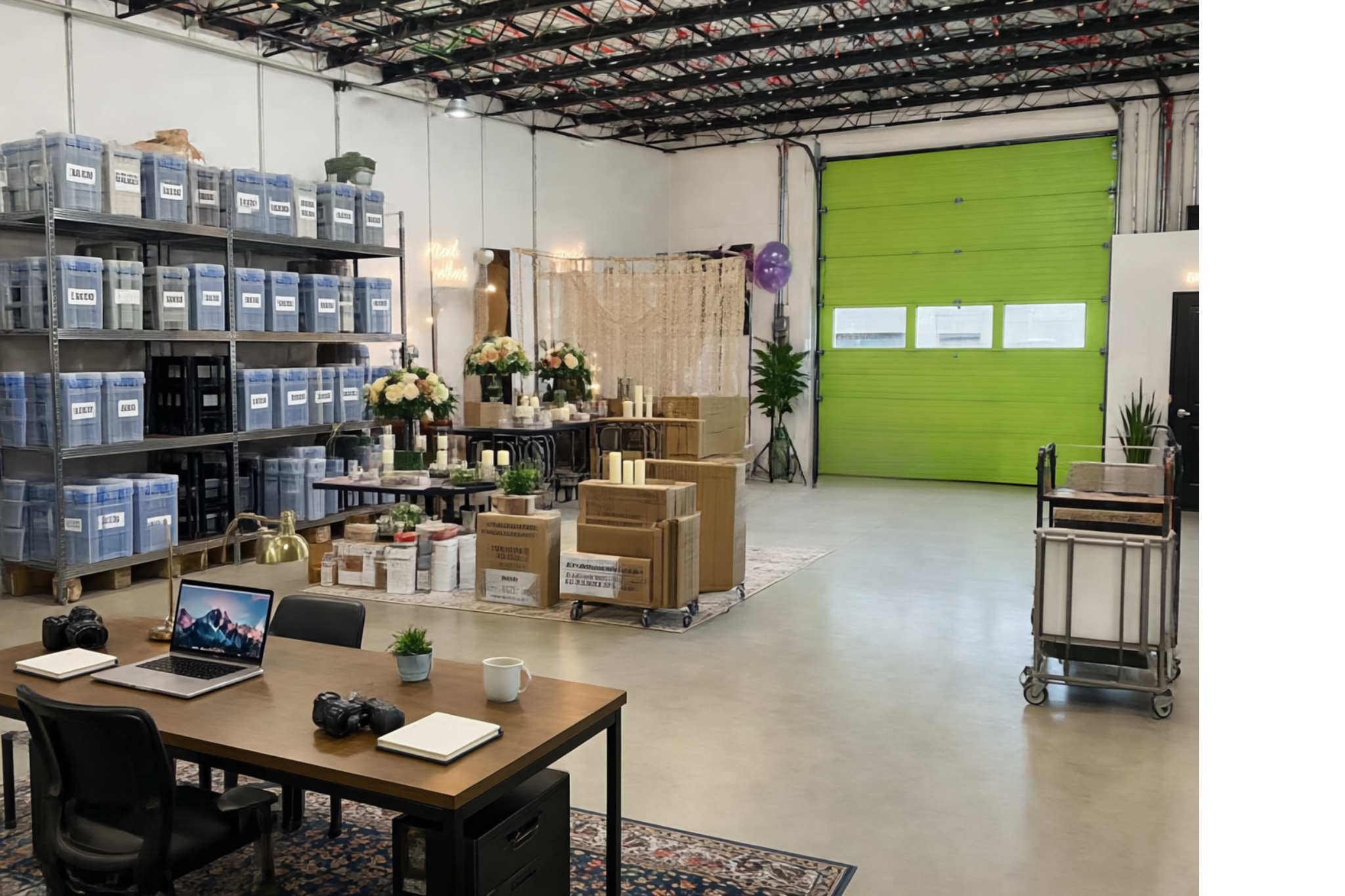
Event Planners
Manage rental inventory, signage, decor, candles, linens, and installation supplies in one organized place.
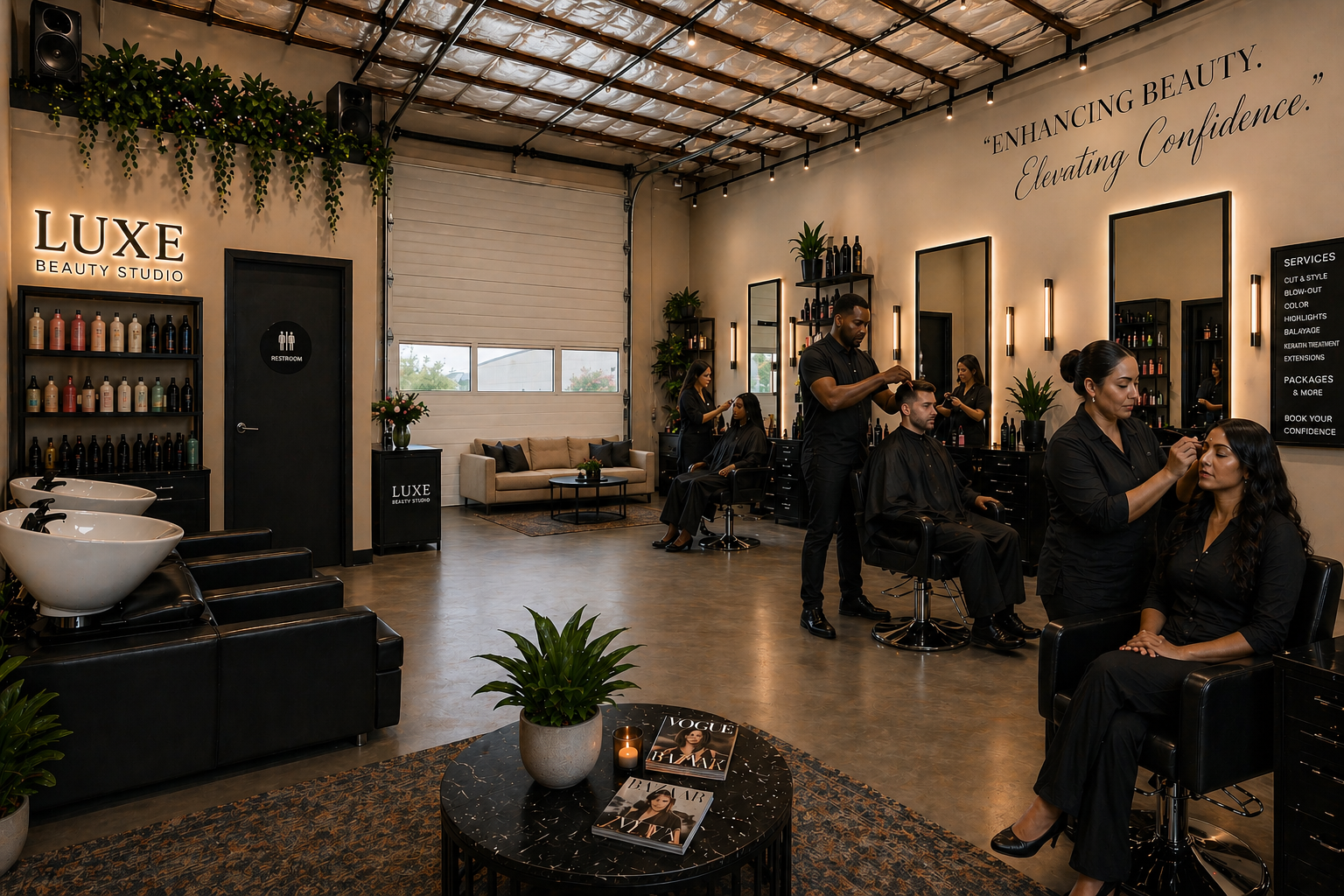
Beauty Salons
Store retail product inventory, color supplies, and event kits without crowding the salon floor or pulling double duty at home.
Ready to Grow?Find Room to Bloom
Wedding season does not wait. Find a WorkBay park near you and see what a real florist setup looks like in person.
Find a Park Near You → or schedule a tourAbout WorkBay
WorkBay is a flex warehouse company built for small business owners who make, fix, store, and ship. Our parks across Utah, Arizona, Texas, and Florida give contractors, e commerce sellers, makers, and creative pros the space and amenities they need to run a real operation without committing to a long term industrial lease.
Month to month flexibility. Ground level bay doors. Find a park near you.
Can florists use warehouse space as a floral studio?
Yes. Florists can use warehouse space as a floral studio when they need room for stems, vessels, supplies, worktables, event pieces, delivery prep, and seasonal inventory. A WorkBay-style bay is especially useful for florists who do not need a traditional retail storefront but do need private space to store, prep, stage, and load arrangements.
How much space does a florist need for storage and floral prep?
Many small florists can start with a compact bay if they mainly need storage, a prep table, shelving, and room to stage outgoing arrangements. Florists who handle weddings, installations, corporate events, or seasonal inventory may need more room for arches, stands, buckets, vases, coolers, packaging, and delivery staging. The right size depends on how much inventory you keep and how much prep happens on site.
Is warehouse space better than self-storage for florists?
Warehouse space is usually better than self-storage when florists need to work in the space, not just store items. Self-storage may be fine for extra vases, decor, or seasonal supplies, but it usually is not built for daily prep, loading, deliveries, refrigeration, or crew movement. A bay gives florists room to organize, build arrangements, stage orders, and load vehicles.
Can florists keep flowers refrigerated in a WorkBay bay?
Florists may be able to use refrigeration or floral coolers in a WorkBay bay, depending on the equipment, power needs, layout, and location rules. Before choosing a space, confirm whether the bay can support your cooler, electrical requirements, ventilation needs, and any water or drainage requirements for your workflow.
When should a florist move out of a home garage or spare room?
A florist should consider moving out of a home garage or spare room when supplies are taking over the house, event pieces are hard to organize, orders are difficult to stage, deliveries are disruptive, or seasonal work creates too much overflow. Another sign is when setup and cleanup take more time than the floral work itself.
What features should florists look for in a studio or storage space?
Florists should look for secure storage, enough floor space for worktables, shelving for supplies, room for buckets and vessels, power for coolers or tools, easy vehicle access, parking, flexible lease terms, and space to stage outgoing orders. Event florists may also need room for arches, stands, signage, candles, rental pieces, and seasonal decor.