
Most contractors think a home based business is either fully legal or completely off limits. Fort Worth’s rules aren’t that simple.
A plumber, electrician, landscaper, or remodeler may be allowed to run a business from home. Whether you actually stay compliant depends on how the property operates day to day: how many people come and go, where the trucks park, whether anyone can see tools from the street, and whether the work throws off noise or dust. You can be registered, insured, and still break residential zoning because of how you run things.
Here’s what the ordinance allows, where contractors usually slip out of bounds, and how to tell when the business has outgrown the house.
What Counts as a Home Occupation
Fort Worth allows a home occupation as long as it stays incidental and secondary to the property’s use as a residence. In plain terms, the house still has to work and look like a home. It can’t quietly turn into a contractor yard, a repair shop, or an employee dispatch center.
Texas law also protects certain “no impact home based businesses” from city permit and rezoning requirements, but only if you stay within the property’s occupancy limit, avoid creating street parking or heavier traffic, and keep the business out of view from the street. Fort Worth layers its own operating standards on top of that.
Incidental to the residence
A shelf of hand tools in the garage. The work stays inside, out of view from the street.
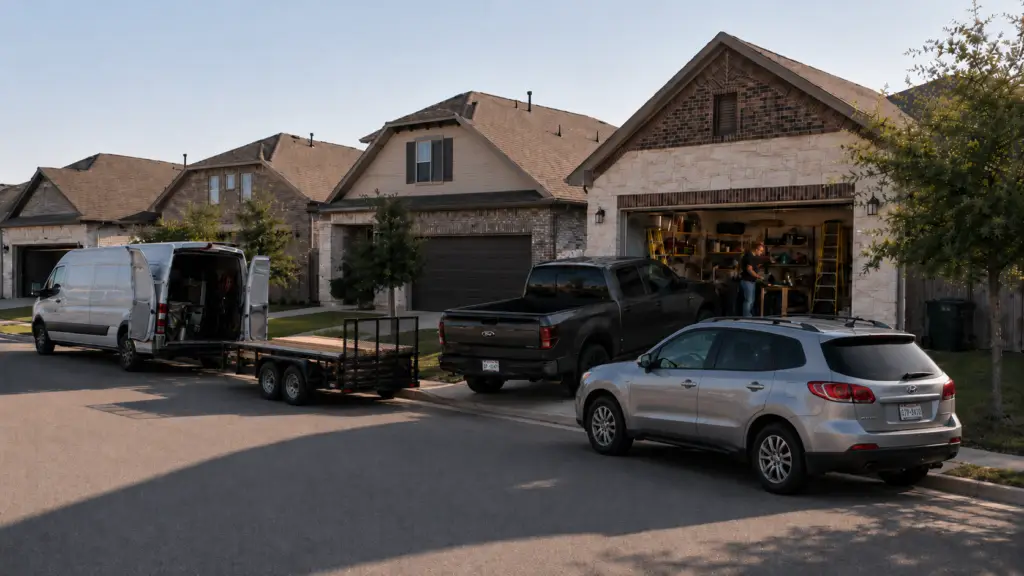
One truck in the driveway, no employee cars stacking up at the curb.
Nothing about the property reads as anything other than a house.
Outgrowing residential limits
Equipment and materials spilling out where the road can see them.
A trailer at the curb for hours, a crew meeting at the house, deliveries rolling in.
The garage runs machinery you wouldn’t find in a home, and neighbors notice.
Where Contractors Slip Out of Compliance
Four limits do most of the work, and each one is easy to cross as the business grows.
The work has to stay contained. Most activity has to happen inside the house, an attached garage, or one accessory building, and it generally can’t be visible from the street. That includes equipment, materials, and supplies, even items stored on your vehicles. For a contractor, ladders, pipe, lumber, or a trailer sitting where the road can see them is a problem. Signs and window displays are out too.
People on the property are capped. Fort Worth changed this in 2025, dropping the old one employee limit and the council approval process. Now the combined number of residents, employees, customers, and visitors can’t exceed the dwelling’s permitted occupancy. That gives you a little more room, but a crew meeting at the house every morning or customers cycling through for estimates can still push you past it.
Traffic and parking are where it gets real. You can spend all day at job sites and still create a problem at home. A home occupation can’t generate more traffic than you’d expect in the neighborhood or create parking congestion for the people nearby, and neighbors can ask the city to review your traffic impact. One truck probably doesn’t turn a home into a commercial operation. Several trucks, daily deliveries, employee cars, and repeat client visits add up to something else.
Equipment and the garage have limits too. Using the garage for business doesn’t erase the residential standards. You can’t make structural changes to meet commercial construction codes, and machinery generally has to be the type and size you’d find in a home. It can’t throw off noise, dust, fumes, vibration, or glare past the property line. That’s the line between keeping hand tools at home and running a fabrication or paint operation out of the garage. Fort Worth doesn’t allow auto repair, detailing, paint, or body shops as home occupations at all.
One more update worth knowing: the city removed its restriction on direct customer sales in 2025. You can sell from home now, but signs and visible displays are still off limits, and customer visits still count toward your occupancy and traffic limits.
Growth Turns a Compliant Setup Into a Problem
A contractor might start with a laptop, one truck, and a shelf of tools. Then a second truck shows up, an employee starts meeting at the house, materials arrive in bigger loads, and the garage fills up until inventory spills into the driveway.
Nothing changed overnight, but the business may no longer fit the conditions that made it acceptable as a home occupation. That’s the thing to understand about home based zoning: it’s an operating limit, not permanent approval. You’re allowed at home while your impact stays small, and growth quietly changes that answer.
A laptop, one truck, and a shelf of tools in the garage.
A second truck shows up. Materials arrive in bigger loads.
An employee starts meeting at the house. A trailer parks outside.
The garage fills up and inventory spills into the driveway.
Out of complianceWhat’s at Stake
Zoning violations aren’t just a paperwork headache. Fort Worth allows fines of up to $2,000 per offense, and each day a violation continues can count separately. A single neighbor complaint can bring parking, noise, or visible storage to the city’s attention.
Insurance is the other risk. The Texas Department of Insurance warns that a home policy probably won’t cover accidents tied to a business, and homeowners policies commonly limit coverage for business property and liability. The practical concern is simple: your tools, inventory, and any injury on the property may not be covered the way you’d expect.
What’s on the line when the business no longer fits
A Quick Test for Fort Worth Contractors
Run through three parts of your operation. Do employees or customers come to the house, and do trucks or trailers change the street’s normal traffic? Can neighbors see tools, materials, or equipment from outside? Are you running machinery you wouldn’t find in a home, or creating noise, dust, or fumes past the property line?
A “yes” doesn’t automatically make the business illegal. It does mean the setup deserves a closer look before a complaint, an inspection, or an insurance claim forces the issue.
People and vehicles
Visibility and storage
Work and equipment
Check the boxes above to see where your setup stands. The more that apply, the more a dedicated space is worth a look before a complaint or claim forces the issue.
Book a TourWhy a Dedicated Space Fixes This
Fort Worth describes zoning as a way to keep incompatible uses apart, and residential neighborhoods weren't built to absorb regular commercial deliveries, employee parking, equipment storage, trailers, and noisy work.
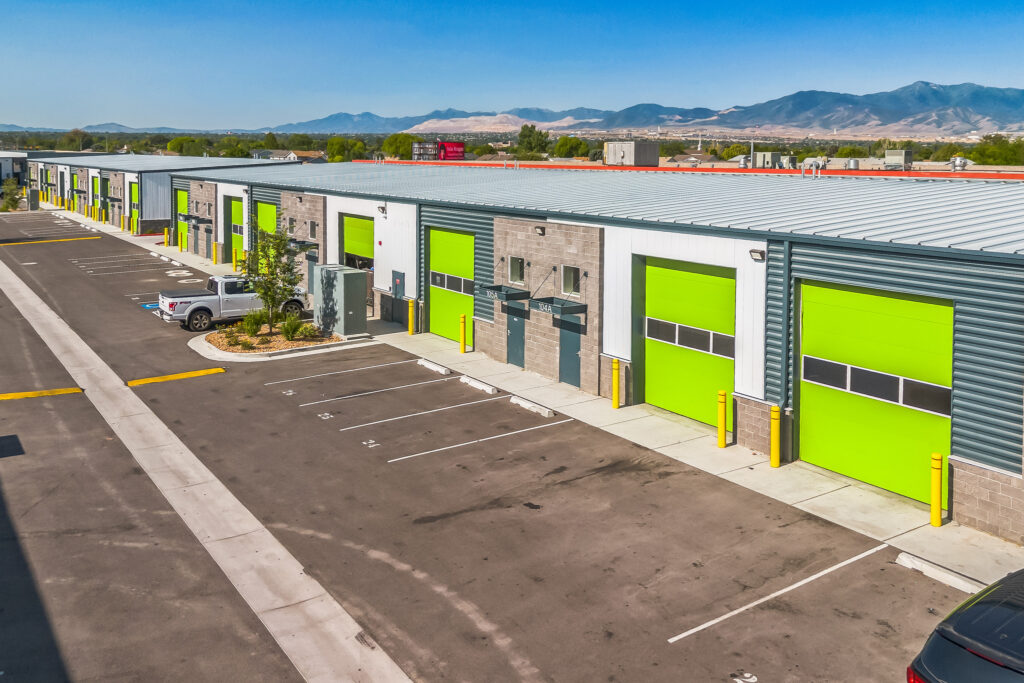
A dedicated warehouse space moves those activities off the street where you live. Trucks arrive without taking the neighbor's curb, materials don't have to hide behind a residential fence, employees have a clear place to report to, and customers aren't being sent to a private home. That's why growing Fort Worth contractors are moving into small warehouse space instead of trying to keep the whole operation inside residential limits.
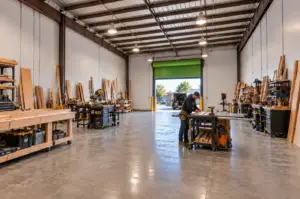
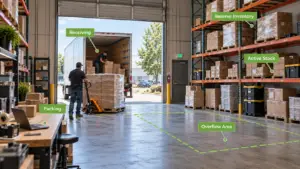
The value shows up in the daily details. You keep your bench where it belongs, label shelving the way your crew works, and set up a receiving or staging area without working around a shared aisle or another tenant.
Find the Right Fit
If a dedicated bay sounds like the next step, the move is a tour. No forms, no sales pitch, just a look at whether the layout, access, and location match how you actually work.
Three Fort Worth locations to compare
Each park has its own layout, power, and access. Pick the side of town closest to your work, then book a tour to see the space in person.
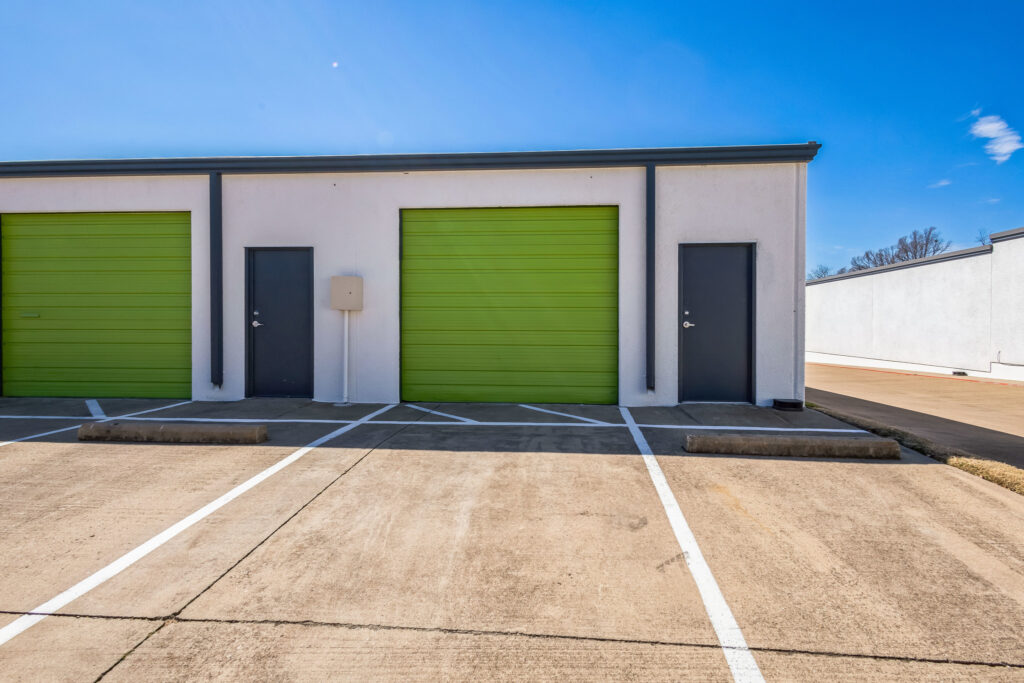
WorkBay Southwest
4412 Southwest Blvd
Fort Worth, TX 76116
Flex units in a high demand corridor off Highways 183 and 377, built for trades, distribution, and storage.
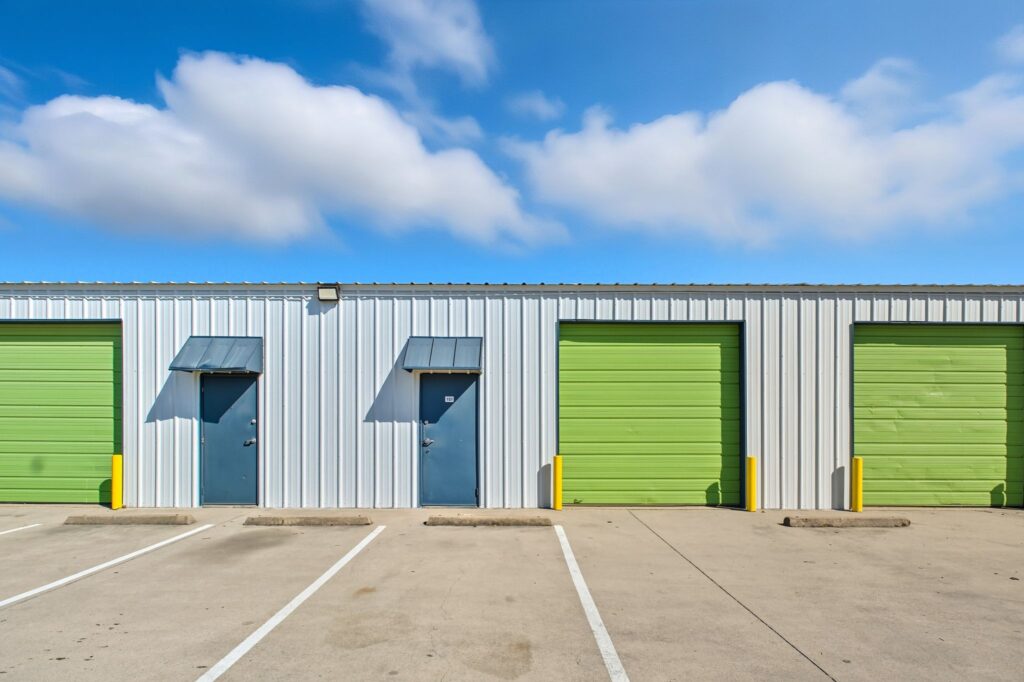
WorkBay Strickland
5012 David Strickland Rd
Fort Worth, TX 76119
Adaptable units with heavy 3 phase power and private restrooms, with the option to combine suites as you grow.
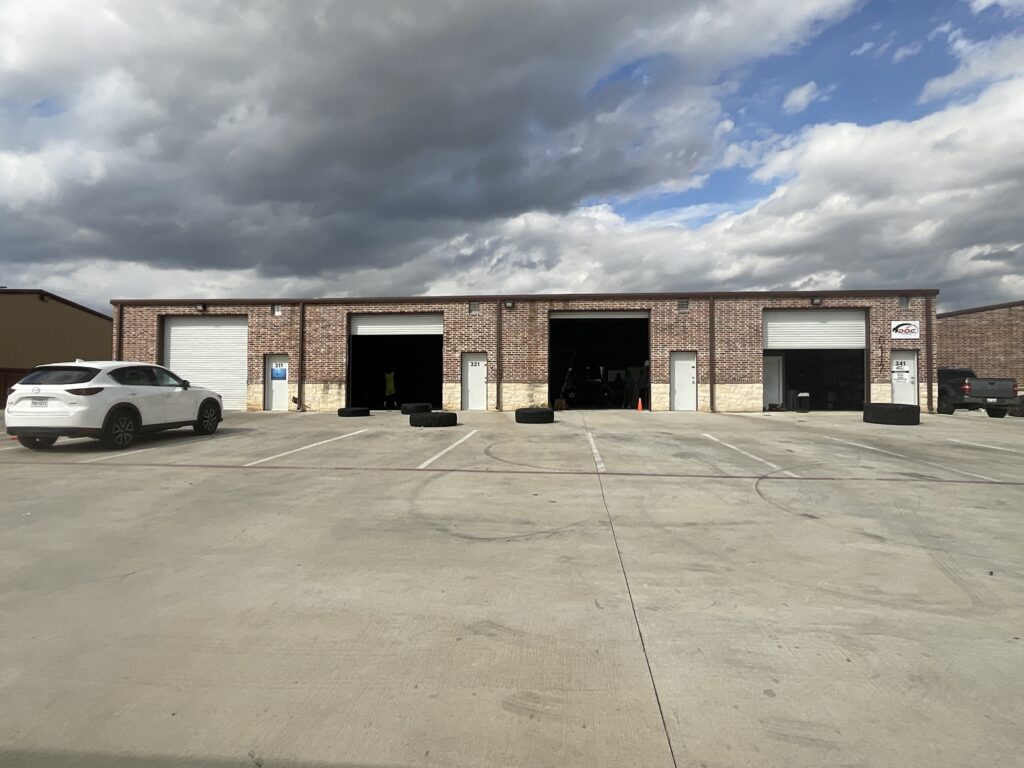
WorkBay Willard
6125 Willard Rd
Fort Worth, TX 76119
Trade ready flex space on the growing east side, made for contractors storing equipment and materials.
WorkBay has three Fort Worth locations. WorkBay Southwest sits in a high demand corridor on the west side, WorkBay Strickland offers adaptable units with heavy power on the southeast side, and WorkBay Willard has trade tough flex space on the east side. Features and availability vary by park, so the best next step is always to check the specific location.
Your home may be where the business started. It doesn't have to absorb every truck, employee, delivery, and piece of inventory as the company grows. Find the location that fits your operation and book a tour.
Room to grow, off your street
Your home may be where the business started. It doesn't have to absorb every truck, employee, delivery, and piece of inventory as the company grows.
Book a TourFort Worth Home Based Zoning FAQ
Sometimes. The city allows a home occupation as long as it stays incidental to the home's use as a residence. Employees, customer visits, visible storage, traffic, and noisy equipment can each push you out of compliance even when the business is registered.
Fort Worth changed this in 2025. Instead of a fixed cap, the combined number of residents, employees, customers, and visitors can't exceed the dwelling's permitted occupancy. A crew meeting at the house each morning can pass that fast.
Yes. The ordinance lets residents request a review of a business's traffic impact, and a complaint can bring parking, noise, or visible storage to the city's attention. Fines can reach $2,000 per offense.
Probably not the way you'd expect. The Texas Department of Insurance warns that a home policy likely won't cover business related accidents, and homeowners policies commonly limit coverage for business property and liability. Confirm your situation with your insurer.
When residential limits start costing you. If you're adding trucks, employees, or inventory faster than the property can hold, a dedicated space moves those activities off your street. WorkBay has three Fort Worth locations to compare on a tour.