
If you’re a plumber, electrician, HVAC tech, welder, or any kind of tradesperson, your workspace isn’t just where you store your gear — it’s the engine room of your entire operation.
A bad bay costs you time, money, and jobs. A trade-ready bay keeps you moving, organized, and professional from day one.
So what actually makes a bay trade-ready? It’s not just four walls and a roll-up door. Here’s exactly what to look for before you sign a lease — and why each feature matters more than you might think.
What “Trade-Ready” Actually Means for Contractors
For most tradespeople, “good enough” space isn’t good enough. You’re loading and unloading heavy equipment, working with chemicals or power tools, keeping a running inventory of materials, and potentially meeting clients or subs face-to-face.
A trade-ready bay checks every one of those boxes. It’s built for the way the trades actually work.
Here’s what that looks like in practice:
- Space to move freely with equipment, carts, or material boards
- Reliable access any time of day (not just 9-to-5)
- Infrastructure that handles real power demands
- A secure place your tools and inventory are safe overnight
- A professional address you can actually use for your business
If a space can’t support those fundamentals, it will slow you down — no matter how cheap the rent is.
1. The Right Size and Layout — Not Too Big, Not Too Small
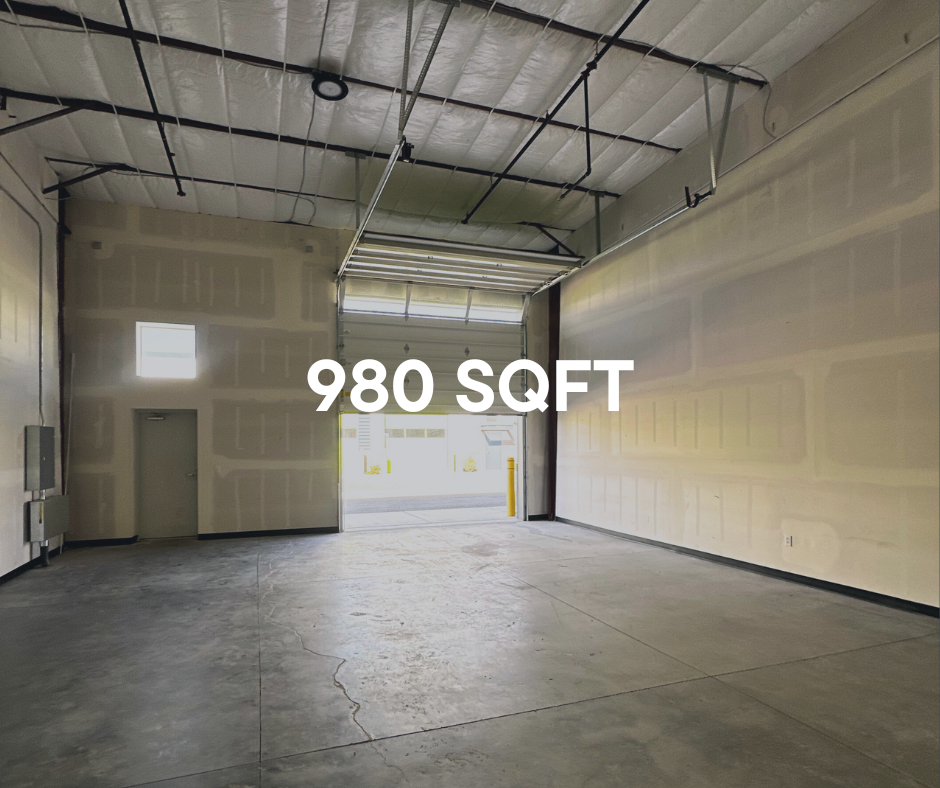
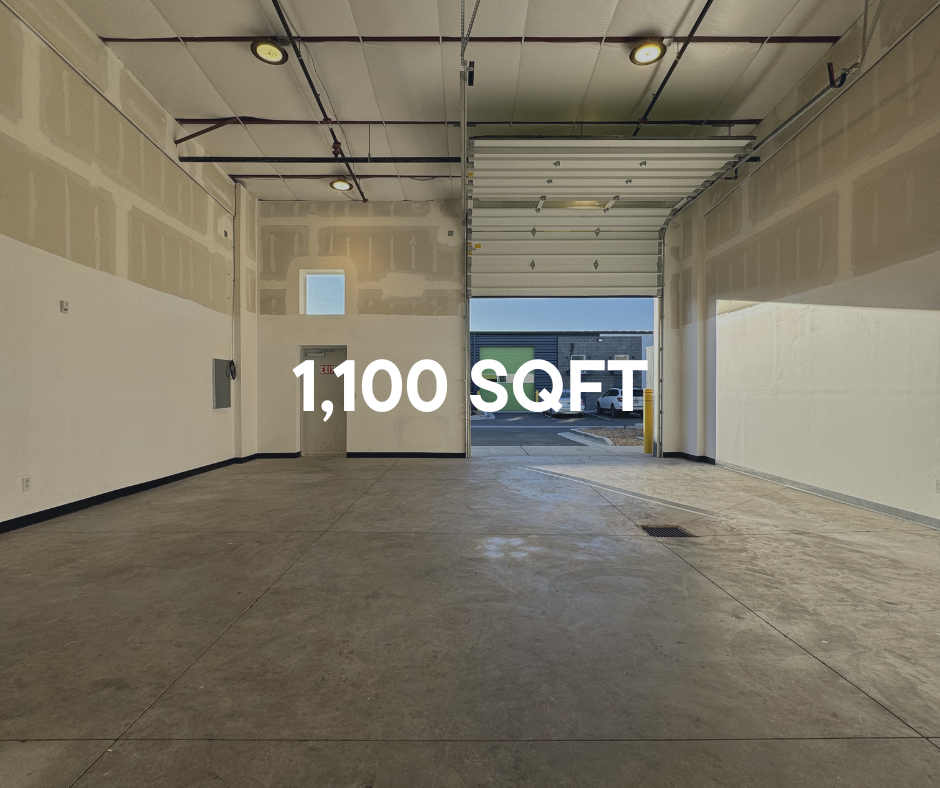
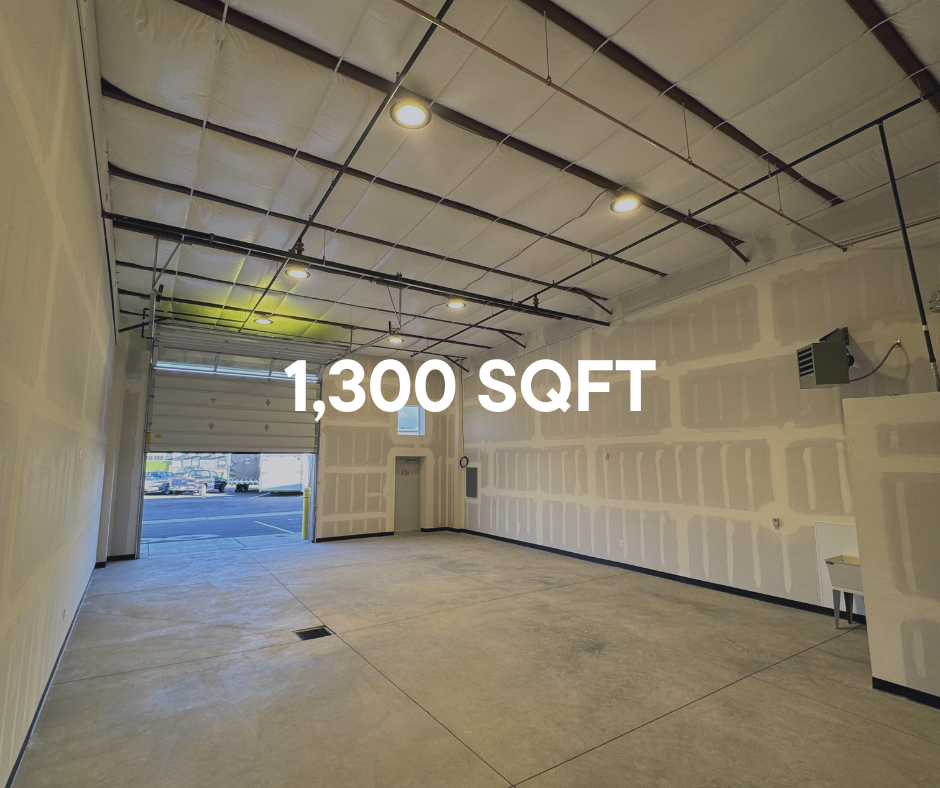
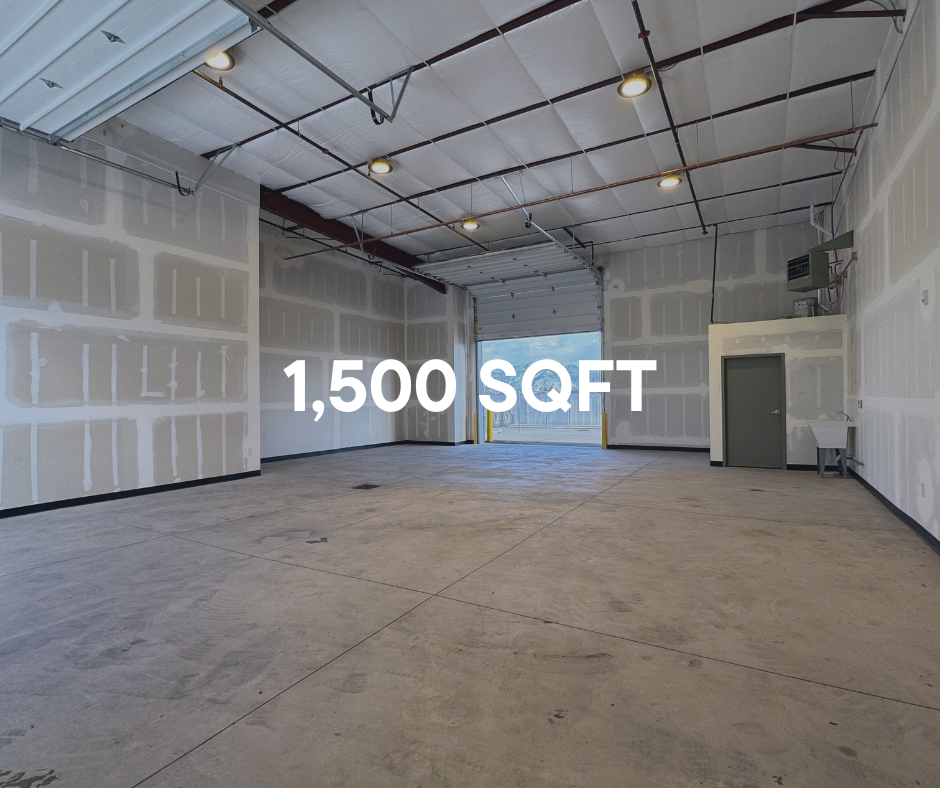
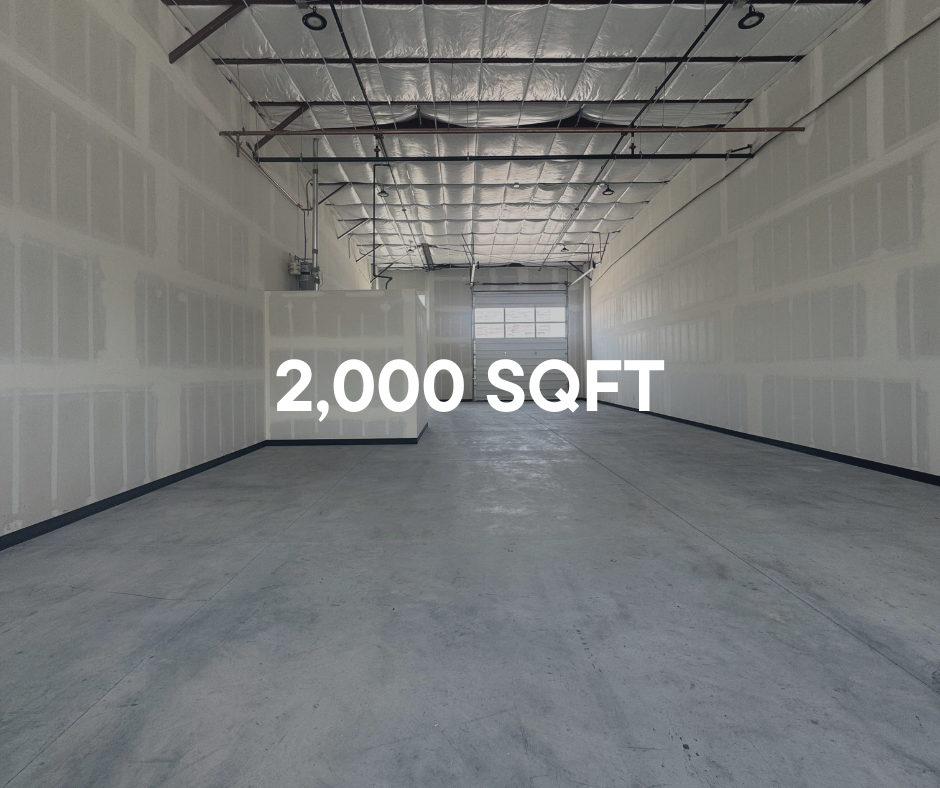
Tradespeople often make the mistake of choosing the smallest (cheapest) bay available — then outgrowing it in six months.
What to look for:
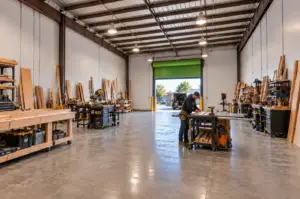
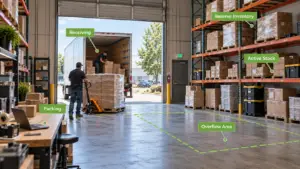
- Enough floor space for your largest equipment, vehicle storage if needed, and a dedicated staging area for materials going out on jobs
- An open layout you can customize — add shelving, a workbench, a pegboard wall, or a small desk area without fighting against fixed walls
- Ceiling clearance that fits ladders, pipe lengths, ductwork rolls, or anything vertical you store
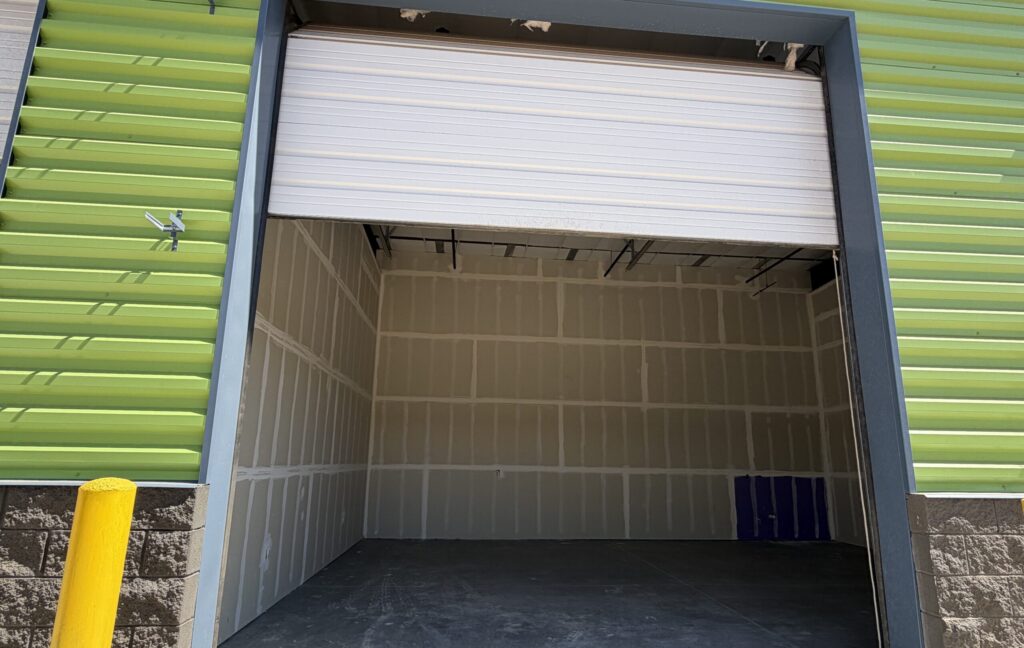
- A roll-up door wide and tall enough for vans, box trucks, or trailers to load without the daily obstacle course
Tip: Think about how you actually move through your workspace during a typical workday. Walk that route mentally before you sign. If it’s crowded in your head, it’ll be crowded in real life.
2. Access and Security — Because You Work Before the Sun Comes Up
Most contractors don’t work 9-to-5. Early morning load-outs, late-night project wrap-ups, weekend emergency calls — your bay needs to be available when you need it, not when an office decides it should be open.
What trade-ready access looks like:
- 24/7 entry — no exceptions, no scheduling required
- Security cameras on-site so your tools and materials are protected when you’re not there
- An onsite manager who’s actually reachable when something comes up — a broken bay door, a package delivery, a lock issue
- Good lighting in parking areas and around entry points — especially critical for early dark mornings or late arrivals
Your tools are your livelihood. A space that can’t protect them overnight isn’t a trade-ready space, it’s a liability.
3. Power, Utilities, and Infrastructure
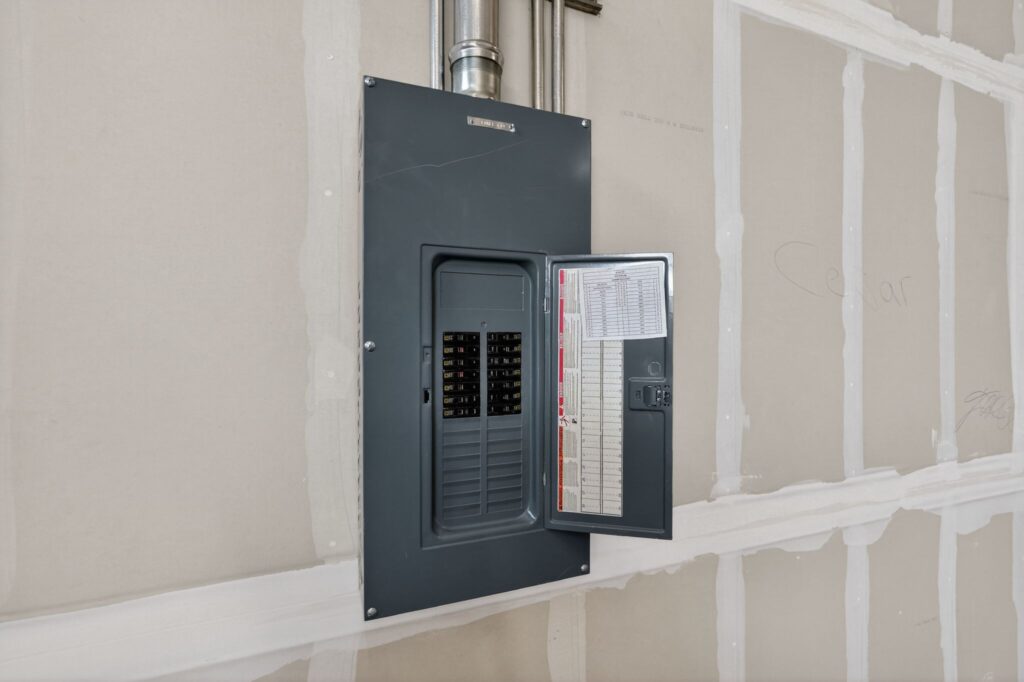
This is where most generic storage units completely fall short. A tradesperson running compressors, saws, welding equipment, or HVAC testing tools can’t operate in a space with a single 15-amp outlet and a standard shop light.
What to confirm before you lease:
- Adequate electrical capacity — ask specifically about amp service, not just “yes we have power”
- Good ventilation if you’re working with paints, adhesives, or anything that produces fumes or dust
- Concrete flooring that can handle heavy equipment, spills, and real daily use — not laminate or thin commercial carpet
- Sufficient lighting for detailed work inside the bay
Tip: If a space can’t answer specific questions about its electrical setup, that’s a red flag. A trade-ready facility knows what its bays can handle.
4. Amenities That Save You Time (and Look Professional)
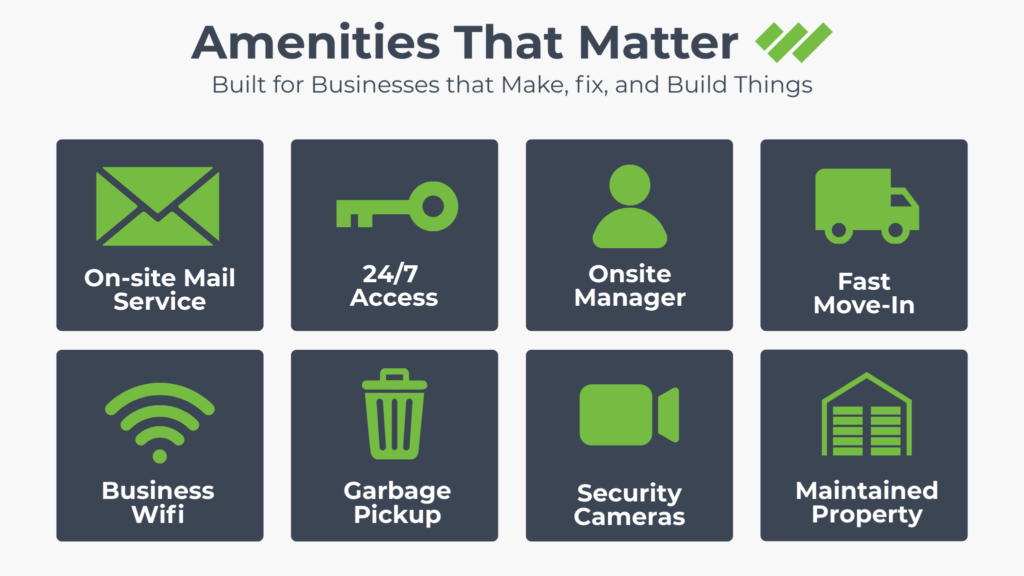
The difference between a storage unit you rent and a trade-ready bay you run a business from often comes down to amenities. Here’s what to look for:
- Mail and package receiving — a professional business address for deliveries, licensing, and vendor invoices. This alone makes you look more legitimate to clients and suppliers.
- Business Wi-Fi — for pulling up job specs, submitting invoices on-site, managing your schedule, or video-calling a client from your bay
- Garbage pickup — trade work creates waste. A space that handles this removes one more task from your plate every single week
- Maintained property — grounds that are clean, safe, and well-kept signal to clients and inspectors alike that this is a professional operation
- Fast move-in — if you need space now (because a new contract just landed), you shouldn’t be waiting two months for a unit to open up
When a facility is built for businesses that make, fix, and build things, these aren’t “nice to haves.” They’re the baseline.
5. Location — The Feature That Can’t Be Retrofitted
You can add shelving. You can upgrade lighting. You can’t move the building.
What good location means for trades:
- Close to your main service area — every extra mile of drive time per job adds up across the year
- Easy highway or arterial access for large trucks, trailers, or time-sensitive material pickups
- Proximity to supply houses — being near your plumbing supply, electrical distributor, or lumber yard isn’t a luxury, it’s a time multiplier
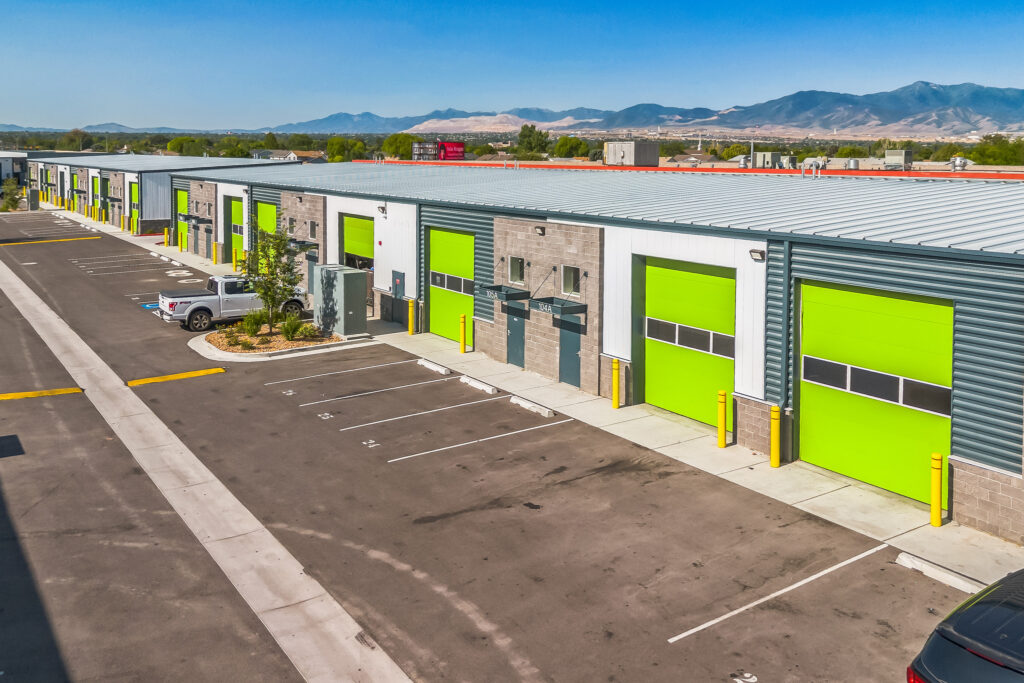
- Room for your vehicles — a parking lot that accommodates your work van, trailer, or box truck without a daily puzzle
Tip: Plot your three most common job sites, your main supplier, and your bay on a map. If the bay sits somewhere logical in that triangle, you’ve found a well-located workspace.
Conclusion: A Trade-Ready Bay Is a Business Investment
Renting a bay isn’t just a real estate decision — it’s a decision about how efficiently your business runs every single day.
The right space gives you:
- Room to work without wasted motion
- Security so your tools are protected
- Infrastructure that keeps up with your equipment
- A professional address that builds credibility
- Access when you need it, not when a landlord decides to open up
A space that checks all these boxes isn’t just convenient. It’s a competitive advantage. When your operation runs tighter, you can take more jobs, respond faster, and show up looking like the professional you are.
Start by asking the right questions. Demand the right features. And choose a bay that was built for the way the trades actually work.
Ready to see what a trade-ready bay looks like in person? Book a Tour →
Need Space? We Can Help!
Flexible layouts, heavy-duty features, and room to grow — everything you need to bring your craft to life, without compromise.
Related Posts: