
At first, it was just something you did because you loved it. Then people started asking if they could pay you. Then more people. Then your spare room stopped feeling like a creative corner and started feeling like a bottleneck.
You painted after work. You made jewelry at the kitchen table. You restored furniture in the garage. You cut hair, made candles, sourced antiques, recorded music, or built something beautiful from the corner of your house that was never meant to become headquarters. WorkBay was built for people exactly like you: makers, creatives, and small business owners ready for room to grow.
And somewhere in the middle of all that, the question changed from “Is this just for fun?” to “When does a hobby become a business?”
The answer is not always as obvious as it sounds. The shift is practical. There are orders to fill, clients to schedule, inventory to store, and systems to build. But it is also emotional. Because when your hobby becomes a business, you are not just changing how you spend your time. You are changing how you see yourself.
You are allowed to call it real. You are allowed to need real space. You are allowed to move beyond the hobby phase and build something that looks, feels, and functions like a business.
It Started as Just for Fun
Most creative businesses do not begin with a business plan. They begin with curiosity. You try something once and realize you want to do it again. You post a photo and someone asks if it is for sale. You help one client, then another. You sell out of your first batch faster than expected.
In the beginning, the informality is part of the charm. Your dining room table works fine. Your garage is good enough. Your spare bedroom becomes a supply room, packing station, photo corner, office, and storage unit all at once. You tell yourself it is temporary. And for a while, it is.
But a growing creative business does not always announce itself with a grand opening sign. Sometimes it arrives quietly: one more order, one more inquiry, one more “Could you make one for me?” Eventually, the setup that helped you start begins to hold you back. That is often the first sign your hobby is no longer just a hobby.
The Moment Everything Changed
There is usually a moment when you feel it. Maybe a client asks where your studio is, and you hesitate before explaining that you work from home. Maybe someone wants to visit, but your workspace is also your laundry room, storage area, and guest room. Maybe you turn down a project because you do not have room to build it, store it, package it, or photograph it properly.
That is a big part of the pain no one talks about. It is not just that your home setup is crowded. It is that you can feel the gap between how serious your work is and how temporary your space still looks. You know the business is real. Your customers know the business is real. But the environment around it still says “side project.”
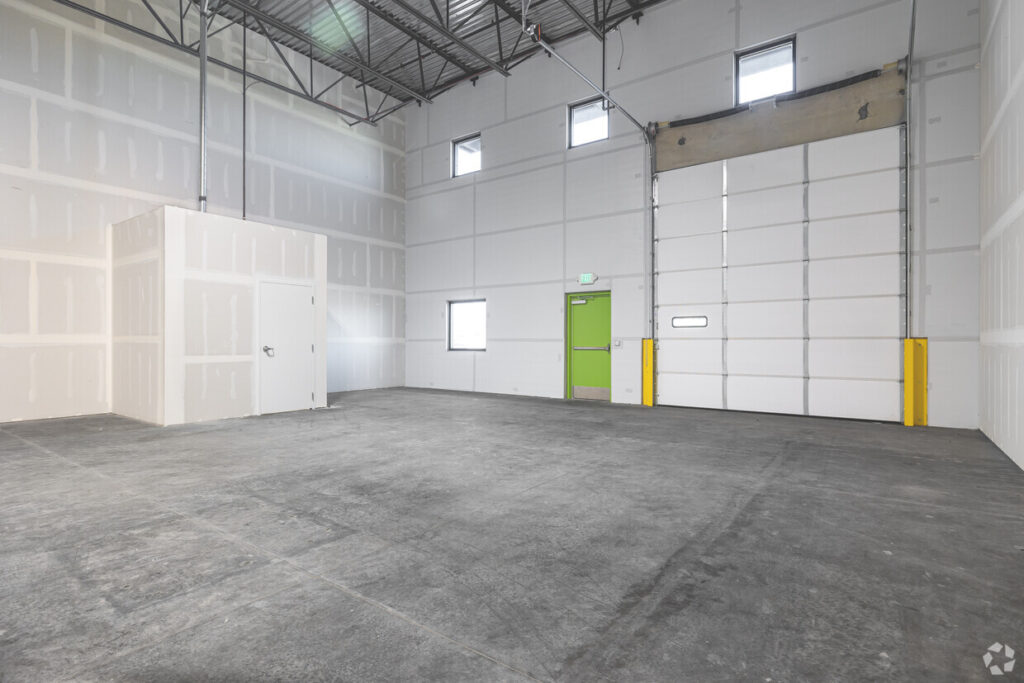
A professional studio does more than give you square footage. It helps you show up differently. It gives your work a home outside your home. It gives clients, collaborators, and customers a place to meet the business you have been building all along. The right amenities, from 24/7 access to onsite management and fast move in, make that home feel established from day one.
5 Signs Your Hobby Has Become a Real Business
So, when does a hobby become a business? There is no single magic number, but there are clear signals. If several of these feel familiar, you may already be further along than you think.
1. People Are Paying You. Regularly.
A single sale is exciting. A few paid projects are encouraging. But when paid work becomes consistent, something has changed. You are no longer only creating for yourself. You are creating value that other people recognize, want, and are willing to buy. Suddenly your supplies are materials. Your calendar is production capacity. Your creative time is part of how you earn. That shift deserves to be taken seriously.
2. You Are Turning Work Away
Turning work away can feel like a good problem, but it is still a problem. Maybe you do not have enough room to take on larger pieces. Maybe your booking calendar is full because every setup and cleanup takes too long. Maybe you cannot keep enough inventory on hand. At some point, “I do not have space for that” becomes more than an inconvenience. It becomes a growth ceiling. The answer is not always to hustle harder. Sometimes the next step is to remove the friction making the work harder than it needs to be.
3. Your Space No Longer Works
A home setup can be perfect for starting. It keeps costs low. It lets you test the idea. But it is not always built for the next stage. If your inventory is stacked in hallways, your tools are packed away between every project, or your work is constantly competing with daily life, your space may be telling you something. The question is not whether your home studio was good enough. It was. It got you here. The question is whether it still supports the business you are becoming.
4. You Have Started Thinking Like a Business Owner
There is a quiet identity shift that happens before many creative business owners say it out loud. You start tracking costs. You think about pricing differently. You wonder whether your packaging feels professional enough. In other words, you are not just making anymore. You are operating. Many creative people worry that calling it a business will take away the joy that made them start. But legitimacy does not have to erase creativity. Done well, it protects it.
5. The IRS Has an Opinion
There is also a practical side to the question. If you are earning money, deducting expenses, buying materials, taking payments, or treating the work as a source of income, there may be tax and legal considerations to understand. This is a good moment to talk with a tax or legal professional about what applies to your situation. It is also a good moment to recognize the bigger picture: if your hobby now has customers, income, expenses, and obligations, it may be time to give it the structure it deserves.
What Comes Next: Outgrowing Your Home Setup
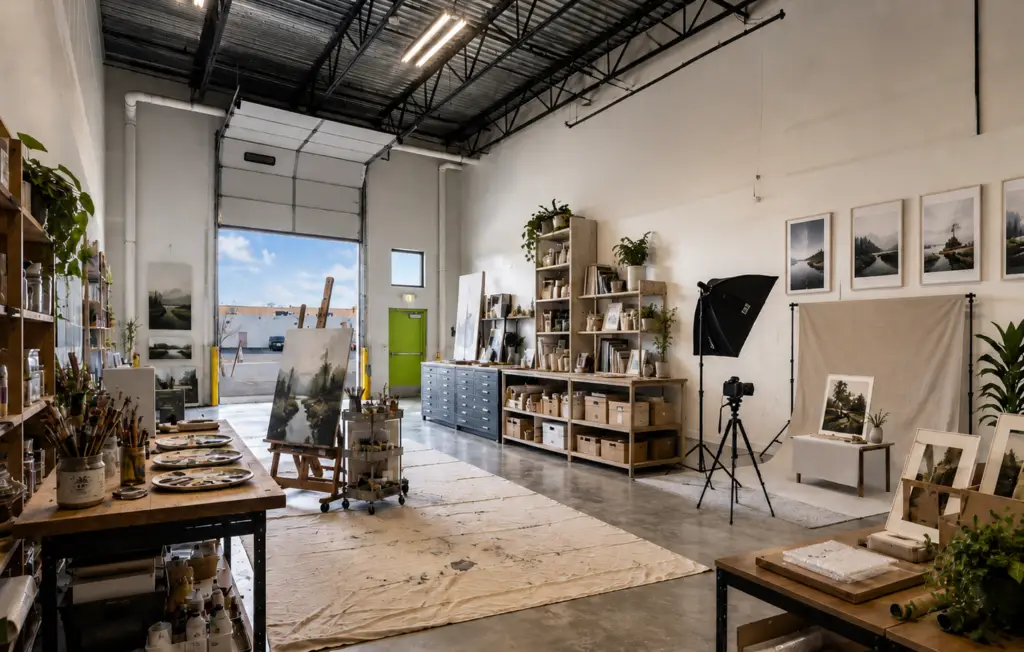
Outgrowing your home setup does not mean you need a giant warehouse, a traditional storefront, or a lease that makes you nervous. For many creative businesses, the next step is something in between: a small creative business space that gives you room to work, store, meet, photograph, pack, produce, and grow without overcommitting.
That is where WorkBay fits naturally for creative businesses like yours. WorkBay spaces are designed for small businesses that need real, usable space without jumping straight into something oversized. For makers, artists, designers, antique dealers, content creators, stylists, beauty professionals, and other creative entrepreneurs, that kind of right sized space can be the difference between constantly making do and finally feeling established. With locations across Utah, Arizona, Texas, and Florida, there is likely a unit closer than you think.
A dedicated studio can help you:
- Welcome clients with more confidence
- Keep work separate from home
- Store materials and inventory more safely
- Create a better customer experience
- Produce more efficiently
- Photograph, pack, or fulfill orders with fewer interruptions
- Feel like the business has a real foundation
You do not have to wait until everything is perfect to take that step. In many cases, taking the step is what helps everything become more real.
Creatives Who Made the Leap
The leap from home setup to professional space looks different for every business. That is why real stories matter.
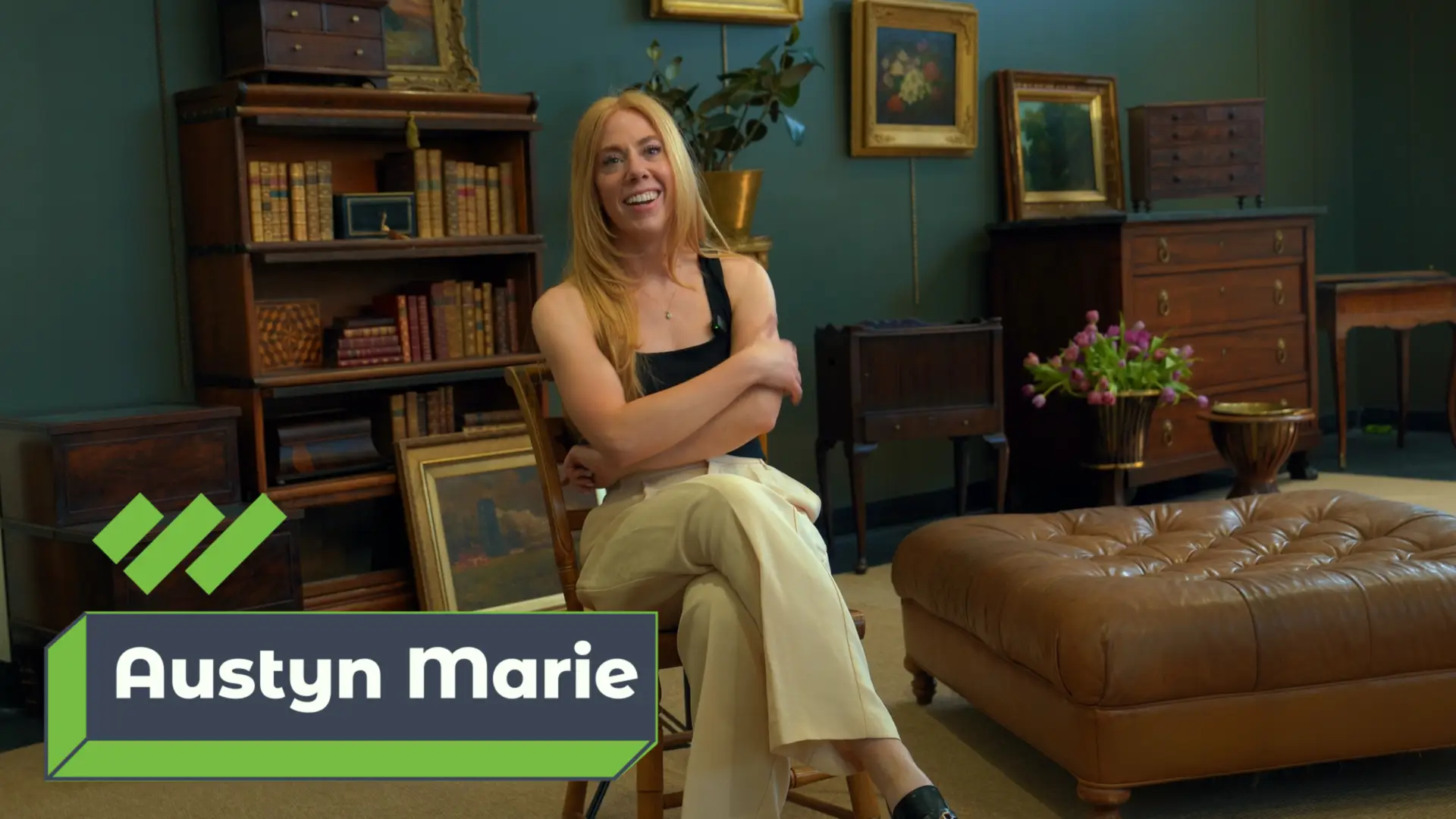
Austyn built an antique import business around meaningful, one of a kind European pieces, with a WorkBay space that functions as both a showroom and a fulfillment center. Her setup supports customer visits, Instagram Live sales, photography, storage, unpacking, organizing, selling, and order fulfillment. It is not just storage; it is a flexible space that supports the full rhythm of the business.
Read her story →
John Mosley expanded from barbering into content creation, production, workshops, artist development, and brand building. His WorkBay space gave him a home base with affordability, location, move in readiness, and room to build something bigger than one lane. His story speaks directly to the fear many creatives feel before signing a lease.
Read his story →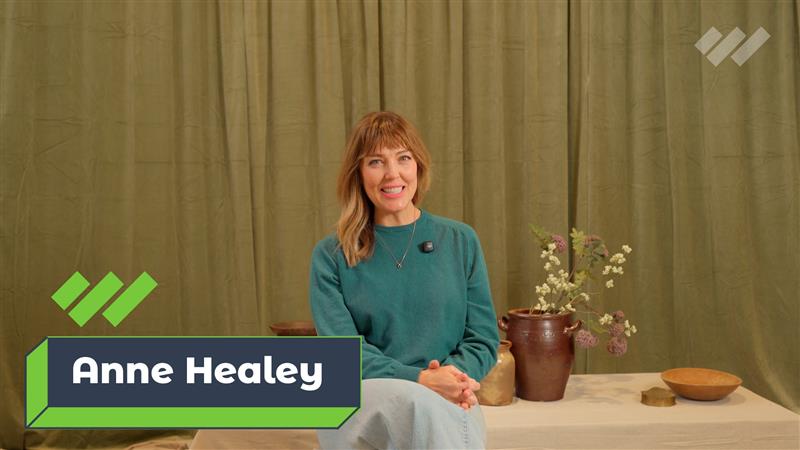
Anne wanted enough room to grow her antique business without leaping into a huge industrial space. WorkBay gave her what she described as the sweet spot: large enough for inventory and customer experience, but not so large that the business felt overextended. The natural light, tall ceilings, and warmth of the unit helped the business feel more legitimate and easier for customers to imagine as a real shop.
Read her story →Ready to See What Your Studio Could Look Like?
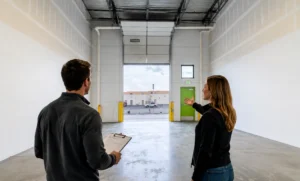
Maybe you are not ready to sign anything today. That is okay. Sometimes seeing the space helps you imagine the next version of the business more clearly. A tour is a low pressure next step. You are simply giving the business you already built a chance to be seen in a new way.
Book a TourAbout WorkBay
WorkBay provides flexible small business spaces and micro warehouses for makers, contractors, e commerce sellers, and creative entrepreneurs across Utah, Arizona, Texas, and Florida. Month to month terms, fast move in, and room to grow. View locations or book a tour.