
It is Sunday evening, and the last market of the week ended hours ago. The boxes are still in the car. The tent is in the driveway. The tables need wiping down, the bags and labels need sorting, and Monday starts the prep cycle all over again.
That is the part most people do not see. Farmers market storage is not just about where things go after Saturday morning. It is about keeping a year round business from taking over the house. For many vendors, that space starts at home, and for a while home works. Until it does not.
A Farmers Market Business Does Not Stop When the Market Does
A farmers market booth may only be open one or two days a week. Some markets run spring through fall. Some take a winter break. From the outside, the business can look seasonal because the selling window is seasonal. But the work behind the booth keeps going.
The market is seasonal.
The business is not.
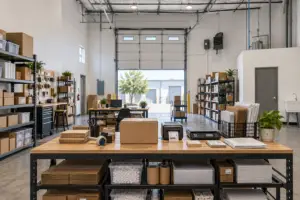
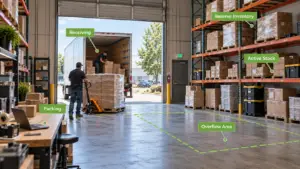
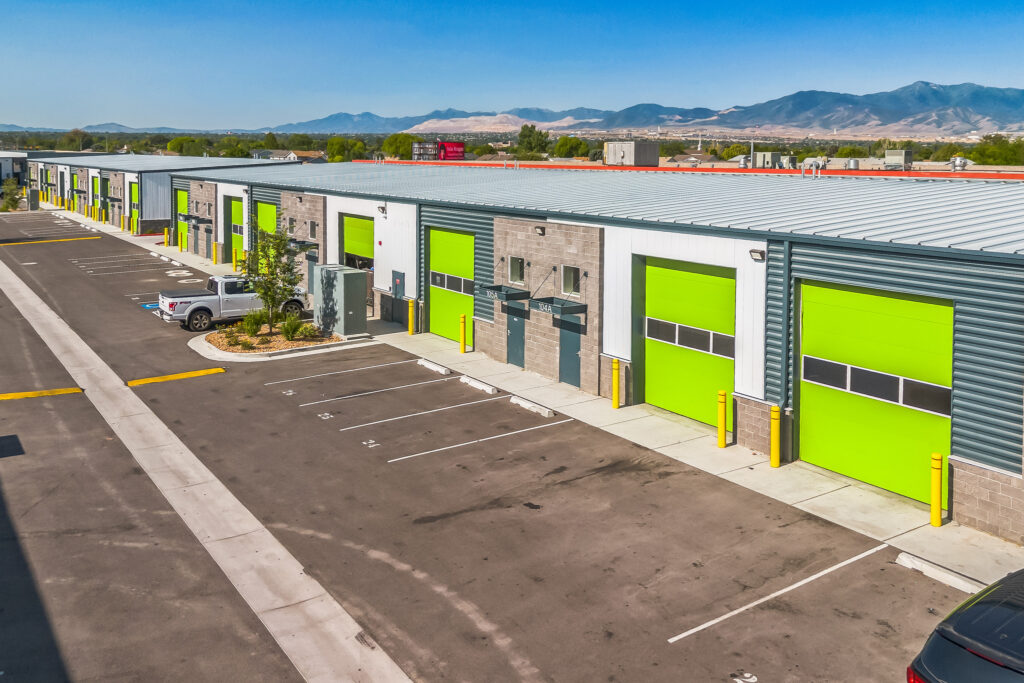
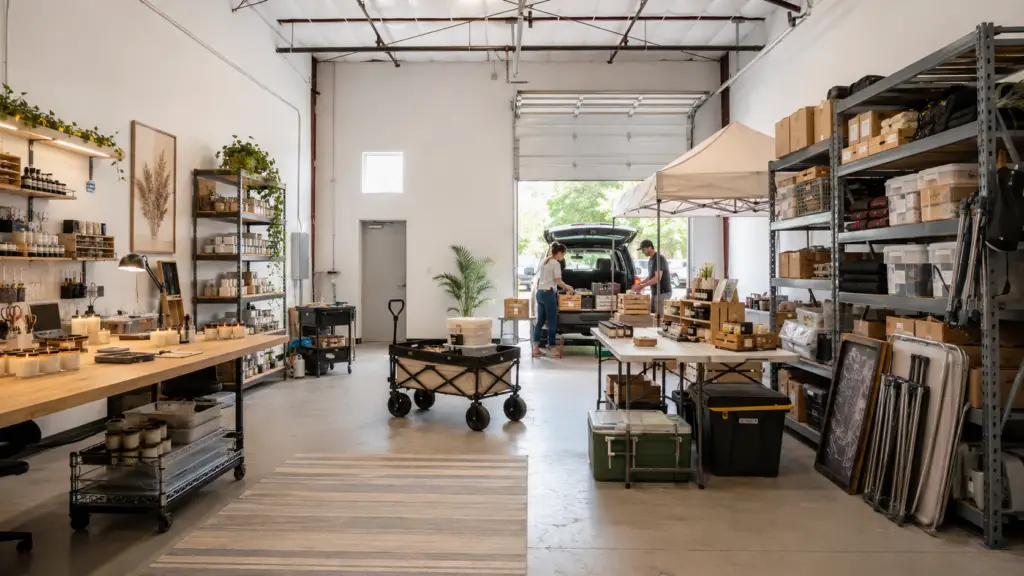
Between markets there are packaging supplies to restock, labels to print, booth signs to repair, inventory to count, displays to adjust, and applications to submit. That is why storage for farmers market vendors becomes a real business need. Not because vendors have too much stuff, but because the business has moving parts that need a reliable place to live between market days. A WorkBay unit becomes the farmers market prep space between the home, the vehicle, and the booth. Depending on the location and use case, vendors use it for storage, staging, packaging organization, booth management, and inventory overflow. The need is not one specific product. It is a place that supports the work before and after the sale.
What the Bay Actually Does Across the Year
The busiest months get most of the attention, but a year round farmers market business has different space needs at different times of year. Peak season, off season, and the pre season ramp each create their own kind of pressure.
The reset point between busy weekends
Highest activity. The bay is the staging area between production and market.
- Prep runs before busy market weekends, where the park and use case allow
- Packaging and labeling supplies stored and accessible
- Finished product staged for same day or next day load in
- Booth equipment and display materials stored between markets
- Overflow inventory that will not fit at home
The business does not disappear
Lower activity, but still essential. Home cannot absorb a full booth plus a season of supplies.
- Full booth stored: tent, tables, signage, display fixtures
- Packaging materials and supplies for next season
- Raw material and inventory restocking
- Product development, where the use case is permitted
- Business planning and order prep without home clutter
The window before the first market
Time compressed. Vendors work to be ready, and a bay makes the period manageable.
- Booth build out and display refresh
- Labeling, packaging design, and batch prep
- Inventory rebuild before the first market date
- Equipment check and repair staging
Across all three phases, the work is universal: storage, staging, packaging, and booth management. Food prep is different. WorkBay units should not be assumed to function as commercial kitchens, and food production rules vary by park and use case, so the local WorkBay team can clarify what fits at a specific location. When peak season hits, that groundwork connects directly to summer business prep.
When Home Stops Working
Most vendors do not wake up one day and decide they need a warehouse bay. It usually starts smaller than that. See if any of these sound familiar.
- The spare room is full and the garage has no room for the car.
- The booth tent lives in the hallway because moving it again is too much trouble.
- The kitchen table is covered in bags, labels, boxes, and order notes.
- The car never really gets emptied because another market is always coming.
None of that means the business is failing. It usually means the opposite. The setup that worked when the business was smaller is showing its limits. Customers are coming back. The booth is more polished. The product line has grown. That is a real turning point for many farmers market sellers, and the companion story from spare room to studio covers the same identity shift. A WorkBay bay helps separate the business from the household. Booth materials stop competing with bikes and holiday decorations. Packaging has a place that is not the dining table. Market day supplies stay packed and ready instead of being rebuilt from scratch every week.
Vendors Who Made the Move
For many WorkBay tenants, the move into a dedicated space came from needing the room to do the work well, not from wanting something bigger for its own sake.

Saucy Bofa
Saucy Bofa needed open space and a setup that supported packaging and delivery. The space gave the owner room to keep the work organized and serve customers without forcing every part of the business through a home setup.
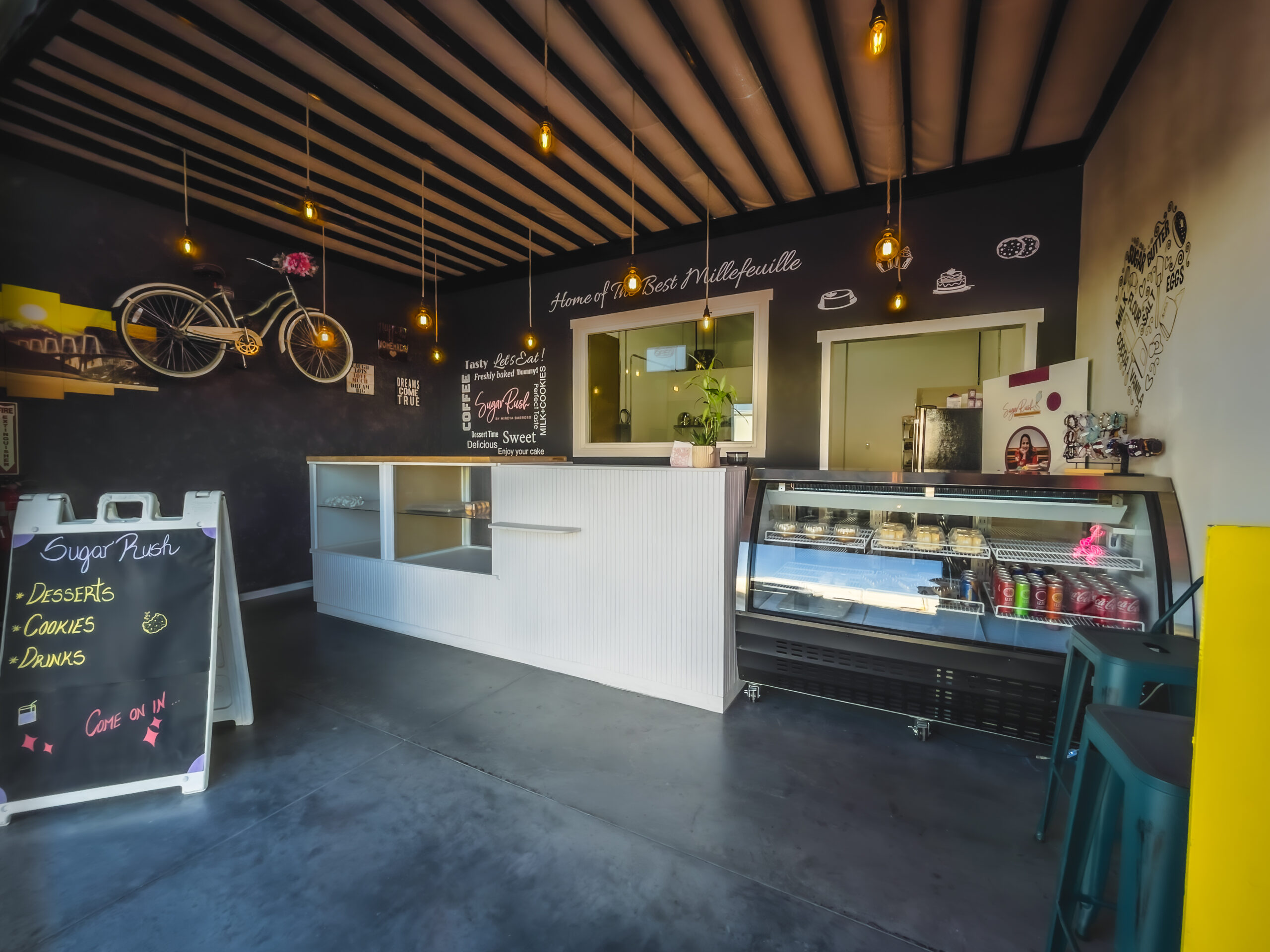
Sugar Rush
Sugar Rush hit the moment a home kitchen could no longer keep up with demand. The space did not create the business. The business was already there. The space made it easier to keep going.
That throughline matters for farmers market vendors. The space made the business possible to keep running well, not the other way around. A bay is not about pretending the business is bigger than it is. It is about giving a real, growing business the room and organization it already needs.
Farmers Market Storage Questions
Most vendors store booth equipment such as tents, tables, and signage, plus packaging and labeling supplies, inventory overflow, and marketing materials. The bay keeps the working parts of the booth in one organized place between market days.
Food prep permissions vary by park and use case, and WorkBay units should not be assumed to function as commercial kitchens. The best step is to talk with the local WorkBay team during a tour so they can explain what fits at that specific location.
The selling window may be seasonal, but the work behind the booth runs year round. Vendors use a bay through peak season for staging, through the off season to store the full booth, and through the pre season ramp to get ready before the first market date.
See Whether It Fits Your Setup
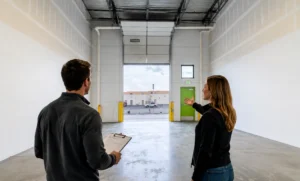
Every farmers market business works a little differently. Some vendors need more room for booth equipment. Some need farmers market storage for packaging and inventory. Others need a place to stage supplies before the next market weekend. The right space should fit the way the business actually works, including what use cases are permitted at the local WorkBay park. Specific food related needs should always be discussed with the local team, and a tour is the right time to ask those questions.
The vendors in the stories above all started by looking at the space. See whether it fits the way your business actually works.
Book a Tour