
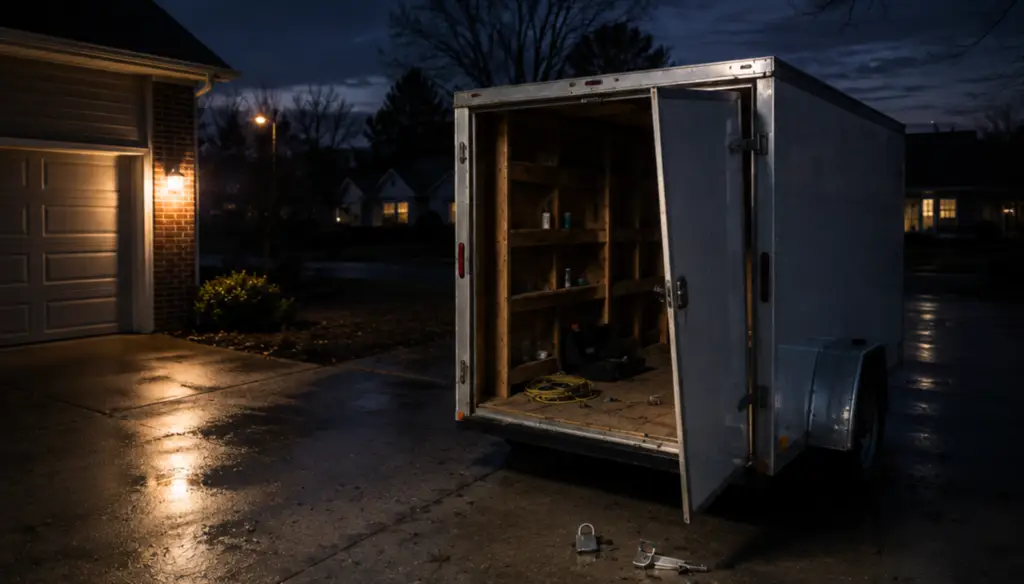
A work trailer parked in the driveway looks like storage to you. To somebody rolling past at 2 a.m., it looks like a shopping cart with a padlock on it.
Tool and equipment theft has turned into a real operating risk for contractors, plumbers, electricians, HVAC crews, landscapers, and just about every trade that hauls gear to a job site. Replacing the missing equipment is only part of the cost. A theft can also mean canceled appointments, employees waiting for replacement tools, rushed purchases, insurance claims, and project delays.
The best approach is to make theft prevention part of your normal operating routine. You may not be able to eliminate the risk completely, but you can make your tools much harder to take and much easier to identify or recover.
How do contractors prevent tool theft?
No single lock stops a determined thief. Contractors cut their losses by stacking layers so that stealing the gear gets slower, louder, and riskier: keep a serial number inventory, mark and track the expensive items, harden vans and trailers, stop leaving the whole kit outside overnight, run the same lock up routine every night, and give the business one secure place to put its tools.
How Common is Construction Equipment Theft?
The National Equipment Register estimates that equipment theft costs between $300 million and $1 billion annually in the United States. That estimate doesn’t include stolen tools or building materials, damage caused during a theft, or business interruption costs such as equipment rentals, project delays, and lost workforce time.
Job site data suggests theft is becoming more common. For their 2026 security report, TrueLook and Noonlight analyzed monitoring data from thousands of active construction sites across the U.S. They recorded 2,639 confirmed break-ins in 2025, up from fewer than 1,750 in 2024. More than 40% happened on weekends, and most occurred between 11 p.m. and 3 a.m.
Texas contractors face particularly high exposure to equipment theft. National Equipment Register data has repeatedly ranked Texas as the top state for reported equipment theft. In 2016, Texas accounted for 2,375 reported thefts, or about 20.5% of the national total.
Why Contractors Get Targeted
Contractors are common targets for theft because their equipment is valuable, portable, easy to resell, and often stored in predictable places.
A branded plumbing or HVAC van gives someone a pretty good idea of what may be inside. An enclosed trailer parked outside a house can hold thousands of dollars in tools and equipment. Job sites can also be vulnerable after crews leave for the day, especially when tools, materials, or equipment are left behind overnight or over the weekend.
For contractors, losing tools also creates a bigger problem than simply replacing what was stolen. If a crew loses a press tool, diagnostic equipment, generator, drain machine, or a full set of cordless tools, they may not be able to work until those items are replaced.
That can mean canceled appointments, delayed jobs, lost productivity, and unexpected replacement costs.
Your tools don’t just have value.
They produce revenue.
That is why the real cost of theft is usually larger than the replacement price of the missing tools.
The Real Cost of Stolen Tools
Picture a Monday morning where the lock on the trailer is lying on the gravel. You start counting: two drills, a saw, a stack of batteries, the generator, the specialty equipment you waited three weeks for. Maybe it’s $8,000. Maybe it’s $30,000.
What Tool Theft Really Costs
Theft can create problems that go far beyond the missing tools.
Where Contractors Are Most Exposed
Tools and equipment move through several locations in a normal workday. Each one has a different security risk.
Every stop adds risk
Tools and equipment move through several locations every day. The more places they’re stored, loaded, unloaded, or left unattended, the more opportunities there are for something to go missing.
Job sites
Tools, generators, materials, and trailers may stay behind after the crew leaves. Weekends and long holidays create even more exposure because equipment can sit unattended for extended periods.
Work vans and trucks
A work vehicle is convenient because everything the crew needs is already loaded, but that also makes it an attractive target. Visible tool cases, weak factory locks, and a vehicle parked in the same place every night can make theft easier.
Enclosed trailers
Keeping tools out of sight is better than leaving them in an open truck bed, but an enclosed trailer is not automatically secure. Trailers can be broken into, and an unsecured trailer can also be hitched up and taken.
The driveway
Many trade businesses start at home, which means trucks, trailers, ladders, materials, and tools end up in the driveway or garage. As the business grows, that setup can make the value and routine of the operation visible to anyone passing by.
How to Prevent Tool Theft: Build Layers, Not One Lock
No security measure can guarantee that equipment will never be stolen. The goal is to reduce easy opportunities, create more barriers, and make it easier to identify or recover equipment if a theft does happen.
Here’s where contractors get the most protection for the least hassle.
1. Move High-Value Tools Indoors
If expensive tools do not need to stay in a truck, trailer, or job site overnight, move them to a more secure location. This is one of the simplest ways to reduce exposure.
Of course, unloading an entire work vehicle every evening is not realistic for every contractor. If employees are spending significant time moving tools between the driveway, garage, truck, and trailer every day, it may be a sign that the business needs a dedicated storage and work space.
2. Create an Inventory Before Anything Goes Missing
Do not wait for a theft to figure out what the company owns. Keep a digital inventory that can be accessed from a phone or computer. For high-value tools and equipment, record:
- Manufacturer, model, and description
- Serial number and internal asset number
- Purchase date and replacement value
- Receipt or invoice, when available
- A clear photo of the item
- The employee, vehicle, or crew the item is assigned to
A good inventory makes it easier to file a police report, document an insurance claim, and recognize when something is missing.
3. Mark Tools So They’re Easy to Identify
Engraving, permanent paint, asset tags, and QR codes can all help identify company-owned tools. Marking equipment may also make it less appealing to resell.
For larger fleets, connect the physical tag to an asset management system so you can see who has the tool and where it is supposed to be.
4. Track the Expensive Stuff
GPS trackers, Bluetooth tags, and manufacturer tracking platforms can add another layer of protection. Start with the items that are expensive, difficult to replace, or essential to keeping a crew working, such as generators, welders, compressors, specialty diagnostic equipment, trailers, and larger cordless tool kits.
Tracking does not replace physical security, but it can provide useful location information after equipment is moved. If you believe stolen property has been located, share that information with law enforcement rather than trying to recover it yourself.
5. Make Vans and Trailers Harder to Open
Factory locks are a starting point, but contractors who carry valuable equipment may need more protection. Depending on the vehicle and what it carries, options can include:
- Interior locking cabinets and secured job boxes
- Reinforced door locks and door shields
- Hitch, coupler, and wheel locks for trailers
- Vehicle alarms and tracking systems
- Interior cages or partitions that limit access to the cargo area
The goal is to create more than one obstacle between a thief and the equipment.
6. Keep Valuable Tools Out of Sight
A row of Milwaukee, DeWalt, RIDGID, or Makita cases visible through a van window does the advertising for you. Store high-value items away from windows, keep doors closed when the vehicle is unattended, and avoid leaving tools exposed during short stops.
The same principle applies at home. If a trailer is opened in the driveway every evening, anyone nearby can see what is stored inside and learn the business’s routine.
How exposed is your setup right now?
How many of these are true during a normal week?
7. Choose Overnight Parking Carefully
When a work vehicle has to stay outside, choose the location intentionally. Good lighting, controlled access, camera coverage, and visibility from an occupied building can all help. When practical, backing cargo doors against a wall or another vehicle can also make access more difficult.
Parking is easy to overlook because it costs nothing to use the nearest open space, but changing where and how a vehicle is parked can remove some of the easiest opportunities for theft.
8. Use the Same Job Site Lockup Routine Every Night
If equipment has to remain on a project, reduce the amount that is exposed and make one person responsible for closing the site. High-value portable tools should be removed when practical, keys should be taken out of equipment, and trailers and job boxes should be secured before the last person leaves.
Consistency matters. A security process works better when it is a normal part of closing the site instead of something everyone assumes somebody else handled.
9. Review Your Tools and Equipment Insurance
Physical security and insurance solve different problems. Security is meant to reduce the chance of a loss. Insurance determines how much of the financial loss the business carries afterward.
Review how your policy treats tools and equipment at your shop, in company vehicles, at customer locations, on job sites, in trailers, and in temporary storage. Coverage limits, deductibles, exclusions, and documentation requirements can vary significantly. Knowing those details before a theft is much easier than learning them during a claim.
We put together a separate guide on tools and equipment insurance with the questions worth asking your provider.
The five question closing routine
Give one person the job. Same five questions, every site, every night.
- 1Is every piece of equipment accounted for?
- 2Are the job boxes locked?
- 3Are the trailers secured and hitched down?
- 4Are keys out of every machine?
- 5Is anything valuable still sitting in plain sight?
10. Give the Business a Secure Home Base
There is a point where storing the business in the driveway stops being practical. More tools, more materials, another truck, employees arriving early, and a trailer full of equipment can quickly outgrow a residential setup.
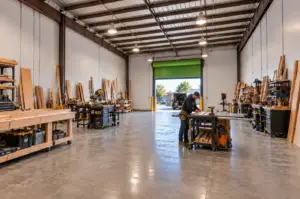
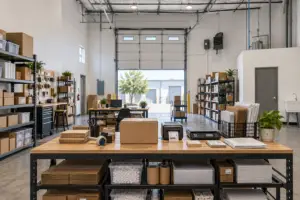
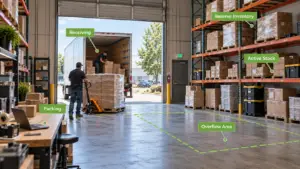
A dedicated shop or warehouse space gives tools and materials one place to return to at the end of the day. It can also make inventory easier to organize, give crews a consistent place to load out in the morning, and keep business activity out of the garage and driveway.
| Overnight | Driveway and trailer | Private contractor bay |
|---|---|---|
| Who can see your gear | Anyone driving the street | Nobody, once the door is down |
| Barriers between a thief and the tools | One padlock | Fence, gate, cameras, and your own key |
| Morning load out | Garage to truck, item by item | Back the truck to the door and go |
| Where the crew meets | Your front yard | A commercial address with parking |
| Room to grow | Whatever fits between the cars | Move up a size when the business does |
Why Contractors Use WorkBay as a Home Base
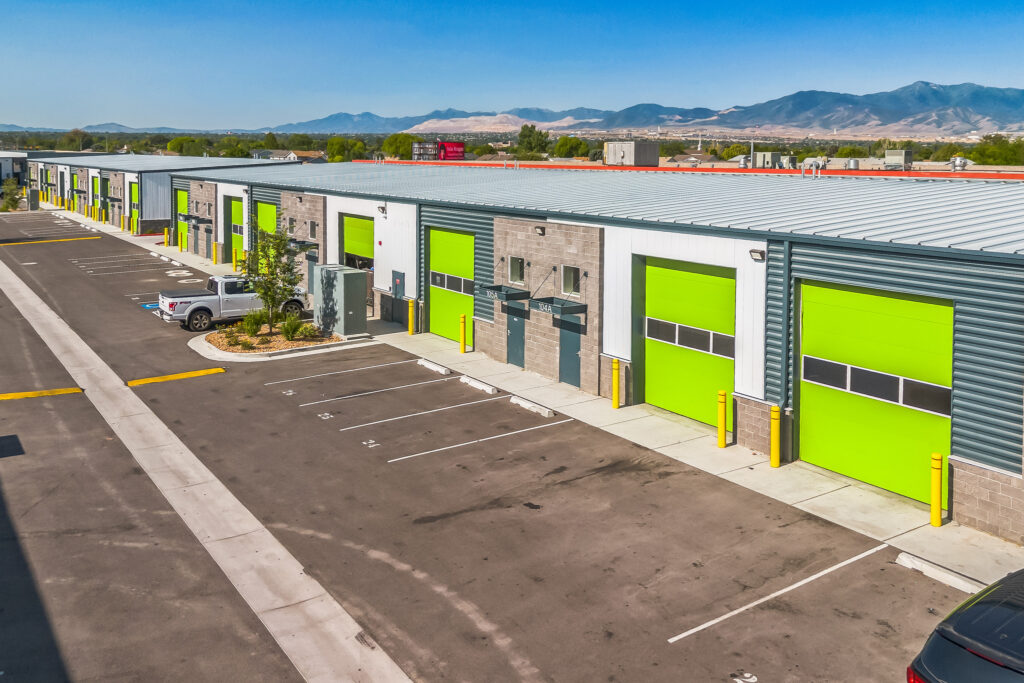
WorkBay offers private commercial warehouse bays for small businesses that need room for tools, materials, equipment, vehicles, and day-to-day operations. Contractors, electricians, plumbers, HVAC companies, remodelers, and other trades can use the space as a central place to store equipment and prepare for the next job.
What a WorkBay contractor bay gives you
Amenities vary by location and unit. Check with your regional manager to confirm what’s available.
No building or security system can guarantee that theft will never happen. The advantage of a dedicated business space is that tools and materials can be stored in a location designed for commercial use instead of being left in a truck, trailer, or residential driveway every night.
A Trailer Should Move Tools, Not Store Your Business
Work trucks and trailers are essential for getting people and equipment to the job. They just do not have to become the permanent storage system for the company.
As the value of your tools and equipment grows, your security practices should grow with it. Keep an inventory, mark and track valuable assets, improve vehicle and trailer security, control access to keys, review your insurance coverage, and make the end-of-day lockup part of the routine.
If the garage, driveway, truck, and trailer are doing the job of a warehouse after hours, a dedicated space may be the next practical step for the business.
Store your gear. Get back to work.
WorkBay gives contractors private, trade ready bays where tools, materials, and equipment finally have one dedicated home base.
Book a TourFeatures vary by park and availability.
Construction Tool Theft Prevention FAQs
Keep valuable tools out of sight, lock the vehicle any time it is unattended, and consider adding reinforced locks, interior tool boxes, an alarm, or vehicle tracking. When possible, avoid leaving your most expensive equipment in the truck overnight.
Use more than one layer of security. Lock the trailer doors, secure the hitch or coupler, use a wheel lock when practical, and park in a well-lit or controlled-access area. If the trailer contains expensive equipment, moving that equipment into a secure building overnight can further reduce your exposure.
GPS or Bluetooth trackers can be useful for expensive tools, trailers, generators, and other equipment that would be difficult or costly to replace. Tracking should be used along with locks and other security measures, not as a replacement for them.
Keep a record of the manufacturer, model, serial number, purchase date, replacement value, and photos of valuable tools and equipment. Save receipts or invoices when available. Having this information ready can make it easier to document what was stolen and file an insurance claim.
Whenever possible, store high-value tools and equipment inside a locked, secure space rather than leaving them in a vehicle, trailer, job site, or driveway overnight. Contractors with more equipment than they can reasonably store at home may benefit from a dedicated commercial space for tools, materials, and equipment.
Remove high-value portable tools when possible, lock trailers and job boxes, take keys out of equipment, limit access to the site, and make one person responsible for the end-of-day security check. Lighting, cameras, fencing, and controlled access can provide additional layers of protection.