
Most people start the search with square footage, location, and monthly rent. Those matter, but they’re the second question.
The first one is simpler: what does your business need to do inside that space?
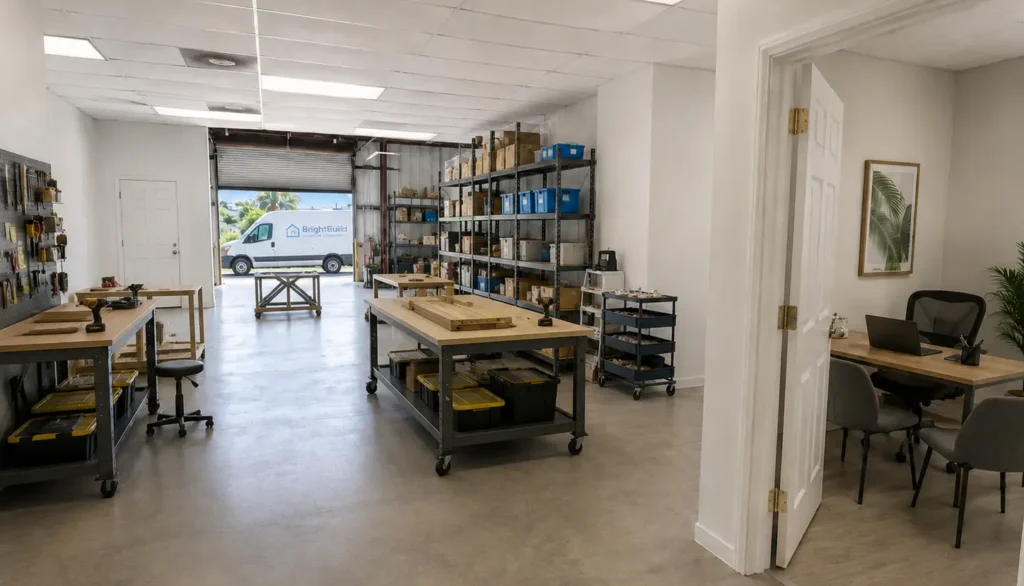
For plenty of Florida businesses the honest answer is a desk, decent internet, a conference room, and a quiet corner for calls. For others, the office is a small slice of the operation. There are tools to store, orders to pack, materials to keep straight, deliveries to sign for, and a van to load before the crew rolls out at six.
Those businesses don’t need a bigger office. They need a space that can keep up with the work.
That gap shows up constantly here, because Florida’s small business economy isn’t one kind of company. It’s consultants and insurance agents, but it’s also plumbers, welders, ecommerce sellers, florists, and local distributors.
Source: U.S. Small Business Administration, Office of Advocacy, 2025 Florida Small Business Profile.
What Are the Main Office Space Options for a Florida Small Business?
Five setups cover almost everyone. Here’s where each one earns its keep and where it starts to cost you time.
| Option | Works best for | Where it falls short |
|---|---|---|
| Home office | Solo operators, remote work, businesses in their first year | Storage, parking, deliveries, employees, and keeping work out of the living room |
| Coworking space | Consultants, remote employees, small laptop based teams | Almost no private storage, no loading access, nowhere to keep equipment |
| Traditional office | Professional services and teams who sit at desks all day | You pay for finish work instead of room for inventory, tools, or production |
| Flex space | Businesses that need work, office, and storage areas in one space | Layouts and features vary a lot from property to property |
| Office and warehouse space | Trades, ecommerce, service companies, makers, and distributors | More space than a business that truly only needs desks will use |
The right answer has less to do with what your business is called and more to do with what a normal Tuesday looks like.
1. Home Office: Best When the Business Can Stay Small Physically
Starting at home makes sense for a lot of businesses. There’s no commute, overhead stays low, and your desk sits ten steps from the coffee pot. If you’re a consultant, a bookkeeper, a designer, or an agent, a spare bedroom might be all the office you’ll ever need.
Florida law is on your side here. Under Florida Statute 559.955, a qualifying home based business can operate in an area zoned for residential use, and local governments can’t license or restrict it differently from other businesses in their jurisdiction. The statute does set conditions. Employees who work at the dwelling have to live there, except for up to two employees or independent contractors who don’t. Parking can’t create more demand than you’d expect at a similar home with no business running out of it, and any exterior changes have to fit the residential character of the neighborhood. Your HOA or condo documents can add rules on top of the statute.
Being allowed to run a business from home isn’t the same thing as having a home that works for the business.
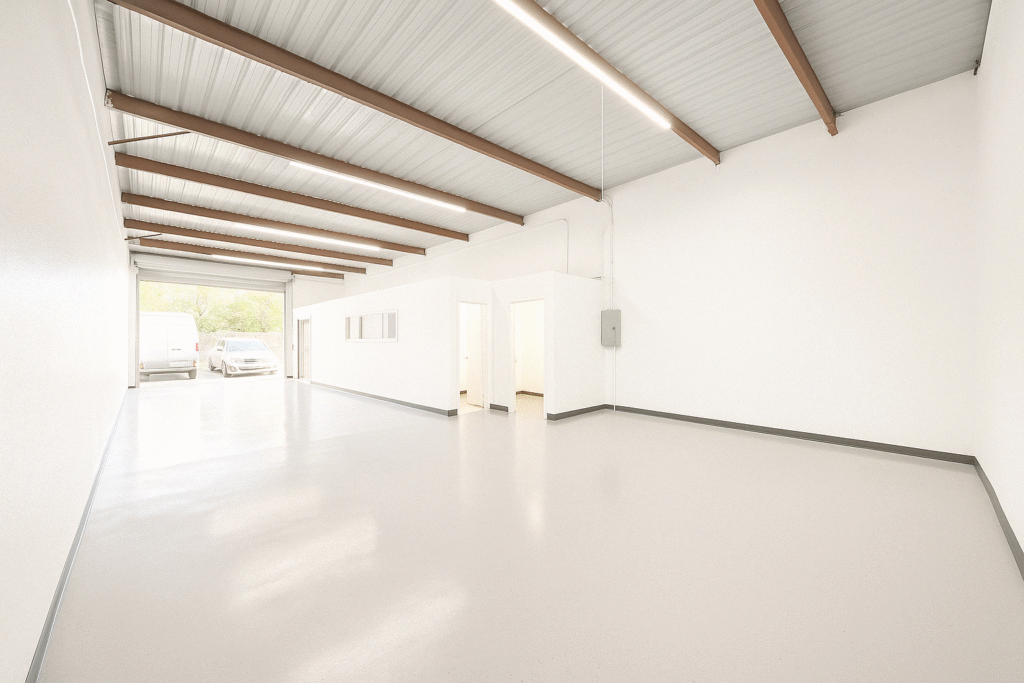
The house goes back to being a house
Moving the business out doesn’t only buy you square footage. It gets the pallets off the patio, gives your crew a place to meet that isn’t your driveway, and lets you close a door at the end of the day. Plenty of our tenants say that last part mattered more than they expected.
2. Coworking Space: Best When You Mainly Need a Desk
Coworking solves a different problem. Instead of working alone at the kitchen table, you get a professional room with desks, internet, meeting space, and other people around you. Marketers, remote employees, software teams, and consultants often find that’s the exact piece they were missing.
It’s a strong answer to one question: where can I go to work?
It’s a weak answer to a different one: where can my business operate? A shared office isn’t built for pallets, shelving, a packing table, a supplier drop off, or loading a van before sunrise. If everything your business needs fits in a backpack, coworking deserves a serious look, and if it doesn’t, keep going down the list.
A shared desk answers where you can work. It doesn’t answer where your business can operate.
3. Traditional Office Space: Best for Office First Businesses
Traditional office space exists for good reason. Law firms, insurance agencies, financial planners, agencies, and medical billing teams need private offices, a reception area, a conference room, and a setting that looks the part when a client walks in. Warehouse features would do nothing for them.
Trouble starts when an operational business signs a conventional office lease because office space was the category it knew to search for.
Picture a plumbing company with four employees. It needs one desk for scheduling and invoicing. It also has pipe, fittings, water heaters, ladders, hand tools, and three trucks. A 1,000 square foot office suite gives the dispatcher plenty of room and does almost nothing for the rest of it.
Businesses a desk only lease tends to squeeze
4. Flex Space: Best When One Space Has to Do Several Jobs
Flex space makes sense when your business doesn’t sit cleanly in the office box or the warehouse box. Rather than forcing every square foot into a single purpose, you split it up: a desk near the front, shelving down one wall, a work table in the middle, and storage toward the back.
This isn’t only a small business instinct, either. In CBRE’s 2026 Americas Office Occupier Sentiment Survey, half of the companies surveyed said they expect to make more use of flexible, reconfigurable space.
For a small operator the logic is shorter. Pay for space you can use, and change what it does when the business changes. That might mean one desk today, a second workstation in six months, and another run of shelving when your busy season lands.
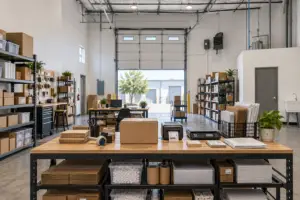
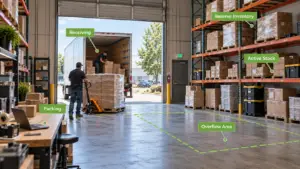
One space, four working areas
A common layout our Florida tenants land on, front of the space to back.
5. Office and Warehouse Space: Best When the Work Happens Behind the Desk
For a lot of Florida businesses the useful answer sits between an office and a warehouse. Think of it as a home base. You’ve got somewhere to handle estimates, invoicing, and scheduling, and the rest of the operation runs under the same roof.
An HVAC contractor stages tomorrow’s equipment the night before. An ecommerce seller takes in a pallet, stores it, packs orders, and answers customer email without leaving the space. An event company preps installs on a long table instead of the garage floor. A remodeler keeps tools in one place rather than splitting them between the house, the truck, and a storage unit.
That’s the real difference between renting more square footage and renting a space that matches how you work. WorkBay builds around that split, whether you’re a contractor or trades business or running order fulfillment out of a single bay.
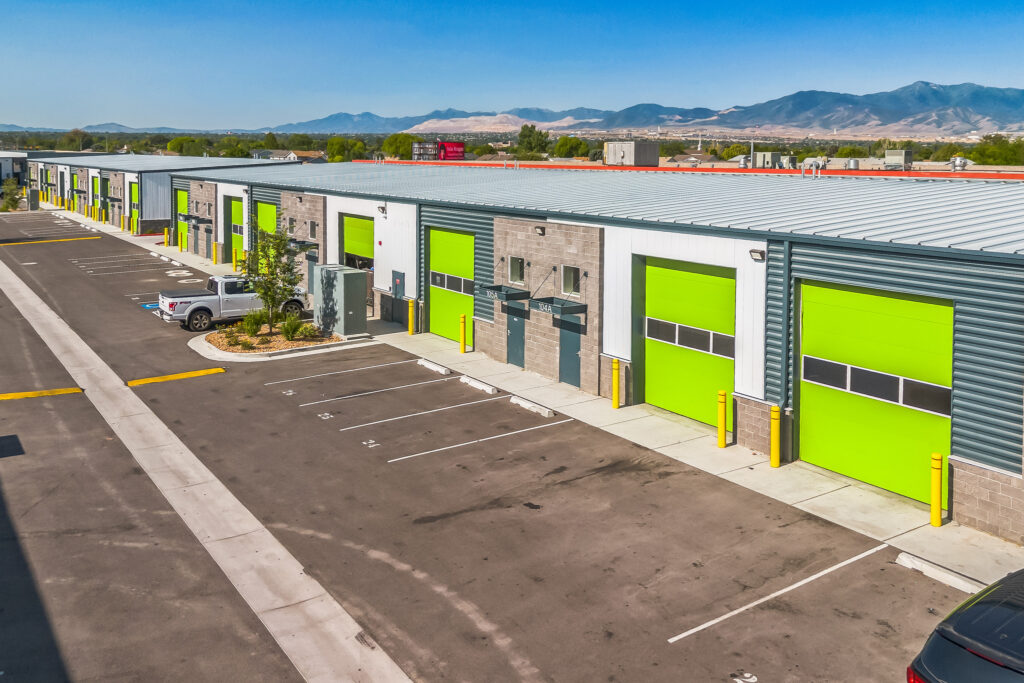
What an office and warehouse space looks like
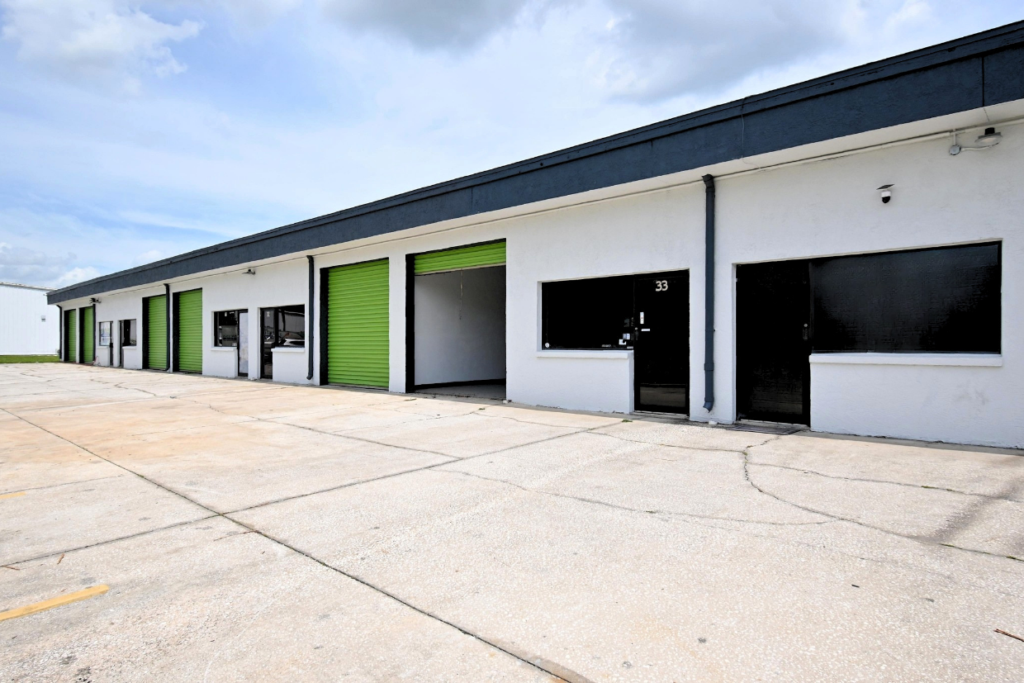
At our Melbourne park, select larger spaces combine an office area with warehouse room behind it, so the paperwork and the work happen in one building. Features differ from park to park and space to space, which is the main reason it’s worth touring more than one.
Ask These Seven Questions Before You Sign
Instead of opening with how much office space do I need, walk through a normal day and answer these.
1. What has to be stored?
If the list includes inventory, equipment, tools, supplies, or finished product, size that up before you decide how much room the desks get.
2. What arrives at your door?
Think about parcel deliveries, pallets, supplier drops, and equipment. A sharp looking office isn’t worth much if a routine delivery turns into a 20 minute problem.
3. What leaves every morning?
For a trades or service company, that’s crews, tools, materials, and vehicles. Your space should make that faster, not add another stop to the route.
4. Where does the actual work happen?
Some businesses live entirely on a laptop. Others pack boxes, build product, repair equipment, cut materials, or shoot photos of inventory. Those activities need floor space, not a corner.
5. Do customers really come to you?
If they visit constantly, a storefront or a polished office should get priority. If most of your work happens online, on job sites, or at a customer’s property, paying extra for a reception area is money spent on a room nobody sits in.
6. How much will this change in a year?
Your first space doesn’t have to be your last one. Ask what happens if inventory doubles, if you hire, or if you add a second service vehicle, and pick something that solves today’s problem without creating next spring’s.
7. Are you paying for square footage or for a smoother operation?
Rent by itself doesn’t tell you whether a space is expensive. A space that cuts loading time, consolidates inventory, gets equipment out of the house, and gives you room to take on bigger jobs earns its keep in ways the lease line doesn’t show.
Which Florida Option Fits You?
You work from a computer, rarely take business deliveries, hold almost no physical inventory, and nobody else needs to work beside you.
What you’re missing is a professional desk, reliable internet, a meeting room, and some separation from home life.
Your team spends the day at desks and clients come to your location often enough that the finish work pays for itself.
Your needs cross categories, and you want to set up the space around different parts of the business instead of one.
You need somewhere to work and somewhere for inventory, tools, packing, staging, deliveries, and the rest of daily operations.
There’s no universally best office. There’s only the space that takes the most friction out of the way your business runs.
A Better Fit for Florida Small Businesses
WorkBay is built for businesses that reached the point where a desk alone stopped being enough. Our Florida spaces are private small business warehouses with features like overhead or roll up door access, office options, water, lighting, and private bathrooms, and the exact mix varies by park and by space.
We run three Central Florida locations, which means you can compare a couple of them and figure out which one sits closest to your customers and your crew. If you’re earlier in the process, our guide on going from a spare bedroom to a warehouse covers the planning side of the move.
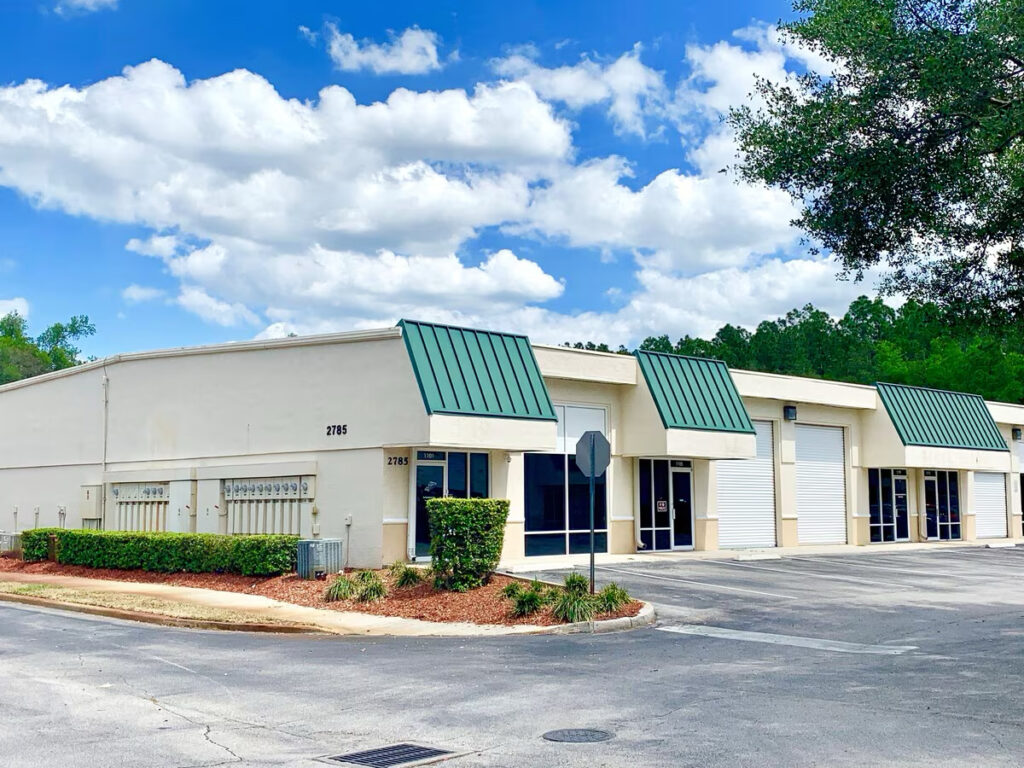
East Orlando, off SR 426 with quick access to SR 417. Practical small bay layouts for trades, light industrial, and storage users.
See Aloma
Minutes from I 95 in Melbourne’s industrial corridor. Select larger spaces blend office and warehouse under one roof.
See Dow Road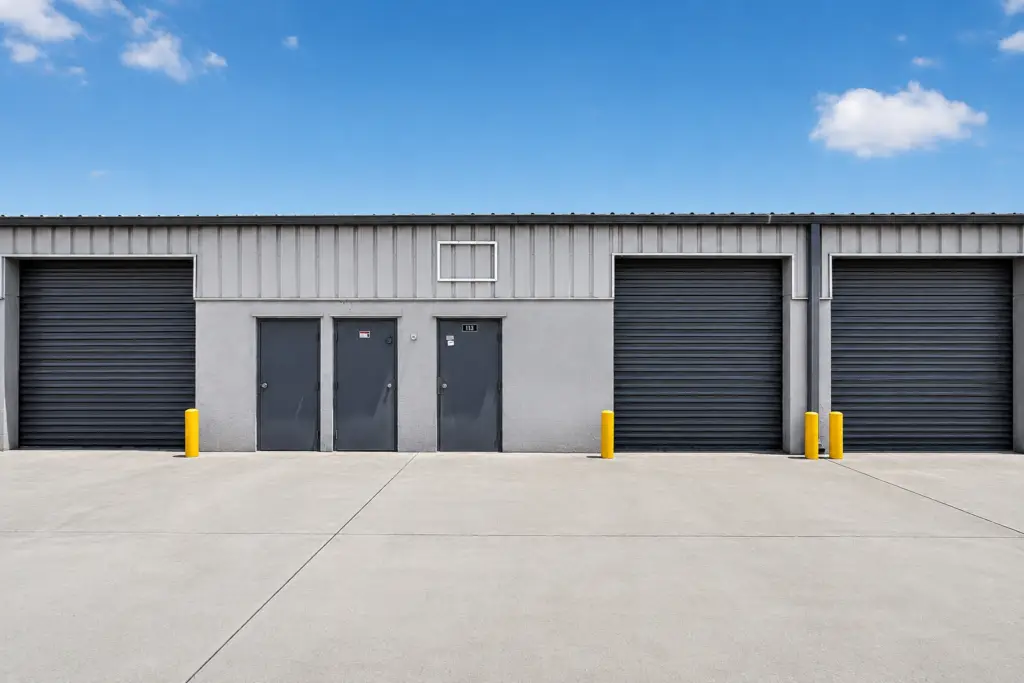
Renovated spaces with flexible office components, plus direct access to I 4 and SR 436 across the Orlando metro.
See LongwoodSee a Florida space in person
If your garage, your home office, or your current lease is making the work harder than it needs to be, compare our Florida locations and book a tour at the park closest to you.